What does Jeremiah 14:19 mean?
“Hast thou utterly rejected Judah? hath thy soul lothed Zion? why hast thou smitten us, and there is no healing for us? we looked for peace, and there is no good; and for the time of healing, and behold trouble!” — Jeremiah 14:19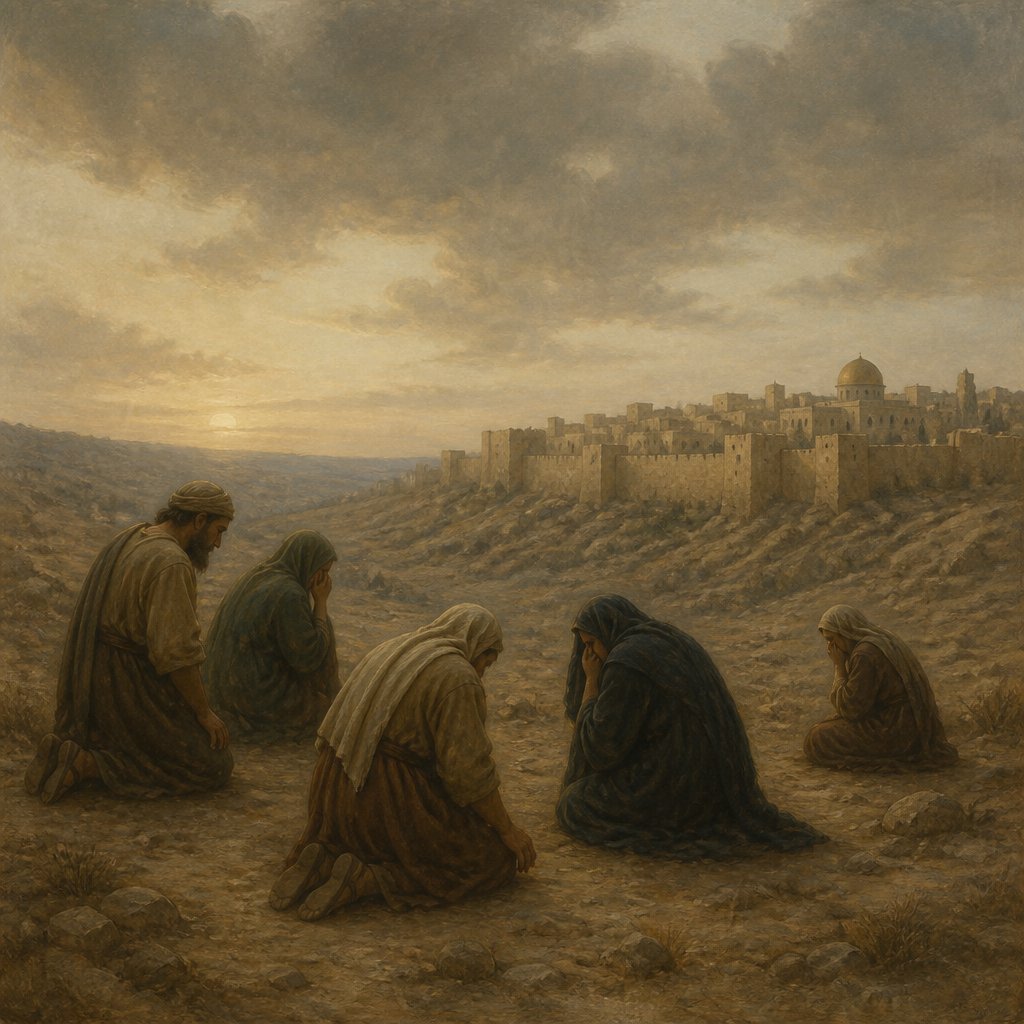
Jeremiah 14:19 (KJV) states, "Hast thou utterly rejected Judah? Hath thy soul loathed Zion? Why hast thou smitten us, and there is no healing for us? We looked for peace, and there is no good; and for the time of healing, and behold trouble!"
This verse is a poignant lamentation from the prophet Jeremiah, lamenting the rejection and suffering of Judah and Zion and questioning the reasons behind it. The verse reflects the deep sense of despair and hopelessness felt by the people of Judah at that time. As we delve into the context, themes, and symbolism of this verse, we can gain a deeper understanding of its significance and relevance.
Context:
Jeremiah was a prophet who ministered to the southern kingdom of Judah during a tumultuous period in its history. The people had turned away from God and embraced idolatry, wickedness, and social injustice. Jeremiah's prophecies warned of the impending judgment and destruction that would come upon the nation as a consequence of their disobedience. This verse is part of a larger passage where Jeremiah is interceding on behalf of the people and pleading with God to have mercy on them despite their sins.
Themes:
1. Rejection and Suffering: The verse expresses the feeling of abandonment and rejection that the people of Judah experienced. They felt as though God had turned His back on them, and they were suffering the consequences of their actions. This theme resonates with the human experience of feeling forsaken and seeking understanding in times of hardship.
2. Desperation and Hopelessness: The cry of "Why hast thou smitten us, and there is no healing for us?" reflects the desperation and hopelessness of the people. Despite their longing for peace and healing, they found themselves in the midst of trouble and affliction. This theme speaks to the universal struggle of seeking relief from suffering and finding no respite.
3. Search for Meaning and Purpose: The people of Judah sought to understand the reasons behind their suffering and questioned God's intentions. This theme delves into the existential quest for meaning and purpose in the face of adversity, as well as the attempt to reconcile faith with the harsh realities of life.
Symbolism:
1. Judah and Zion: Judah represents the southern kingdom of Israel, and Zion symbolizes the city of Jerusalem. These symbols are deeply rooted in the history and identity of the Jewish people, and their rejection and suffering carry profound significance in the broader context of biblical prophecy and redemption.
2. Healing and Peace: The longing for healing and peace symbolizes the innate human desire for restoration and tranquility. These symbols echo the spiritual and emotional yearning for wholeness and harmony, which are central themes in the Judeo-Christian tradition.
3. God's Judgment and Mercy: The verse reflects the tension between God's judgment on the nation for their sins and His capacity for mercy and compassion. This tension symbolizes the complex relationship between divine justice and grace, highlighting the dynamic interplay of God's attributes in response to human behavior.
In conclusion, Jeremiah 14:19 (KJV) encapsulates the profound anguish and existential questioning of the people of Judah in the face of rejection and suffering. The verse's themes of desperation, hopelessness, and the search for meaning resonate with the human experience of grappling with adversity and seeking understanding in the midst of turmoil. Its symbolism of Judah, Zion, healing, and peace adds layers of depth and relevance to the overarching narrative of God's covenant relationship with His people. As we contemplate this verse, we are invited to engage with its profound emotional and theological implications, prompting us to reflect on our own experiences of suffering, longing, and spiritual inquiry.
Get our apps


Artwork for Jeremiah 14:19
Jeremiah 14:19 - "Hast thou utterly rejected Judah? hath thy soul lothed Zion? why hast thou smitten us, and there is no healing for us? we looked for peace, and there is no good; and for the time of healing, and behold trouble!"
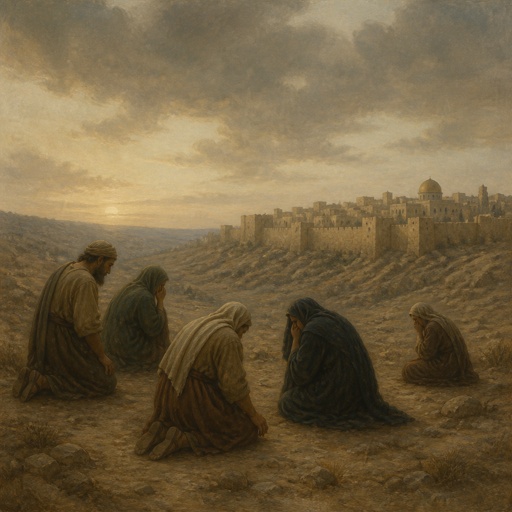
"Hast thou utterly rejected Judah? hath thy soul lothed Zion? why hast thou smitten us, and there is no healing for us? we looked for peace, and there is no good; and for the time of healing, and behold trouble!" - Jeremiah 14:19

Jeremiah 19:14 - "Then came Jeremiah from Tophet, whither the LORD had sent him to prophesy; and he stood in the court of the LORD'S house; and said to all the people,"
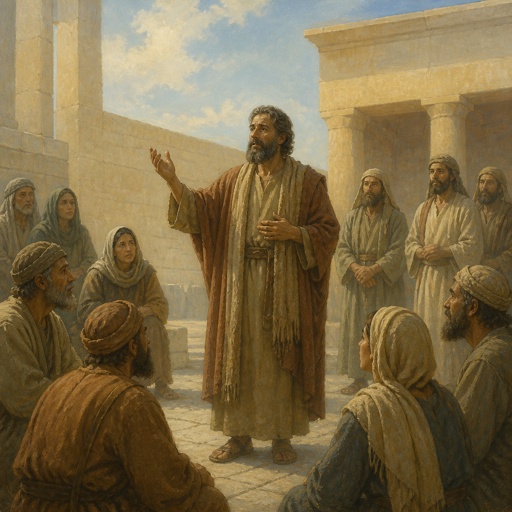
"Then came Jeremiah from Tophet, whither the LORD had sent him to prophesy; and he stood in the court of the LORD'S house; and said to all the people," - Jeremiah 19:14

Jeremiah 33:19 - "¶ And the word of the LORD came unto Jeremiah, saying,"

Jeremiah 14:1 - "The word of the LORD that came to Jeremiah concerning the dearth."

Jeremiah 37:14 - "Then said Jeremiah, It is false; I fall not away to the Chaldeans. But he hearkened not to him: so Irijah took Jeremiah, and brought him to the princes."

Jeremiah 36:19 - "Then said the princes unto Baruch, Go, hide thee, thou and Jeremiah; and let no man know where ye be."

"¶ And the word of the LORD came unto Jeremiah, saying," - Jeremiah 33:19

Jeremiah 29: 4-14

Jeremiah 29: 4-14

Jeremiah 29: 4-14

Jeremiah 29: 4-14

Jeremiah 29: 4-14

Numbers 19:14-19 Touching a dead is unclean

Jeremiah 38:19 - "And Zedekiah the king said unto Jeremiah, I am afraid of the Jews that are fallen to the Chaldeans, lest they deliver me into their hand, and they mock me."

Genesis 19-14

Psalm 19:14

"The word of the LORD that came to Jeremiah concerning the dearth." - Jeremiah 14:1

Jeremiah 38:14 - "¶ Then Zedekiah the king sent, and took Jeremiah the prophet unto him into the third entry that is in the house of the LORD: and the king said unto Jeremiah, I will ask thee a thing; hide nothing from me."

Jeremiah 19:10 - "Then shalt thou break the bottle in the sight of the men that go with thee,"

Jeremiah 14:11 - "Then said the LORD unto me, Pray not for this people for their good."

Jeremiah 18:19 - "Give heed to me, O LORD, and hearken to the voice of them that contend with me."

Jeremiah 25:19 - "Pharaoh king of Egypt, and his servants, and his princes, and all his people;"

Jeremiah 14:5 - "Yea, the hind also calved in the field, and forsook it, because there was no grass."

Jeremiah 48:14 - "¶ How say ye, We are mighty and strong men for the war?"

Jeremiah 22:19 - "He shall be buried with the burial of an ass, drawn and cast forth beyond the gates of Jerusalem."

Jeremiah 7:19 - "Do they provoke me to anger? saith the LORD: do they not provoke themselves to the confusion of their own faces?"

Proverbs 14:19 - "The evil bow before the good; and the wicked at the gates of the righteous."

Jeremiah 19:12 - "Thus will I do unto this place, saith the LORD, and to the inhabitants thereof, and even make this city as Tophet:"