What does Jeremiah 20:15 mean?
"Cursed be the man who brought tidings to my father, saying, A man child is born unto thee; making him very glad." - Jeremiah 20:15
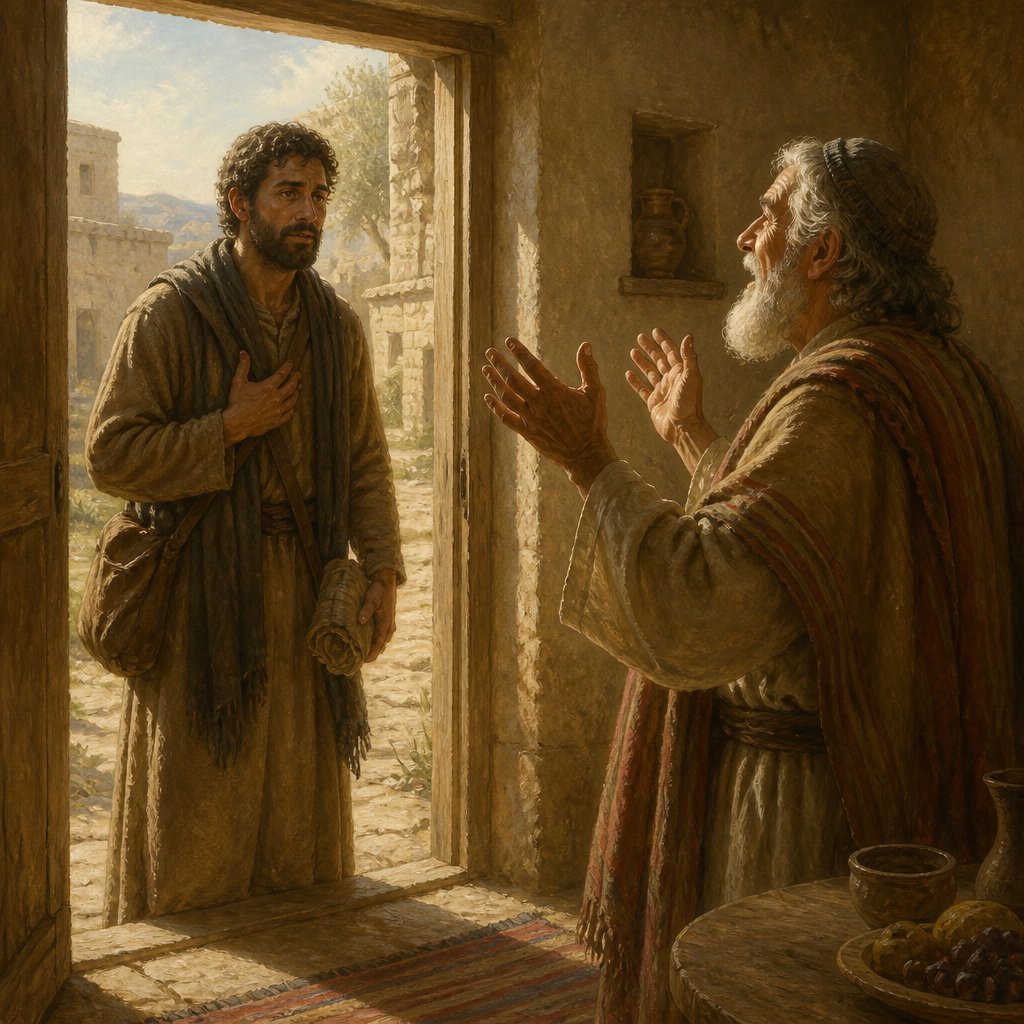
Jeremiah 20:15 in the King James Version reads, "Cursed be the man who brought tidings to my father, saying, A man child is born unto thee; making him very glad."
This verse is part of a lament from the prophet Jeremiah, who expresses his suffering and anguish over the message he has been called to deliver to the people of Israel. The context of this verse begins in Jeremiah 20:7, where the prophet laments the burden of his calling and the persecution he faces from those who reject his message. In verses 14-18, Jeremiah pours out his heart in raw, emotional language, expressing his wish that he had never been born and his desire for death to take him.
The specific verse, "Cursed be the man who brought tidings to my father, saying, A man child is born unto thee; making him very glad," reflects Jeremiah's deep sense of sorrow and hopelessness. It seems to be an expression of bitterness and resentment towards the joyous news of a birth, as it contrasts sharply with the overwhelming despair and suffering that Jeremiah is experiencing.
The themes present in this verse include suffering, anguish, and the prophet's deep sense of God's abandonment and rejection. Jeremiah's words express the inner turmoil of a man who feels utterly alone and misunderstood in his divine calling. He is cursing the messenger who brought good news to his father, which emphasizes his profound feelings of despair and bitterness.
The larger context of the book of Jeremiah further illuminates the meaning of this verse. Throughout the book, Jeremiah is depicted as a prophet who is called to deliver messages of impending judgment and destruction to the people of Israel due to their disobedience and idolatry. However, his messages are met with resistance, hostility, and persecution. Jeremiah becomes a symbol of the suffering servant who faithfully obeys God's call, even in the face of rejection and scorn from his own people.
The symbolism in this verse can be seen in the contrast between the joyous news of a birth and Jeremiah's deepest anguish and despair. The birth of a child is traditionally a cause for celebration and hope, yet in Jeremiah's lament, it becomes a source of bitterness and curse. This contrast highlights the stark reality of Jeremiah's suffering and the deep emotional toll of his prophetic calling.
From a broader theological perspective, this verse also points to the reality of suffering and the human experience of despair. It serves as a reminder that even the most faithful servants of God can experience profound anguish and feelings of abandonment. It also speaks to the struggles of those who are called to bear difficult messages and face rejection and persecution for their obedience to God.
In conclusion, Jeremiah 20:15 in the King James Version encapsulates the raw emotions and deep suffering of the prophet Jeremiah. It reflects his profound sense of despair and bitterness, as well as the contrast between hope and anguish. This verse serves as a powerful reminder of the human experience of suffering and the challenges faced by those called to bear difficult messages. It also points to the larger themes of faithfulness, obedience, and the sovereignty of God in the midst of human suffering.
Have questions about Jeremiah 20:15?
Dive deeper into this scripture with Bible Chat — an AI-powered tool for exploring God's Word through conversation. Ask questions, get context, and grow in your understanding of the Bible.
Get Our Apps


Jeremiah 20:15 Artwork

Jeremiah 20:15 - "Cursed be the man who brought tidings to my father, saying, A man child is born unto thee; making him very glad."
"Cursed be the man who brought tidings to my father, saying, A man child is born unto thee; making him very glad." - Jeremiah 20:15

Jeremiah 15:20 - "And I will make thee unto this people a fenced brasen wall: and they shall fight against thee, but they shall not prevail against thee: for I am with thee to save thee and to deliver thee, saith the LORD."

Jeremiah 20:4

Jeremiah 20:2 - "Then Pashur smote Jeremiah the prophet, and put him in the stocks that were in the high gate of Benjamin, which was by the house of the LORD."

Jeremiah 20:3 - "And it came to pass on the morrow, that Pashur brought forth Jeremiah out of the stocks. Then said Jeremiah unto him, The LORD hath not called thy name Pashur, but Magor-missabib."

Jeremiah 39:15 - "¶ Now the word of the LORD came unto Jeremiah, while he was shut up in the court of the prison, saying,"

Genesis 15:20

Genesis 20-15

Jeremiah 20:1 - "Now Pashur the son of Immer the priest, who was also chief governor in the house of the LORD, heard that Jeremiah prophesied these things."

Jeremiah 44:20 - "¶ Then Jeremiah said unto all the people, to the men, and to the women, and to all the people which had given him that answer, saying,"

Jeremiah 5:20 - "Declare this in the house of Jacob, and publish it in Judah, saying,"

Jeremiah 8:20 - "The harvest is past, the summer is ended, and we are not saved."

Jeremiah 16:20 - "Shall a man make gods unto himself, and they are no gods?"

Genesis 15:20 - "And the Hittites, and the Perizzites, and the Rephaims,"

Exodus 20:15 - "Thou shalt not steal."

Jeremiah 37:15 - "Wherefore the princes were wroth with Jeremiah, and smote him, and put him in prison in the house of Jonathan the scribe: for they had made that the prison."

Colossians 1:15-20

Colossians 1:15-20

Matthew 15 : 1-20

Jeremiah 15:12 - "Shall iron break the northern iron and the steel?"

Jeremiah 28:15 - "Then said the prophet Jeremiah unto Hananiah the prophet, Hear now, Hananiah; The LORD hath not sent thee; but thou makest this people to trust in a lie."

Jeremiah 26:20 - "And there was also a man that prophesied in the name of the LORD, Urijah the son of Shemaiah of Kirjath-jearim, who prophesied against this city and against this land according to all the words of Jeremiah:"

1 Samuel 28:15-20

Jeremiah 10:15 - "They are vanity, and the work of errors: in the time of their visitation they shall perish."

Jeremiah 46:20 - "Egypt is like a very fair heifer, but destruction cometh; it cometh out of the north."

Jeremiah 13:15 - "¶ Hear ye, and give ear; be not proud: for the LORD hath spoken."

Joshua 15:20 - "This is the inheritance of the tribe of the children of Judah according to their families."

Jeremiah 8:15 - "We looked for peace, but no good came; and for a time of health, and behold trouble!"

Jeremiah 4:15 - "For a voice declareth from Dan, and publisheth affliction from mount Ephraim."