What does Jeremiah 20:13 mean?
“Sing unto the LORD, praise ye the LORD: for he hath delivered the soul of the poor from the hand of evildoers.” — Jeremiah 20:13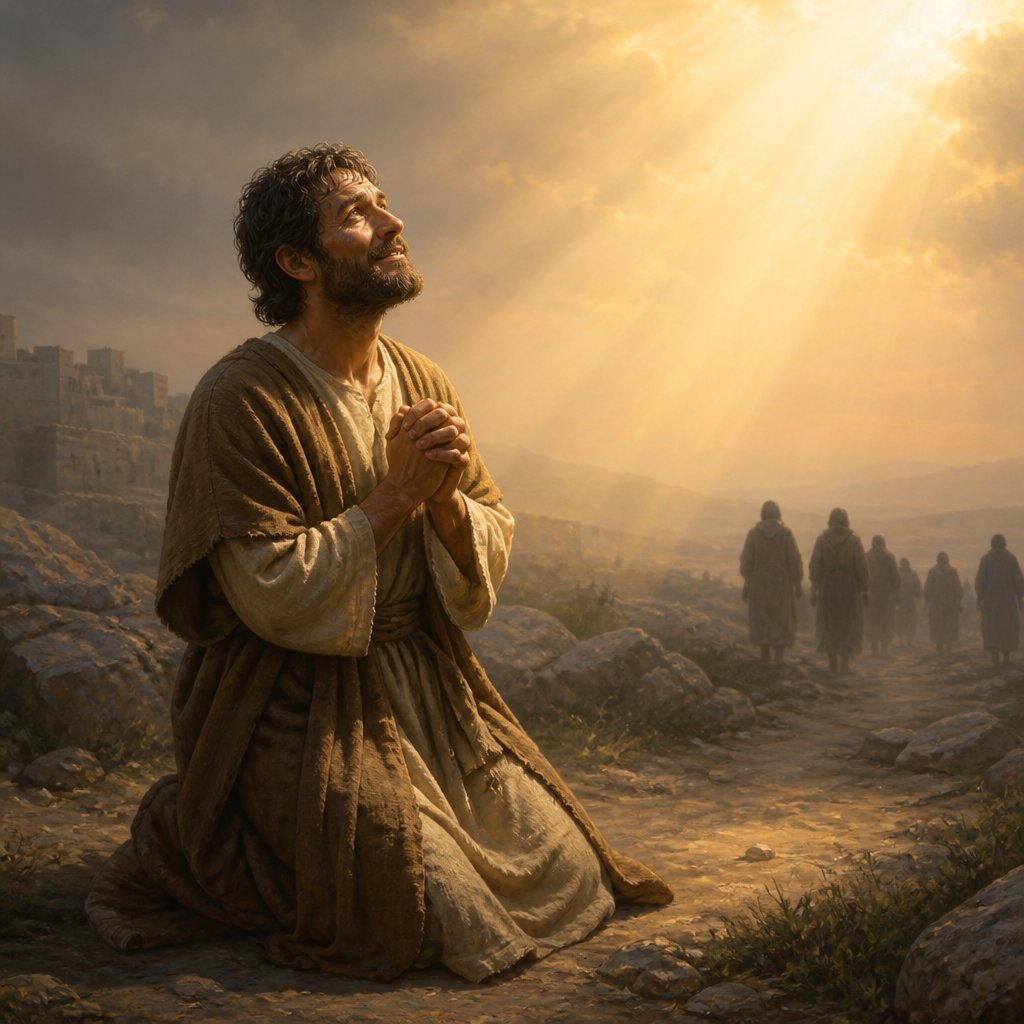
The Bible verse Jeremiah 20:13 from the King James Version (KJV) states, "Sing unto the Lord, praise ye the Lord: for he hath delivered the soul of the poor from the hand of evildoers." This verse serves as a powerful reminder of the deliverance and protection that the Lord provides for his people, especially the oppressed and marginalized.
To truly understand the depth of this verse, it is important to consider the context in which it was written. The book of Jeremiah is a prophetic text that highlights the struggles and suffering of the Israelites due to their disobedience to God. In this particular chapter, Jeremiah is lamenting the persecution and ridicule he faces for delivering God's message to the people. He is facing intense opposition and feels as though he has been made a mockery because of his commitment to God.
In the midst of this struggle, Jeremiah finds solace in the Lord's faithfulness and protection. He turns to praise and singing as a means of expressing gratitude for God's deliverance. This verse serves as a powerful declaration of the miraculous work that God does in rescuing the poor and oppressed from the hands of evildoers. It is a testament to God's unwavering love and mercy for those who are downtrodden and marginalized.
One of the key themes present in this verse is the concept of deliverance. The Israelites, like Jeremiah, were in need of deliverance from their oppressors. This verse serves as a reminder that God is the ultimate source of deliverance for those who are struggling. It encourages believers to turn to God in times of trouble, knowing that he has the power to rescue and protect them from harm.
Additionally, the theme of praise and thanksgiving is prevalent in this verse. Jeremiah's response to his struggles is to sing and praise the Lord. This act of worship and gratitude demonstrates faith and trust in God's ability to bring about deliverance. It serves as a model for believers to respond to their own challenges with praise and thanksgiving, knowing that God is in control and will work all things for their good.
The symbolism present in this verse is also significant. The act of singing and praising the Lord represents a shift in perspective. Despite the difficulties and hardships that Jeremiah faced, he chose to focus on the goodness and faithfulness of God. This act of praise symbolizes a heart of gratitude and trust in God's provision and protection. It serves as a powerful symbol of hope and encouragement for believers who may be facing their own trials and tribulations.
In conclusion, Jeremiah 20:13 from the KJV is a poignant and uplifting verse that highlights the deliverance and protection that God provides for his people. It serves as a reminder of the importance of turning to God in times of trouble and praising him for his faithfulness. This verse is a source of hope and encouragement for believers, as it demonstrates God's unwavering love for the oppressed and his ability to bring about deliverance. It serves as a powerful testament to the transformative power of God's love and mercy.
Get our apps


Artwork for Jeremiah 20:13

Jeremiah 20:13 - "Sing unto the LORD, praise ye the LORD: for he hath delivered the soul of the poor from the hand of evildoers."
"Sing unto the LORD, praise ye the LORD: for he hath delivered the soul of the poor from the hand of evildoers." - Jeremiah 20:13

Jeremiah 13:20 - "Lift up your eyes, and behold them that come from the north: where is the flock that was given thee, thy beautiful flock?"

Jeremiah 20:4

Jeremiah 38:13 - "So they drew up Jeremiah with cords, and took him up out of the dungeon: and Jeremiah remained in the court of the prison."

Jeremiah 29:11-13

Jeremiah 29:11-13

Jeremiah 29:11-13

Jeremiah 29:11-13

Jeremiah 13:23
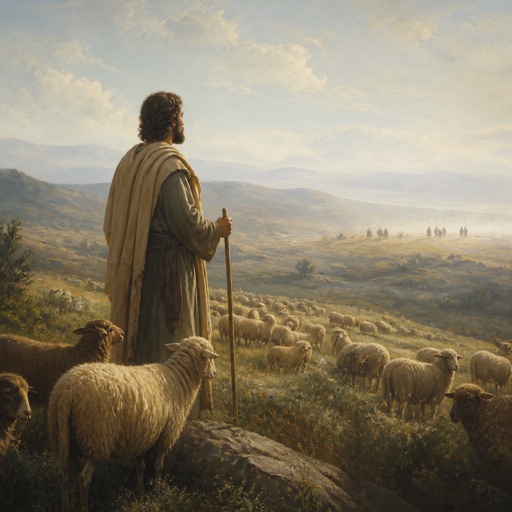
"Lift up your eyes, and behold them that come from the north: where is the flock that was given thee, thy beautiful flock?" - Jeremiah 13:20

Jeremiah 20:2 - "Then Pashur smote Jeremiah the prophet, and put him in the stocks that were in the high gate of Benjamin, which was by the house of the LORD."

Jeremiah 20:3 - "And it came to pass on the morrow, that Pashur brought forth Jeremiah out of the stocks. Then said Jeremiah unto him, The LORD hath not called thy name Pashur, but Magor-missabib."

Luke 13:20-21

Luke 13:20-21

Luke 13:20-21

Luke 13:20-21
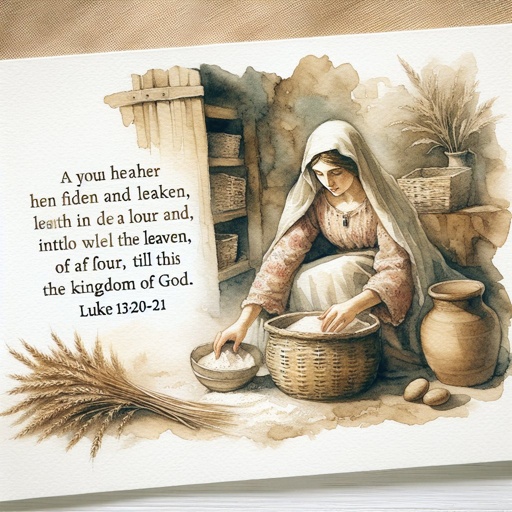
Luke 13:20-21

Jeremiah 20:1 - "Now Pashur the son of Immer the priest, who was also chief governor in the house of the LORD, heard that Jeremiah prophesied these things."

Jeremiah 44:20 - "¶ Then Jeremiah said unto all the people, to the men, and to the women, and to all the people which had given him that answer, saying,"

Jeremiah 5:20 - "Declare this in the house of Jacob, and publish it in Judah, saying,"

Jeremiah 8:20 - "The harvest is past, the summer is ended, and we are not saved."

hebrew 13:20

Genesis 20-13

Jeremiah 38:1–13

Jeremiah 16:20 - "Shall a man make gods unto himself, and they are no gods?"

Jeremiah 46:13 - "¶ The word that the LORD spake to Jeremiah the prophet, how Nebuchadrezzar king of Babylon should come and smite the land of Egypt."

1 Chronicles 12:13 - "Jeremiah the tenth, Machbanai the eleventh."

Exodus 20:13 - "Thou shalt not kill."

Jeremiah 26:20 - "And there was also a man that prophesied in the name of the LORD, Urijah the son of Shemaiah of Kirjath-jearim, who prophesied against this city and against this land according to all the words of Jeremiah:"