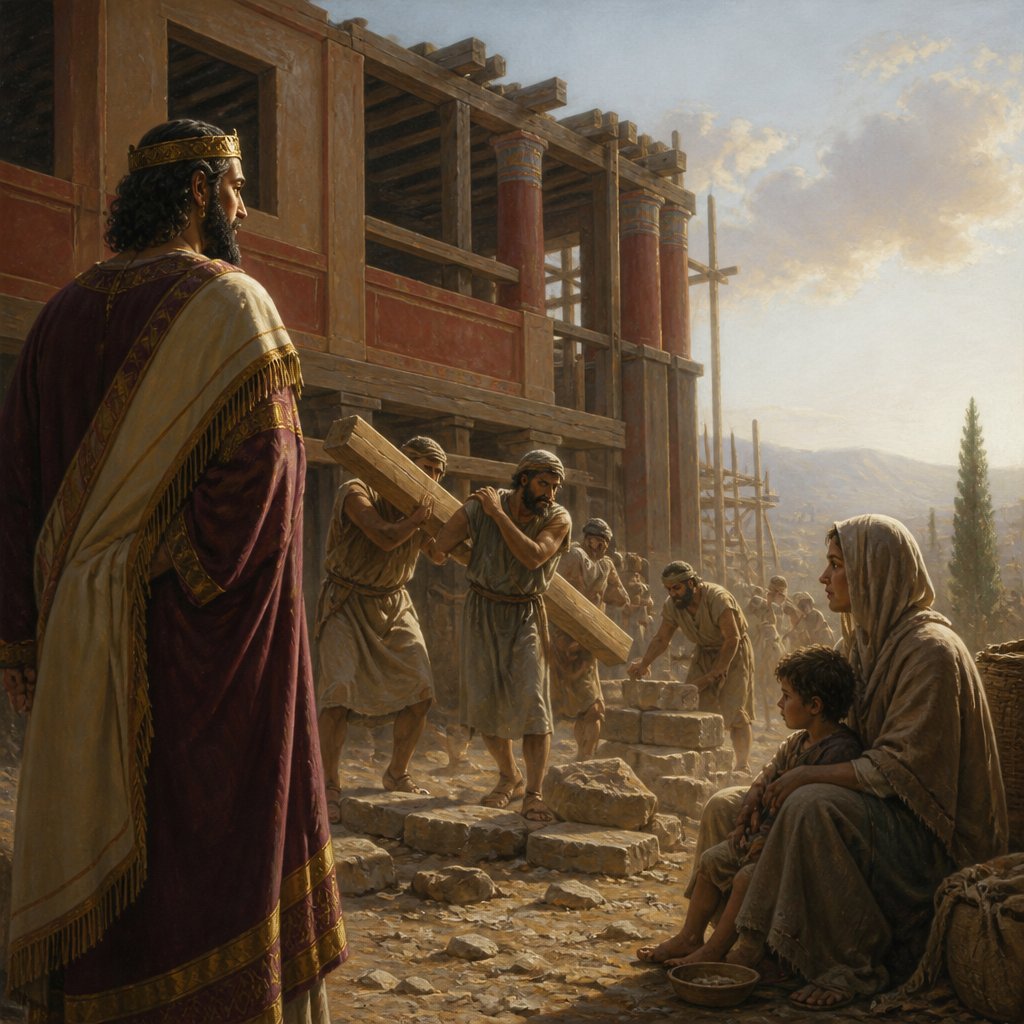
In Jeremiah 22:13-17, the King James Version of the Bible describes a scathing indictment of the selfish and unjust behavior of the rulers of Judah. This passage describes the sin of King Jehoiakim, who is portrayed as a corrupt and oppressive ruler who shamelessly abuses his power for personal gain. At its core, this passage serves as a warning to leaders about the consequences of neglecting their responsibilities and failing to act justly.
The passage begins with a vivid image of Jehoiakim, who is chastised for building his palace with stolen labor, refusing to pay wages to those who work for him, and taking advantage of his power and authority for his own personal aggrandizement. The "woe" pronounced upon Jehoiakim in verse 13 signifies impending destruction and judgment for his actions. This verse sets the tone for the rest of the passage, as it outlines the specific wrongdoings of the ruler and the severe consequences that will follow.
Verses 14 and 15 further emphasize the gravity of Jehoiakim's sins. He is rebuked for his excessive pursuit of wealth and luxury at the expense of his people. The passage highlights the unjust treatment of his subjects, who are forced to labor under oppressive conditions to build a grand palace for their king, only to be denied fair compensation for their work. This behavior stands in stark contrast to the biblical principles of compassion, fairness, and humility, and thus invites the impending judgment and punishment of God.
In verse 16, the passage shifts to a direct address to Jehoiakim, condemning his self-indulgence and lack of concern for the welfare of his people. The image of the king's father, Josiah, who is praised for defending the cause of the poor and needy, serves as a striking contrast to Jehoiakim's callous and exploitative behavior. Josiah is celebrated for embodying the attributes of justice and righteousness, which makes his son's behavior all the more reprehensible in the eyes of God.
Finally, in verse 17, the passage concludes with a warning of the impending judgment that will befall Jehoiakim and his kingdom as a result of his sinful actions. God's righteous anger is kindled against him, and he is warned that he will not be given a proper burial, but rather will be cast out and left to the mercy of the elements. This harsh pronouncement underscores the severity of Jehoiakim's offenses and serves as a powerful reminder of the consequences of failing to uphold the values of justice and righteousness.
Overall, this passage from the book of Jeremiah serves as a timeless admonition against the abuses of power and the neglect of social responsibility. It speaks to the perennial moral and ethical challenges faced by leaders and individuals in positions of authority, emphasizing the importance of humility, compassion, fairness, and integrity. Additionally, in its historical context, this passage reflects the social and political turmoil of ancient Judah, offering a sobering reflection on the consequences of societal injustice and moral decay.
The symbolism of the king's lavish palace built with ill-gotten gains and the mistreatment of laborers serves as a powerful metaphor for the corrupt and exploitative nature of power unchecked by righteousness. Ultimately, this passage carries a universal message about the importance of upholding justice and compassion, and the dire consequences of failing to do so. It serves as a timeless reminder of the principles of fairness and righteousness that are fundamental to the Judeo-Christian worldview.
Get our apps


Artwork for Jeremiah 22:13-17
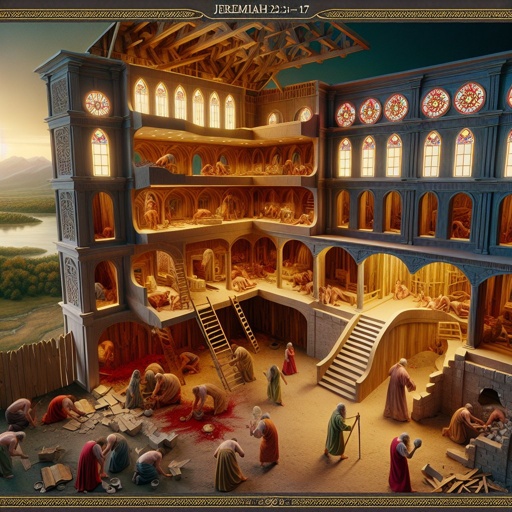
Jeremiah 22:13-17 - "Woe unto him that buildeth his house by unrighteousness, and his chambers by wrong; that useth his neighbour's service without wages, and giveth him not for his work; That saith, I will build me a wide house and large chambers, and cutteth him out windows; and it is ceiled with cedar, and painted with vermilion. Shalt thou reign, because thou closest thyself in cedar? did not thy father eat and drink, and do judgment and justice, and then it was well with him? He judged the cause of the poor and needy; then it was well with him: was not this to know me? saith the Lord. But thine eyes and thine heart are not but for thy covetousness, and for to shed innocent blood, and for oppression, and for violence, to do it."
"Woe unto him that buildeth his house by unrighteousness, and his chambers by wrong; that useth his neighbour's service without wages, and giveth him not for his work; That saith, I will build me a wide house and large chambers, and cutteth him out windows; and it is ceiled with cedar, and painted with vermilion. Shalt thou reign, because thou closest thyself in cedar? did not thy father eat and drink, and do judgment and justice, and then it was well with him? He judged the cause of the poor and needy; then it was well with him: was not this to know me? saith the Lord. But thine eyes and thine heart are not but for thy covetousness, and for to shed innocent blood, and for oppression, and for violence, to do it." - Jeremiah 22:13-17

Jeremiah 22:17 - "But thine eyes and thine heart are not but for thy covetousness, and for to shed innocent blood, and for oppression, and for violence, to do it."
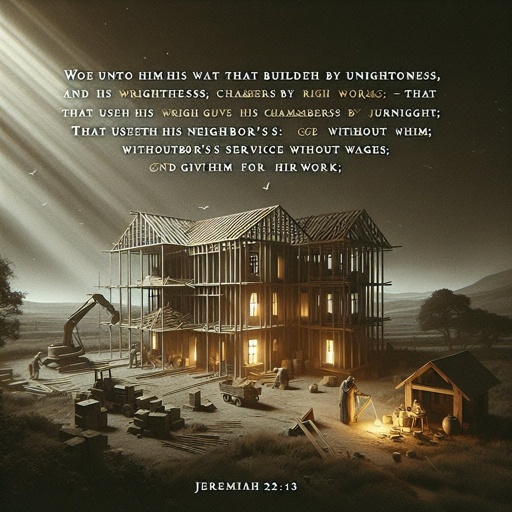
Jeremiah 22:13 - "¶ Woe unto him that buildeth his house by unrighteousness, and his chambers by wrong; that useth his neighbour's service without wages, and giveth him not for his work;"
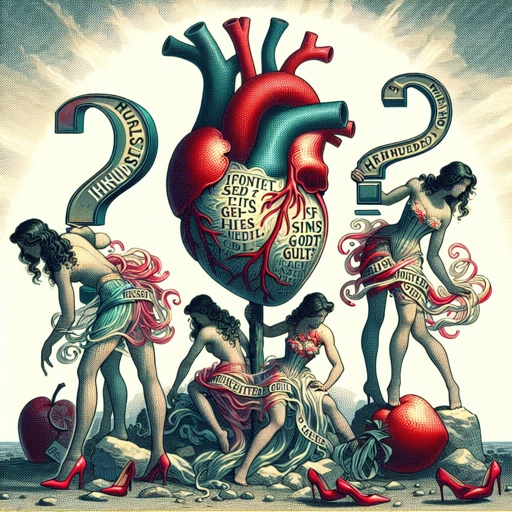
Jeremiah 13:22 - "¶ And if thou say in thine heart, Wherefore come these things upon me? For the greatness of thine iniquity are thy skirts discovered, and thy heels made bare."

Jeremiah 17:22 - "Neither carry forth a burden out of your houses on the sabbath day, neither do ye any work, but hallow ye the sabbath day, as I commanded your fathers."

Jeremiah 17:13 - "O LORD, the hope of Israel, all that forsake thee shall be ashamed, and they that depart from me shall be written in the earth, because they have forsaken the LORD, the fountain of living waters."
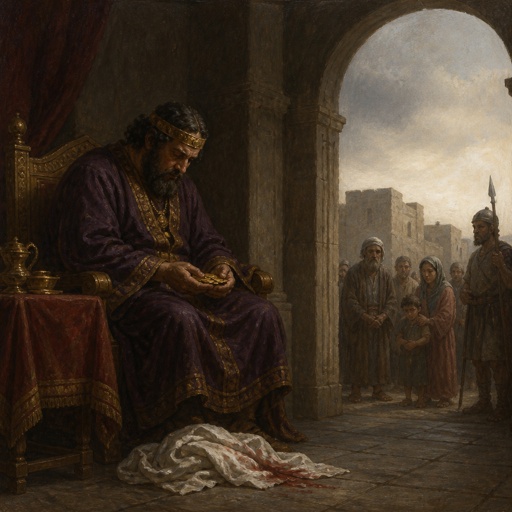
"But thine eyes and thine heart are not but for thy covetousness, and for to shed innocent blood, and for oppression, and for violence, to do it." - Jeremiah 22:17

Jeremiah 13:17 - "But if ye will not hear it, my soul shall weep in secret places for your pride; and mine eye shall weep sore, and run down with tears, because the LORD'S flock is carried away captive."

Jehoiachin in Jeremiah 22:22-30
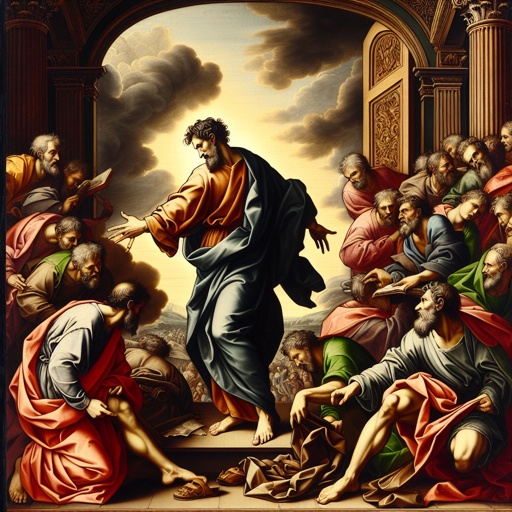
Jeremiah 13:22 And if you say in your heart, "Why have these things come upon me?" For the greatness of your iniquity Your skirts have been uncovered, Your heels made bare.
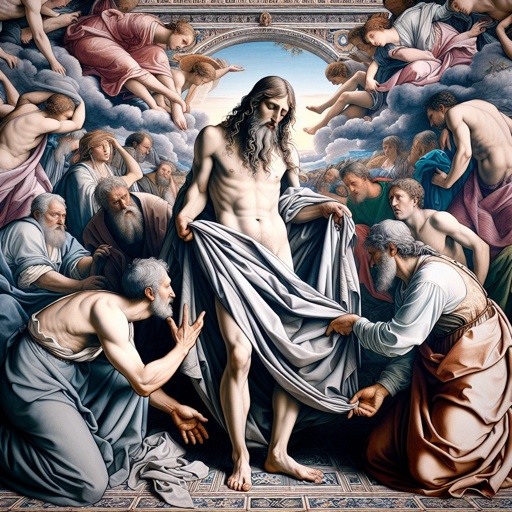
Jeremiah 13:22 And if you say in your heart, "Why have these things come upon me?" For the greatness of your iniquity Your skirts have been uncovered, Your heels made bare.

Jeremiah 17:17 - "Be not a terror unto me: thou art my hope in the day of evil."

Jeremiah 13:17 But if you will not hear it, My soul will weep in secret for your pride; My eyes will weep bitterly And run down with tears, Because the Lord's flock has been taken captive.

Jeremiah 38:13 - "So they drew up Jeremiah with cords, and took him up out of the dungeon: and Jeremiah remained in the court of the prison."
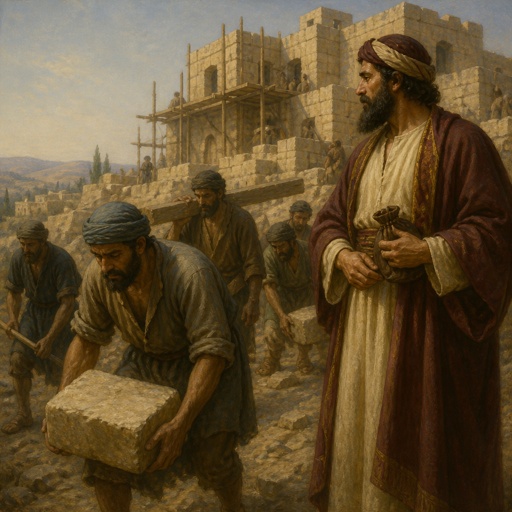
"¶ Woe unto him that buildeth his house by unrighteousness, and his chambers by wrong; that useth his neighbour's service without wages, and giveth him not for his work;" - Jeremiah 22:13

Jeremiah 29:11-13

Jeremiah 29:11-13

Jeremiah 29:11-13

Jeremiah 29:11-13

Genesis 17-22

Genesis 22-17

Jeremiah 17:7-8

Jeremiah 13:23

Jeremiah 17:7-8

Jeremiah 17:7-8

Jeremiah 17:7-8

Jeremiah 50:22 - "A sound of battle is in the land, and of great destruction."

Leviticus 23:17-22

James 1:17-22