What does Jeremiah 29:1 mean?
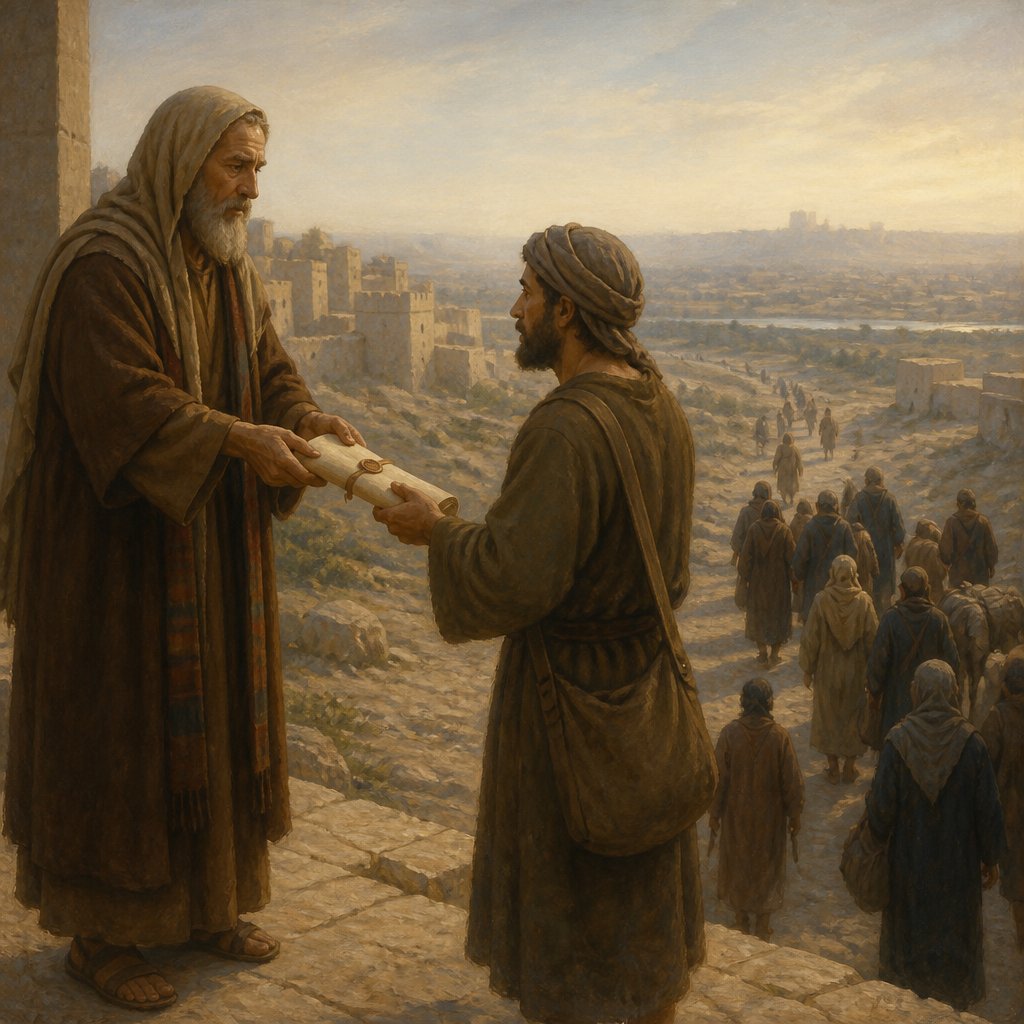
"Now these are the words of the letter that Jeremiah the prophet sent from Jerusalem unto the residue of the elders which were carried away captives, and to the priests, and to the prophets, and to all the people whom Nebuchadnezzar had carried away captive from Jerusalem to Babylon;" - Jeremiah 29:1
The verse Jeremiah 29:11 from the King James Version (KJV) of the Bible reads, "For I know the thoughts that I think toward you, saith the Lord, thoughts of peace, and not of evil, to give you an expected end." This is a verse that is filled with hope, promise, and comfort. It is often quoted to provide encouragement during times of struggle or uncertainty.
The verse comes from a letter that the prophet Jeremiah wrote to the Jewish exiles who had been taken from Jerusalem to Babylon by King Nebuchadnezzar. The context of the verse is important for understanding its significance. The exiles were facing a difficult and uncertain future in a foreign land, far away from their homes. They were likely feeling abandoned and hopeless, wondering what would become of them. In the midst of their despair, Jeremiah offers them a message of hope and reassurance from the Lord.
The verse begins with the phrase, "For I know the thoughts that I think toward you, saith the Lord." This communicates the idea that God is intimately aware of the plight of the exiles. He knows their circumstances, their struggles, and their fears. This is a comforting reminder that even in the midst of our darkest moments, God is fully aware of what we are going through. He is not distant or indifferent to our suffering, but is actively involved in our lives.
The verse goes on to say, "thoughts of peace, and not of evil, to give you an expected end." This is a powerful declaration of God's intentions towards His people. Despite their current hardships, God has plans for their future that are filled with peace, goodness, and hope. This is a reminder that even in the midst of difficult circumstances, God's ultimate purposes for His people are positive and life-giving.
The phrase "to give you an expected end" is particularly significant. It suggests that God has a plan and a future in store for His people. This is a message of hope and assurance, reminding the exiles that their current situation is not the end of the story. God has a purpose and a destiny for them that will ultimately bring about their well-being and flourishing.
One of the key themes of this verse is the faithfulness of God. It emphasizes that even in the midst of trials and tribulations, God remains faithful to His people. His plans for them are rooted in His love and compassion, and He is committed to bringing about their welfare and prosperity. This serves as a source of comfort and encouragement for believers, reminding them that they can trust in God's faithfulness even in the most challenging circumstances.
Another important theme in this verse is the sovereignty of God. It highlights the fact that God is in control of all things, even when it may seem like the world is spinning out of control. The exiles were in a foreign land, far from their homes and feeling uncertain about their future. Yet, this verse reassures them that God is still in control and has a plan for their lives. This serves as a reminder that no matter what we may be facing, God is ultimately in charge and working all things together for our good.
The verse also carries a message of hope and encouragement. It reminds believers that even in the midst of hardship, God has plans for their welfare and not for harm. This serves as a source of comfort and strength, especially during times when it may be difficult to see a way forward.
In terms of symbolism, the verse can be seen as a representation of God's care and concern for His people. It serves as a reminder that even in the most difficult and trying times, God has a plan and a future in store for His followers. It symbolizes the hope and reassurance that comes from knowing that God's intentions towards His people are always good and filled with peace.
In conclusion, Jeremiah 29:11 from the King James Version of the Bible is a powerful and encouraging verse that offers hope and reassurance to believers. It reminds us of God's faithfulness, sovereignty, and the positive future He has in store for His people. This verse continues to provide comfort and strength to those who may be facing challenging circumstances, serving as a reminder that God is always working for our good.
Have questions about Jeremiah 29:1?
Dive deeper into this scripture with Bible Chat — an AI-powered tool for exploring God's Word through conversation. Ask questions, get context, and grow in your understanding of the Bible.
Get Our Apps


Jeremiah 29:1 Artwork

Jeremiah 29:1 - "Now these are the words of the letter that Jeremiah the prophet sent from Jerusalem unto the residue of the elders which were carried away captives, and to the priests, and to the prophets, and to all the people whom Nebuchadnezzar had carried away captive from Jerusalem to Babylon;"
"Now these are the words of the letter that Jeremiah the prophet sent from Jerusalem unto the residue of the elders which were carried away captives, and to the priests, and to the prophets, and to all the people whom Nebuchadnezzar had carried away captive from Jerusalem to Babylon;" - Jeremiah 29:1

Jeremiah 29:11

Jeremiah 29: 4-14

Jeremiah 29: 4-14

Jeremiah 29: 4-14

Jeremiah 29: 4-14

Jeremiah 29: 4-14

Jeremiah 29:29 - "And Zephaniah the priest read this letter in the ears of Jeremiah the prophet."
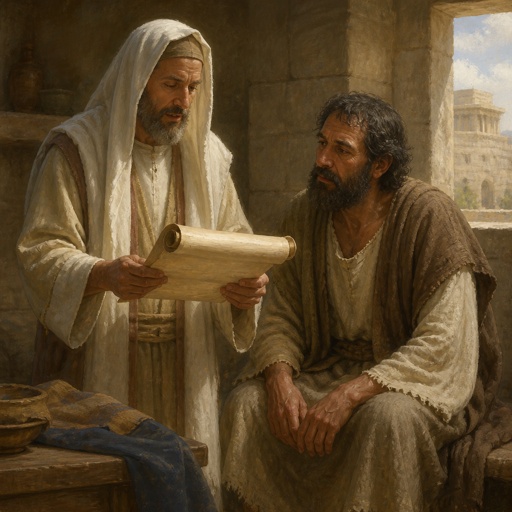
"And Zephaniah the priest read this letter in the ears of Jeremiah the prophet." - Jeremiah 29:29

Jeremiah 29:30 - "¶ Then came the word of the LORD unto Jeremiah, saying,"

Jeremiah 29:11-13

Jeremiah 29:11-13

Jeremiah 29:11-13

Jeremiah 29:11-13

Jeremiah 29:11

Jeremiah 29:11

Jeremiah 29:11

Jeremiah 29:27 - "Now therefore why hast thou not reproved Jeremiah of Anathoth, which maketh himself a prophet to you?"

"¶ Then came the word of the LORD unto Jeremiah, saying," - Jeremiah 29:30

Jeremiah 29:11 sticker elements

Jeremiah 22:29 - "O earth, earth, earth, hear the word of the LORD."

Jeremiah 29:24 - "¶ Thus shalt thou also speak to Shemaiah the Nehelamite, saying,"

Jeremiah 29:5 - "¶ Build ye houses, and dwell in them; and plant gardens, and eat the fruit of them;"

Jeremiah 23:29 - "Is not my word like as a fire? saith the LORD; and like a hammer that breaketh the rock in pieces?"

Jeremiah 5:29 - "Shall I not visit for these things? saith the LORD: shall not my soul be avenged on such a nation as this?"
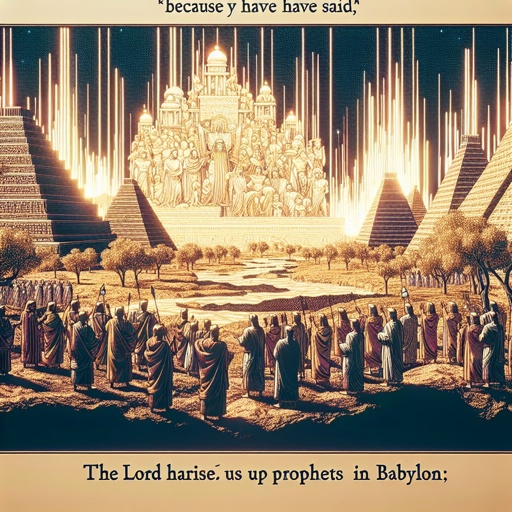
Jeremiah 29:15 - "¶ Because ye have said, The LORD hath raised us up prophets in Babylon;"

Jeremiah 6:29 - "The bellows are burned, the lead is consumed of the fire; the founder melteth in vain: for the wicked are not plucked away."

Jeremiah 29:11-13 building a healthy relationship with yourself

Building a healthy relationship with yourself Jeremiah 29:11-13