What does Jeremiah 29:2 mean?
"( After that Jeconiah the king, and the queen, and the eunuchs, the princes of Judah and Jerusalem, and the carpenters, and the smiths, were departed from Jerusalem;)" - Jeremiah 29:2
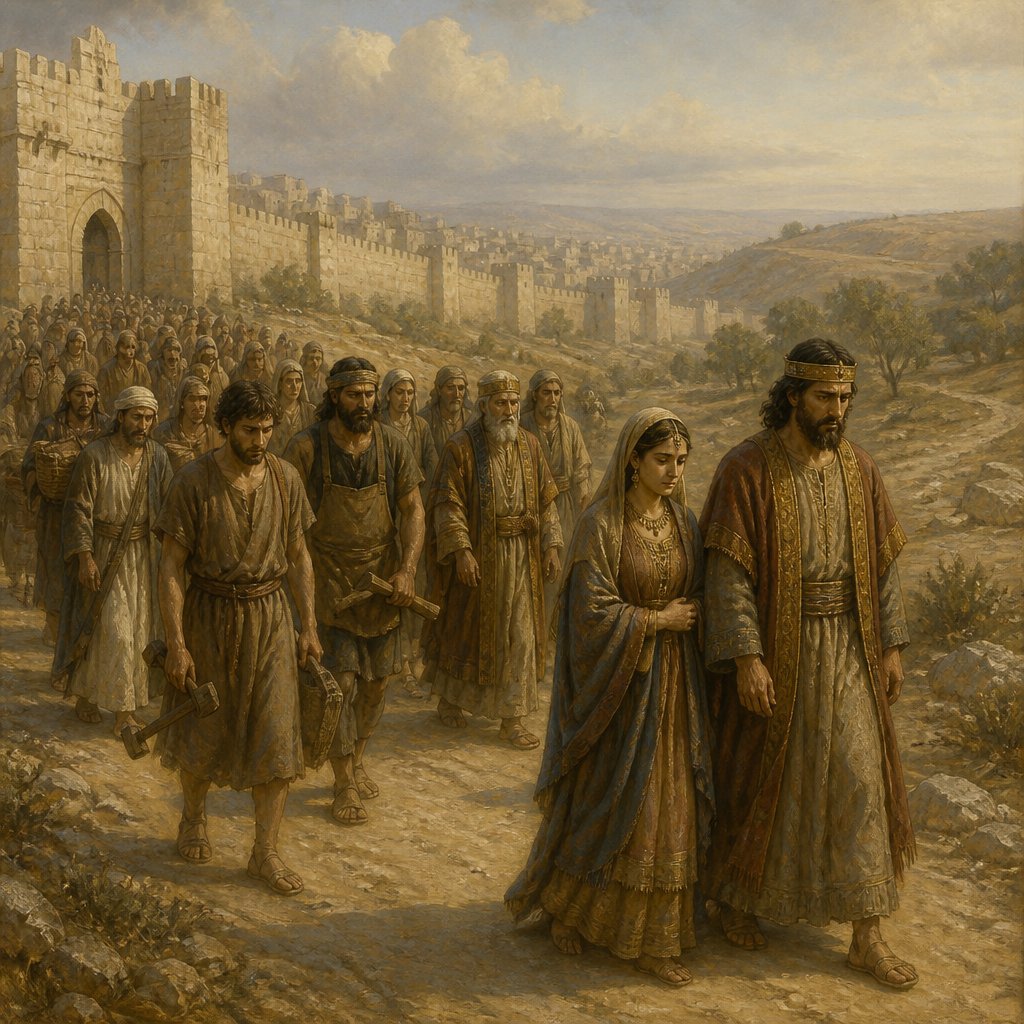
The verse Jeremiah 29:2 from the King James Version (KJV) reads, "After that Jeconiah the king, and the queen, and the eunuchs, the princes of Judah and Jerusalem, and the carpenters, and the smiths, were departed from Jerusalem." This verse is found in the book of Jeremiah, which is a prophetic book in the Old Testament, and it is part of a letter sent by the prophet Jeremiah to the Jewish exiles in Babylon.
To understand the full meaning and context of this verse, it is important to look at the historical and cultural background. The Jewish people had been taken into captivity by the Babylonians and were living in a foreign land. The letter from Jeremiah was written to provide guidance and encouragement to the exiles, and it contained instructions from God on how they should live in Babylon. The verse in question is part of the introductory description of the people who were present when the letter was sent.
The mention of King Jeconiah, the queen, the eunuchs, the princes of Judah and Jerusalem, as well as the carpenters and the smiths, serves to provide a comprehensive list of those who were present in Jerusalem before the exile. The inclusion of the different classes of people – from the royalty to the craftsmen – reflects the diverse nature of the Jewish community at that time.
One theme that can be drawn from this verse is the theme of exile and displacement. The fact that the Jewish people were living in Babylon as exiles is a central theme in the book of Jeremiah. The prophet addresses the challenges of living in a foreign land and the longing for home. This verse serves as a reminder of the difficult circumstances that the Jewish people were facing and the importance of seeking God's guidance and provision in the midst of displacement.
Additionally, the mention of the carpenters and the smiths in the verse also symbolizes the importance of work and craftsmanship. These individuals were skilled laborers who played a crucial role in the community, and their inclusion in the list of those present highlights the diversity of talents and abilities within the Jewish community. This serves as a reminder that even in exile, the people had skills and gifts that could be used to contribute to their new surroundings.
The mention of the king, the queen, and the princes also reflects the leadership and authority within the Jewish community. Despite their exile, the hierarchical structure of the society was still present, and the verse indicates that these individuals were significant figures in the community. This reinforces the idea that even in a foreign land, the Jewish people were organized and had leaders who could provide guidance and direction.
In conclusion, Jeremiah 29:2 from the King James Version (KJV) is a verse that captures the historical and cultural context of the exile of the Jewish people in Babylon. It serves as a reminder of the challenges of displacement, the diversity of talents within the community, and the continued presence of leadership and authority. This verse is part of a larger letter that provides guidance and encouragement to the exiles, and it emphasizes the importance of seeking God's guidance and provision in the midst of difficult circumstances.
Have questions about Jeremiah 29:2?
Dive deeper into this scripture with Bible Chat — an AI-powered tool for exploring God's Word through conversation. Ask questions, get context, and grow in your understanding of the Bible.
Get Our Apps


Jeremiah 29:2 Artwork

Jeremiah 29:2 - "(After that Jeconiah the king, and the queen, and the eunuchs, the princes of Judah and Jerusalem, and the carpenters, and the smiths, were departed from Jerusalem;)"
"(After that Jeconiah the king, and the queen, and the eunuchs, the princes of Judah and Jerusalem, and the carpenters, and the smiths, were departed from Jerusalem;)" - Jeremiah 29:2

Jeremiah 29:29 - "And Zephaniah the priest read this letter in the ears of Jeremiah the prophet."

Jeremiah 2:29 - "Wherefore will ye plead with me? ye all have transgressed against me, saith the LORD."
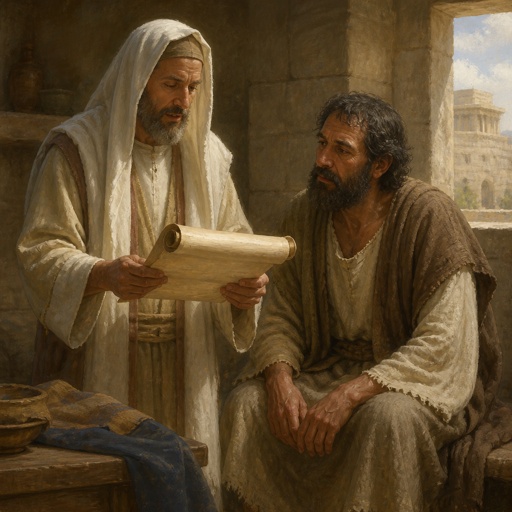
"And Zephaniah the priest read this letter in the ears of Jeremiah the prophet." - Jeremiah 29:29

Jeremiah 29:30 - "¶ Then came the word of the LORD unto Jeremiah, saying,"

Jeremiah 29:11-13

Jeremiah 29:11-13

Jeremiah 29:11-13

Jeremiah 29:11-13

Jeremiah 29:11

Jeremiah 29:11

Jeremiah 29:11

Jeremiah 29:11

Jeremiah 29: 4-14

Jeremiah 29: 4-14

Jeremiah 29: 4-14

Jeremiah 29: 4-14

Jeremiah 29: 4-14

Jeremiah 29:27 - "Now therefore why hast thou not reproved Jeremiah of Anathoth, which maketh himself a prophet to you?"

"¶ Then came the word of the LORD unto Jeremiah, saying," - Jeremiah 29:30

Jeremiah 29:11 sticker elements
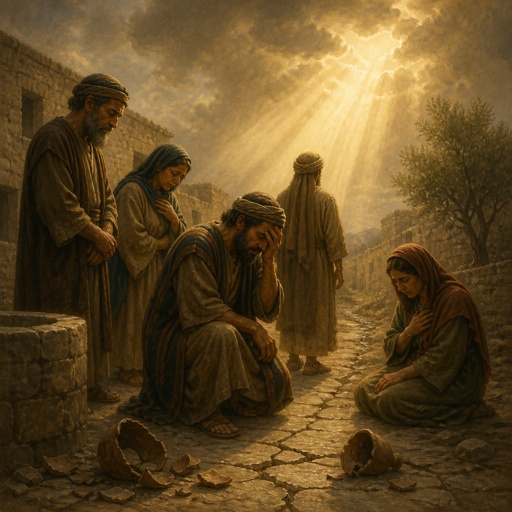
"Wherefore will ye plead with me? ye all have transgressed against me, saith the LORD." - Jeremiah 2:29

Jeremiah 22:29 - "O earth, earth, earth, hear the word of the LORD."

Jeremiah 29:24 - "¶ Thus shalt thou also speak to Shemaiah the Nehelamite, saying,"

Jeremiah 29:5 - "¶ Build ye houses, and dwell in them; and plant gardens, and eat the fruit of them;"

Jeremiah 23:29 - "Is not my word like as a fire? saith the LORD; and like a hammer that breaketh the rock in pieces?"

Jeremiah 5:29 - "Shall I not visit for these things? saith the LORD: shall not my soul be avenged on such a nation as this?"
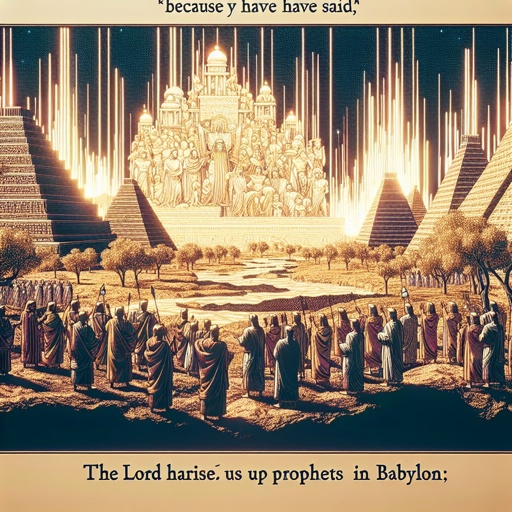
Jeremiah 29:15 - "¶ Because ye have said, The LORD hath raised us up prophets in Babylon;"

Jeremiah 6:29 - "The bellows are burned, the lead is consumed of the fire; the founder melteth in vain: for the wicked are not plucked away."