What does Jeremiah 37:2 mean?
“But neither he, nor his servants, nor the people of the land, did hearken unto the words of the LORD, which he spake by the prophet Jeremiah.” — Jeremiah 37:2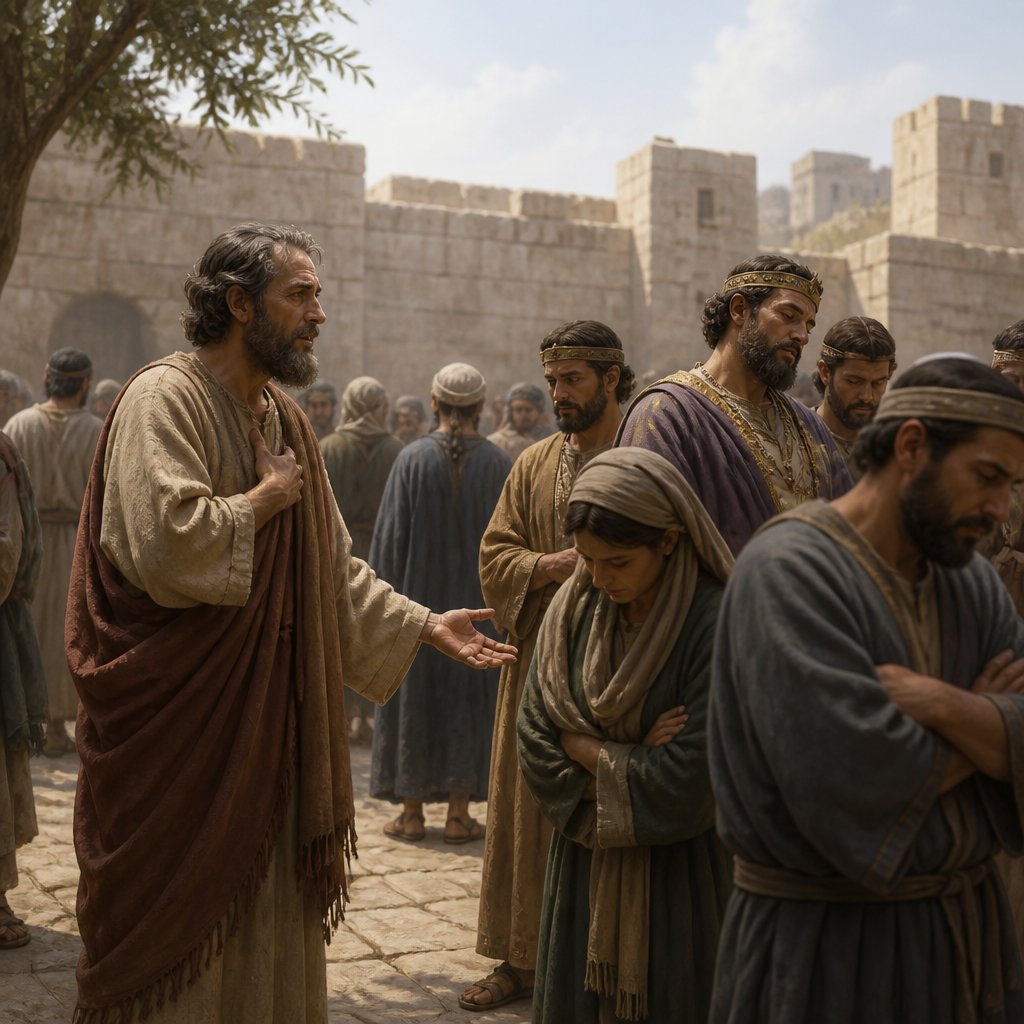
Jeremiah 37:2 in the King James Version of the Bible states, "But neither he, nor his servants, nor the people of the land, did hearken unto the words of the Lord, which he spake by the prophet Jeremiah."
This verse comes from the book of Jeremiah, which is a prophetic book in the Old Testament. The book is named after its author, Jeremiah, who was a prophet during the late seventh and early sixth centuries BC. He lived during a time of great upheaval and turmoil in the history of Israel, and his prophecies reflect this tumultuous period.
The specific verse refers to King Zedekiah of Judah, a descendant of King David, who reigned during a time when Judah was under the rule of the Babylonian Empire. Jeremiah had been warning the people of Judah about the impending destruction of their nation due to their disobedience to God and their idolatry. However, despite Jeremiah's warnings, neither King Zedekiah, nor his officials, nor the general populace paid heed to the prophet's message.
This verse reflects a common theme throughout the book of Jeremiah, which is the rejection of God's word and the consequences that follow. The people of Judah had turned away from Yahweh, the God of Israel, and had embraced false gods and sinful practices. As a result, God had pronounced judgment on the nation, and Jeremiah was tasked with delivering this message to the people and their leaders.
The rejection of Jeremiah's message by King Zedekiah and the people of Judah is symbolic of the stubbornness and rebellion of the human heart. Despite being warned of the impending judgment, they refused to repent and turn back to God. This theme of disobedience and its consequences is a recurring motif in the Bible, illustrating the fallen nature of humanity and the need for redemption and reconciliation with God.
The rejection of God's word also points to the larger context of the biblical narrative. Throughout the Old Testament, the people of Israel repeatedly turned away from God and His commandments, leading to dire consequences such as exile, captivity, and destruction. However, even in the midst of judgment, God remained faithful to His covenant and continued to call His people back to Himself through the prophets.
The verse also underscores the role of prophets in delivering God's message to the people. Jeremiah faithfully proclaimed the word of the Lord, even in the face of opposition and rejection. His example serves as a reminder of the importance of speaking truth to power and remaining faithful to God's calling, regardless of the response from others.
In a broader sense, this verse can also be applied to our lives today. It serves as a cautionary reminder of the dangers of ignoring God's word and refusing to heed His warnings. It challenges us to examine our own hearts and to consider whether we are truly listening to the voice of God in our lives.
In conclusion, Jeremiah 37:2 from the King James Version of the Bible communicates a powerful message about the consequences of rejecting God's word and the role of prophets in delivering His message. It is a poignant reminder of the human tendency towards disobedience and the need for repentance and faithfulness. This verse continues to resonate with readers today, prompting us to consider our own response to the word of the Lord and the implications of our actions.
Get our apps


Artwork for Jeremiah 37:2

Jeremiah 37:2 - "But neither he, nor his servants, nor the people of the land, did hearken unto the words of the LORD, which he spake by the prophet Jeremiah."
"But neither he, nor his servants, nor the people of the land, did hearken unto the words of the LORD, which he spake by the prophet Jeremiah." - Jeremiah 37:2

Jeremiah 37:16 - "¶ When Jeremiah was entered into the dungeon, and into the cabins, and Jeremiah had remained there many days;"

Jeremiah 37:6 - "¶ Then came the word of the LORD unto the prophet Jeremiah, saying,"
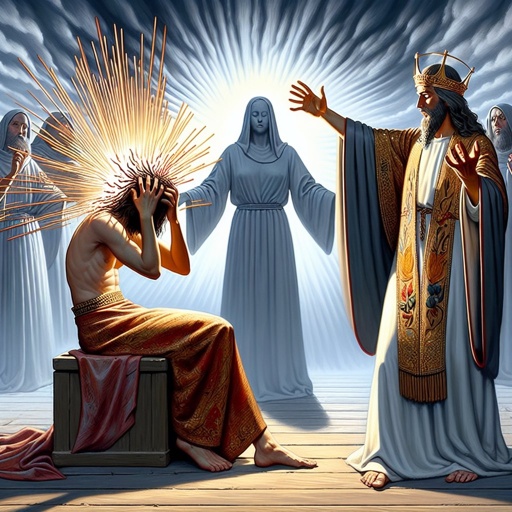
Jeremiah 2:37 - "Yea, thou shalt go forth from him, and thine hands upon thine head: for the LORD hath rejected thy confidences, and thou shalt not prosper in them."

Jeremiah 37:4 - "Now Jeremiah came in and went out among the people: for they had not put him into prison."

Jeremiah 37:14 - "Then said Jeremiah, It is false; I fall not away to the Chaldeans. But he hearkened not to him: so Irijah took Jeremiah, and brought him to the princes."

Jeremiah 37:12 - "Then Jeremiah went forth out of Jerusalem to go into the land of Benjamin, to separate himself thence in the midst of the people."

Jeremiah 37:15 - "Wherefore the princes were wroth with Jeremiah, and smote him, and put him in prison in the house of Jonathan the scribe: for they had made that the prison."

"¶ Then came the word of the LORD unto the prophet Jeremiah, saying," - Jeremiah 37:6

"¶ When Jeremiah was entered into the dungeon, and into the cabins, and Jeremiah had remained there many days;" - Jeremiah 37:16

Jeremiah 25:37 - "And the peaceable habitations are cut down because of the fierce anger of the LORD."

Jeremiah 37:8 - "And the Chaldeans shall come again, and fight against this city, and take it, and burn it with fire."

Jeremiah 51:37 - "And Babylon shall become heaps, a dwellingplace for dragons, an astonishment, and an hissing, without an inhabitant."

Jeremiah 37:3 - "And Zedekiah the king sent Jehucal the son of Shelemiah and Zephaniah the son of Maaseiah the priest to the prophet Jeremiah, saying, Pray now unto the LORD our God for us."

Jeremiah 37:21 - "Then Zedekiah the king commanded that they should commit Jeremiah into the court of the prison, and that they should give him daily a piece of bread out of the bakers' street, until all the bread in the city were spent. Thus Jeremiah remained in the court of the prison."

Jeremiah 37:18 - "Moreover Jeremiah said unto king Zedekiah, What have I offended against thee, or against thy servants, or against this people, that ye have put me in prison?"

Jeremiah 37:13 - "And when he was in the gate of Benjamin, a captain of the ward was there, whose name was Irijah, the son of Shelemiah, the son of Hananiah; and he took Jeremiah the prophet, saying, Thou fallest away to the Chaldeans."

Jeremiah 37:11 - "¶ And it came to pass, that when the army of the Chaldeans was broken up from Jerusalem for fear of Pharaoh's army,"

"Now Jeremiah came in and went out among the people: for they had not put him into prison." - Jeremiah 37:4

Jeremiah 23:37 - "Thus shalt thou say to the prophet, What hath the LORD answered thee? and, What hath the LORD spoken?"

Jeremiah 37:9 - "Thus saith the LORD; Deceive not yourselves, saying, The Chaldeans shall surely depart from us: for they shall not depart."

Jeremiah 48:37 - "For every head shall be bald, and every beard clipped: upon all the hands shall be cuttings, and upon the loins sackcloth."

Jeremiah 37:17 - "Then Zedekiah the king sent, and took him out: and the king asked him secretly in his house, and said, Is there any word from the LORD? And Jeremiah said, There is: for, said he, thou shalt be delivered into the hand of the king of Babylon."

Jeremiah 37:5 - "Then Pharaoh's army was come forth out of Egypt: and when the Chaldeans that besieged Jerusalem heard tidings of them, they departed from Jerusalem."

Luke 2:37

Luke 2:37

Genesis 37:2

Luke 2:37

Luke 2:37