What does Jeremiah 3:5 mean?
"Will he reserve his anger for ever? will he keep it to the end? Behold, thou hast spoken and done evil things as thou couldest." - Jeremiah 3:5
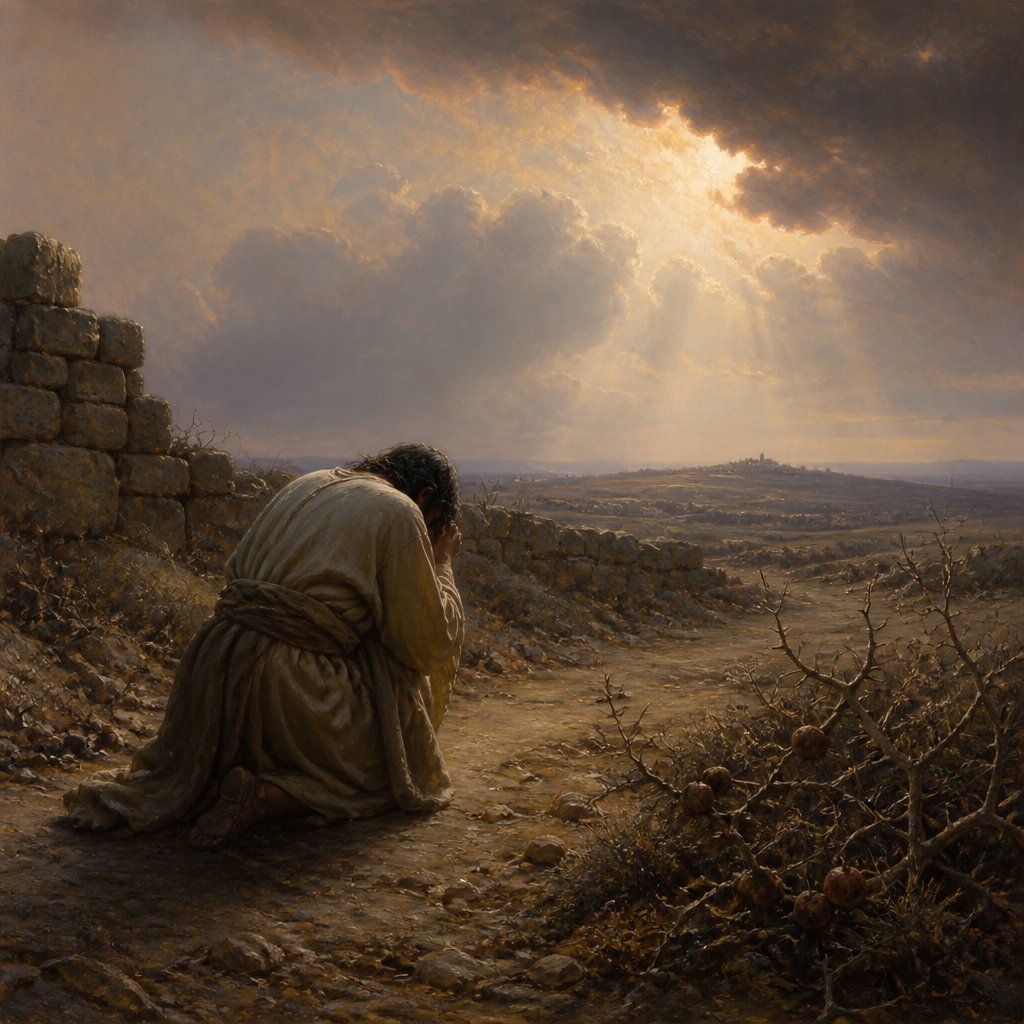
Jeremiah 3:5 in the King James Version of the Bible states, "Will he reserve his anger for ever? will he keep it to the end? Behold, thou hast spoken and done evil things as thou could."
This verse comes from the Old Testament book of Jeremiah, which is a prophetic book that contains messages from God to the people of Judah. In this particular verse, God is expressing his frustration with the people of Judah for their persistent disobedience and sinfulness.
To fully understand the meaning and significance of this verse, it's important to consider the context in which it was written. The book of Jeremiah was written during a time of great turmoil and upheaval in Judah. The people had turned away from God and were engaging in idolatry, injustice, and immorality. Despite the warnings and exhortations of the prophets, the people continued to rebel against God, provoking his anger and judgment.
In this verse, God is questioning whether he should continue to hold back his anger and judgment against the people. The rhetorical question, "Will he reserve his anger forever? will he keep it to the end?" reflects God's exasperation with the unrepentant behavior of the people. He is essentially asking if there is any end to their disobedience, and whether he should continue to show patience and forbearance.
The verse continues with a declaration of the people's evil deeds, "Behold, thou hast spoken and done evil things as thou could." This statement serves as a rebuke to the people, highlighting their intentional and willful disobedience. They have not only sinned in their actions, but also in their words, as they have spoken against God and committed evil deeds.
One of the key themes in this verse is the concept of divine justice and judgment. Throughout the book of Jeremiah, God warns the people of Judah about the consequences of their sin and rebellion. The verse reflects God's righteous anger and his determination to hold the people accountable for their actions. It also points to the inevitability of God's judgment, as he cannot indefinitely ignore or overlook the sins of his people.
Another important theme in this verse is the idea of repentance and forgiveness. Despite the people's persistent disobedience, God continues to extend them opportunities to turn back to him and seek forgiveness. The verse serves as a call to the people to acknowledge their wrongdoing and to turn away from their evil ways. It highlights the importance of genuine repentance and the possibility of reconciliation with God.
In terms of symbolism, the verse can be seen as a representation of the enduring patience and mercy of God, as well as his unwavering commitment to justice and righteousness. It also symbolizes the human tendency towards rebellion and sinfulness, and the need for repentance and redemption.
In conclusion, Jeremiah 3:5 is a powerful and poignant verse that captures the tension between God's patience and anger, as well as the call for repentance and accountability. It serves as a sobering reminder of the consequences of persistent disobedience, as well as the hope for forgiveness and restoration through genuine repentance. It is a verse that challenges us to examine our own actions and attitudes, and to seek reconciliation with God.
Have questions about Jeremiah 3:5?
Dive deeper into this scripture with Bible Chat — an AI-powered tool for exploring God's Word through conversation. Ask questions, get context, and grow in your understanding of the Bible.
Get Our Apps


Jeremiah 3:5 Artwork

Jeremiah 3:5 - "Will he reserve his anger for ever? will he keep it to the end? Behold, thou hast spoken and done evil things as thou couldest."

"Will he reserve his anger for ever? will he keep it to the end? Behold, thou hast spoken and done evil things as thou couldest." - Jeremiah 3:5

Jeremiah 5:3 - "O LORD, are not thine eyes upon the truth? thou hast stricken them, but they have not grieved; thou hast consumed them, but they have refused to receive correction: they have made their faces harder than a rock; they have refused to return."

Jeremiah 10:5

Jeremiah 21:3 - "¶ Then said Jeremiah unto them, Thus shall ye say to Zedekiah:"

Jeremiah 36:5 - "And Jeremiah commanded Baruch, saying, I am shut up; I cannot go into the house of the LORD:"

Jeremiah 3:2

Jeremiah 33:3

Jeremiah 33:3

Jeremiah 3:1

Jeremiah 3:49

Prophet Jeremiah 1:5

Jeremiah 28:5 - "Then the prophet Jeremiah said unto the prophet Hananiah in the presence of the priests, and in the presence of all the people that stood in the house of the LORD,"

Jeremiah 18:5 - "Then the word of the LORD came to me, saying,"

Jeremiah 5:30 - "¶ A wonderful and horrible thing is committed in the land;"

Jeremiah 20:3 - "And it came to pass on the morrow, that Pashur brought forth Jeremiah out of the stocks. Then said Jeremiah unto him, The LORD hath not called thy name Pashur, but Magor-missabib."

Jeremiah 5:20 - "Declare this in the house of Jacob, and publish it in Judah, saying,"

Jeremiah 5:16 - "Their quiver is as an open sepulchre, they are all mighty men."

Jeremiah 35:3 - "Then I took Jaazaniah the son of Jeremiah, the son of Habaziniah, and his brethren, and all his sons, and the whole house of the Rechabites;"

Jeremiah 5:23 - "But this people hath a revolting and a rebellious heart; they are revolted and gone."

Jeremiah 5:2 - "And though they say, The LORD liveth; surely they swear falsely."

Jeremiah 14:5 - "Yea, the hind also calved in the field, and forsook it, because there was no grass."

Jeremiah 52:5 - "So the city was besieged unto the eleventh year of king Zedekiah."

Jeremiah 13:5 - "So I went, and hid it by Euphrates, as the LORD commanded me."

Jeremiah 3:3 - "Therefore the showers have been withholden, and there hath been no latter rain; and thou hadst a whore's forehead, thou refusedst to be ashamed."

Jeremiah 42:5 - "Then they said to Jeremiah, The LORD be a true and faithful witness between us, if we do not even according to all things for the which the LORD thy God shall send thee to us."

Jeremiah 46:3 - "Order ye the buckler and shield, and draw near to battle."

Jeremiah 37:3 - "And Zedekiah the king sent Jehucal the son of Shelemiah and Zephaniah the son of Maaseiah the priest to the prophet Jeremiah, saying, Pray now unto the LORD our God for us."

Jeremiah 48:3 - "A voice of crying shall be from Horonaim, spoiling and great destruction."

Jeremiah 30:5 - "For thus saith the LORD; We have heard a voice of trembling, of fear, and not of peace."