What does Jeremiah 4:11 mean?
"At that time shall it be said to this people and to Jerusalem, A dry wind of the high places in the wilderness toward the daughter of my people, not to fan, nor to cleanse," - Jeremiah 4:11
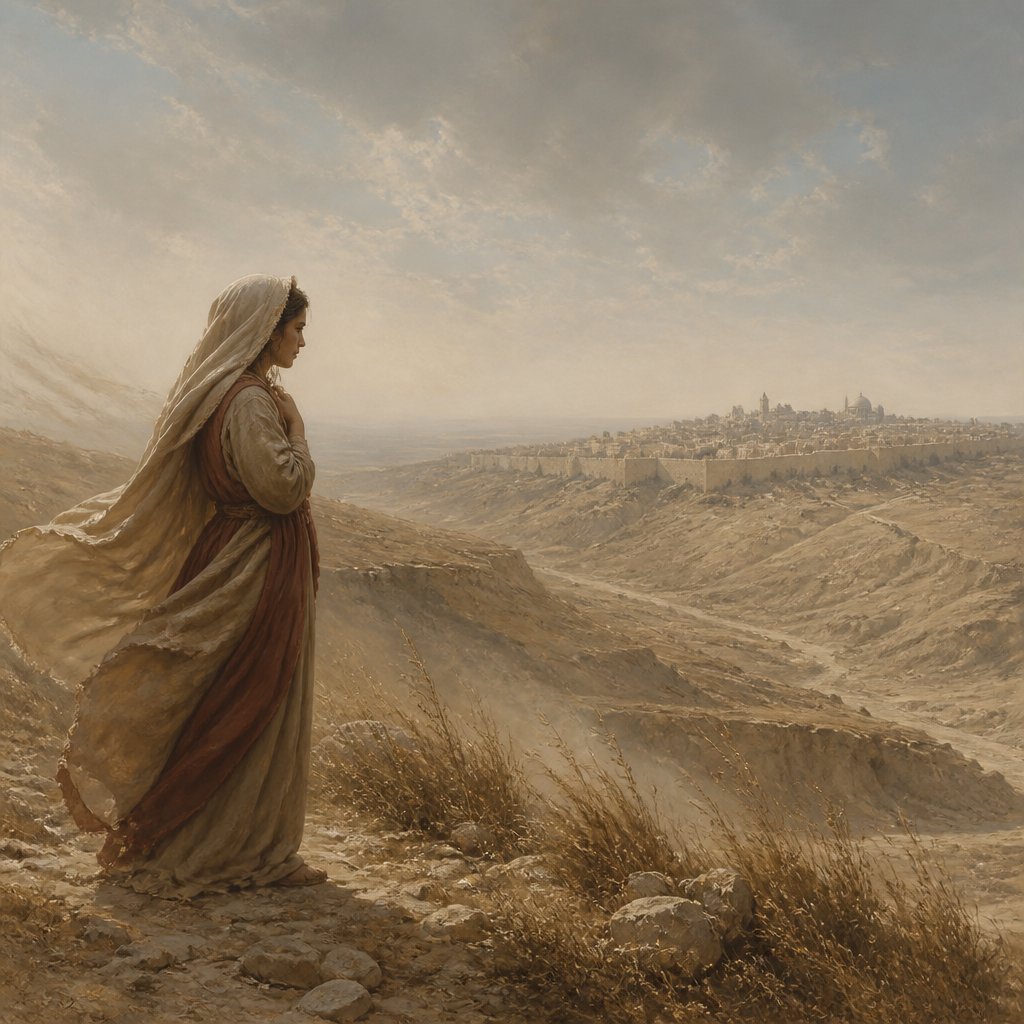
Jeremiah 4:11 in the King James Version reads, "At that time shall it be said to this people and to Jerusalem, A dry wind of the high places in the wilderness toward the daughter of my people, not to fan, nor to cleanse." This verse is part of the Old Testament in the book of Jeremiah, written by the prophet Jeremiah during a time of great turmoil and uncertainty for the people of Judah.
In order to fully understand the meaning and significance of this verse, it is important to consider the context in which it was written. At the time, Judah was facing impending doom and destruction as a result of their disobedience and waywardness from God. The people had turned to idolatry, injustice, and religious corruption, and Jeremiah was sent by God to warn them of the consequences of their actions. The impending threat of invasion by the Babylonians loomed over the nation, and Jeremiah's message was one of impending judgment and punishment for their sins.
The imagery of "a dry wind of the high places in the wilderness toward the daughter of my people, not to fan, nor to cleanse" paints a vivid picture of the devastation and desolation that was to come upon the people of Judah. The "dry wind" symbolizes a destructive force that will sweep over the land, bringing desolation and ruin. The "high places in the wilderness" represent the barren and uninhabited regions where this wind will originate from, and its direction toward "the daughter of my people" speaks to the impending destruction and suffering that the people will face.
The phrase "not to fan, nor to cleanse" further emphasizes the harsh and unrelenting nature of this wind. In ancient times, the fan was used to separate wheat from chaff, while cleansing was used to purify and remove impurities. By stating that the wind is not for these purposes, it conveys that this destructive force will not bring any form of relief or purification, but rather devastation and ruin.
The overarching theme of this verse is one of impending judgment and punishment for the people's disobedience and sinfulness. Throughout the book of Jeremiah, the prophet repeatedly warns the people of the consequences of their actions, and calls for them to repent and turn back to God. The dry wind serves as a metaphor for the coming invasion and destruction that will befall the nation as a result of their sins.
This verse also serves as a reminder of God's sovereignty and justice. The dry wind is depicted as a force that is beyond the control of the people, signaling that it is a divine judgment brought upon them by God. It reflects the idea that God is the ultimate authority, and that His justice will ultimately prevail.
In addition, the imagery of the dry wind can also be seen as a call to repentance and a warning of the impending consequences of their actions. It serves as a reminder that God's mercy and patience has its limits, and that a day of reckoning will come for those who persist in their disobedience.
Overall, Jeremiah 4:11 is a powerful and evocative verse that conveys the impending judgment and devastation that will befall the people of Judah. It serves as a warning of the consequences of sin and disobedience, as well as a reminder of God's sovereignty and justice. It is a poignant reminder of the importance of faithfulness and obedience to God, and a call to repentance for those who have strayed from His path.
Have questions about Jeremiah 4:11?
Dive deeper into this scripture with Bible Chat — an AI-powered tool for exploring God's Word through conversation. Ask questions, get context, and grow in your understanding of the Bible.
Get Our Apps


Jeremiah 4:11 Artwork
Jeremiah 4:11 - "At that time shall it be said to this people and to Jerusalem, A dry wind of the high places in the wilderness toward the daughter of my people, not to fan, nor to cleanse,"
"At that time shall it be said to this people and to Jerusalem, A dry wind of the high places in the wilderness toward the daughter of my people, not to fan, nor to cleanse," - Jeremiah 4:11

Jeremiah 11:1 - "The word that came to Jeremiah from the LORD, saying,"

Jeremiah 29:11-13

Jeremiah 29:11-13

Jeremiah 29:11-13

Jeremiah 29:11-13

Jeremiah 29:11

Jeremiah 29:11

Jeremiah 29:11

Jeremiah 29:11

Jeremiah 39:11 - "¶ Now Nebuchadrezzar king of Babylon gave charge concerning Jeremiah to Nebuzar-adan the captain of the guard, saying,"

Jeremiah 33:2-11

Jeremiah 33:2-11

"The word that came to Jeremiah from the LORD, saying," - Jeremiah 11:1

Jeremiah 20:4

Jeremiah 37:4 - "Now Jeremiah came in and went out among the people: for they had not put him into prison."

Jeremiah 29:11 sticker elements

Jeremiah 11:4 - "Which I commanded your fathers in the day that I brought them forth out of the land of Egypt, from the iron furnace, saying, Obey my voice, and do them, according to all which I command you: so shall ye be my people, and I will be your God:"

Jeremiah 1:11 - "¶ Moreover the word of the LORD came unto me, saying, Jeremiah, what seest thou? And I said, I see a rod of an almond tree."

Jeremiah 14:11 - "Then said the LORD unto me, Pray not for this people for their good."

Jeremiah 29: 4-14

Jeremiah 29: 4-14

Jeremiah 29: 4-14

Jeremiah 29: 4-14

Jeremiah 29: 4-14

Jeremiah 36:4 - "Then Jeremiah called Baruch the son of Neriah: and Baruch wrote from the mouth of Jeremiah all the words of the LORD, which he had spoken unto him, upon a roll of a book."

Jeremiah 21:11 - "¶ And touching the house of the king of Judah, say, Hear ye the word of the LORD;"

Jeremiah 1:4 - "Then the word of the LORD came unto me, saying,"

Jeremiah 11:2 - "Hear ye the words of this covenant, and speak unto the men of Judah, and to the inhabitants of Jerusalem;"