What does Jeremiah 40:8 mean?
“Then they came to Gedaliah to Mizpah, even Ishmael the son of Nethaniah, and Johanan and Jonathan the sons of Kareah, and Seraiah the son of Tanhumeth, and the sons of Ephai the Netophathite, and Jezaniah the son of a Maachathite, they and their men.” — Jeremiah 40:8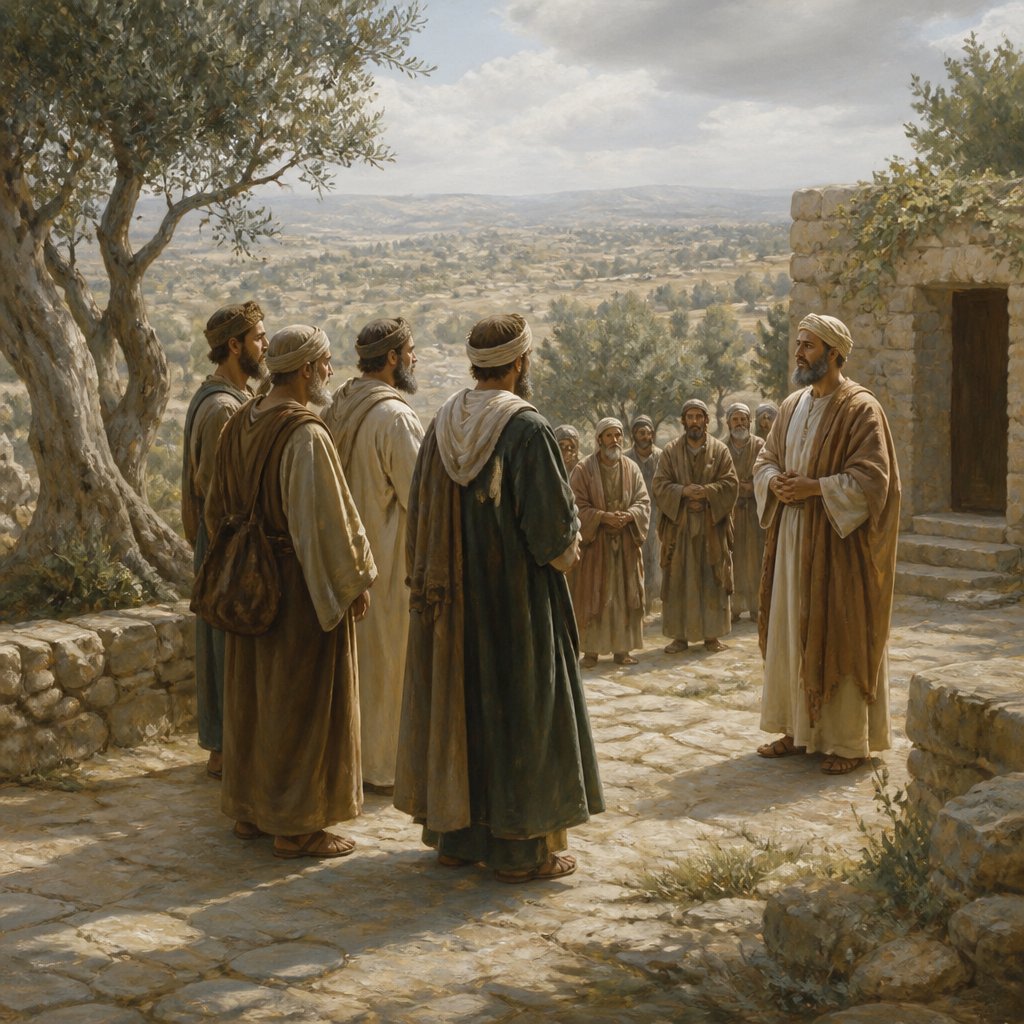
The verse Jeremiah 40:8 in the King James Version (KJV) of the Bible reads, "Then they came to Gedaliah to Mizpah, even Ishmael the son of Nethaniah, and Johanan and Jonathan the sons of Kareah, and Seraiah the son of Tanhumeth, and the sons of Ephai the Netophathite, and Jezaniah the son of a Maachathite, they and their men." This verse is found within the book of Jeremiah, which is a significant prophetic book in the Old Testament.
To fully understand the meaning and context of Jeremiah 40:8, it is important to consider the historical and literary context of the book of Jeremiah. The prophet Jeremiah lived during a tumultuous time in Israel's history, as the nation faced internal strife, foreign invasions, and the destruction of the temple in Jerusalem by the Babylonians. In the preceding chapters, Jerusalem has fallen to the Babylonian forces, and many of its inhabitants have been taken into captivity. The book of Jeremiah focuses on the prophet's messages of warning, judgment, and hope for the people of Israel.
In Jeremiah 40:8, the verse describes a specific event that occurred after the fall of Jerusalem. Gedaliah, who was appointed as the governor of the land by the Babylonians, is visited by a group of men led by Ishmael, Johanan, Jonathan, Seraiah, the sons of Ephai, and Jezaniah. These men had likely been leaders or officials in Judah prior to its fall, and they come to Gedaliah with their men, likely seeking refuge or seeking to establish a new leadership structure in the wake of the destruction of Jerusalem.
The themes present in this verse include leadership, power struggles, and the aftermath of destruction. After the fall of Jerusalem, there was a power vacuum in the land, and various factions vied for control and influence. This verse captures the complexities and tensions of the post-exilic period, as different groups sought to navigate the new political and social landscape.
Symbolically, this verse reflects the broader themes of restoration, remnant, and the remaking of the people of Israel. The visit to Gedaliah at Mizpah represents a pivotal moment in the rebuilding and reorganization of the community, as the survivors sought to find a way forward in the aftermath of the devastation. This verse also highlights the diverse backgrounds and origins of the men who came to Gedaliah, suggesting the diverse makeup of the remnant of Israel and the need for unity and cooperation among the people if they are to rebuild and thrive in the land.
In summary, Jeremiah 40:8 captures a specific moment in the complex and challenging period following the fall of Jerusalem. The verse reflects the themes of leadership, power struggles, and restoration, and it symbolizes the diversity and unity of the remnant of Israel. By understanding the historical and literary context of the book of Jeremiah, we can appreciate the rich layers of meaning and the enduring relevance of this verse for readers today.
Get our apps


Artwork for Jeremiah 40:8

Jeremiah 40:8 - "Then they came to Gedaliah to Mizpah, even Ishmael the son of Nethaniah, and Johanan and Jonathan the sons of Kareah, and Seraiah the son of Tanhumeth, and the sons of Ephai the Netophathite, and Jezaniah the son of a Maachathite, they and their men."
"Then they came to Gedaliah to Mizpah, even Ishmael the son of Nethaniah, and Johanan and Jonathan the sons of Kareah, and Seraiah the son of Tanhumeth, and the sons of Ephai the Netophathite, and Jezaniah the son of a Maachathite, they and their men." - Jeremiah 40:8

Jeremiah 40

Jeremiah 40:6 - "Then went Jeremiah unto Gedaliah the son of Ahikam to Mizpah; and dwelt with him among the people that were left in the land."

Jeremiah 40:2 - "And the captain of the guard took Jeremiah, and said unto him, The LORD thy God hath pronounced this evil upon this place."

Jeremiah 23:40 - "And I will bring an everlasting reproach upon you, and a perpetual shame, which shall not be forgotten."

Jeremiah 51:40 - "I will bring them down like lambs to the slaughter, like rams with he goats."

Jeremiah 40:13 - "¶ Moreover Johanan the son of Kareah, and all the captains of the forces that were in the fields, came to Gedaliah to Mizpah,"

Ezekiel 40:8 - "He measured also the porch of the gate within, one reed."

Jeremiah 48:40 - "For thus saith the LORD; Behold, he shall fly as an eagle, and shall spread his wings over Moab."

Isaiah 40:8 - "The grass withereth, the flower fadeth: but the word of our God shall stand for ever."

Jeremiah 40:16 - "But Gedaliah the son of Ahikam said unto Johanan the son of Kareah, Thou shalt not do this thing: for thou speakest falsely of Ishmael."

Jeremiah 43:8 - "¶ Then came the word of the LORD unto Jeremiah in Tahpanhes, saying,"

Exodus 40:8 - "And thou shalt set up the court round about, and hang up the hanging at the court gate."
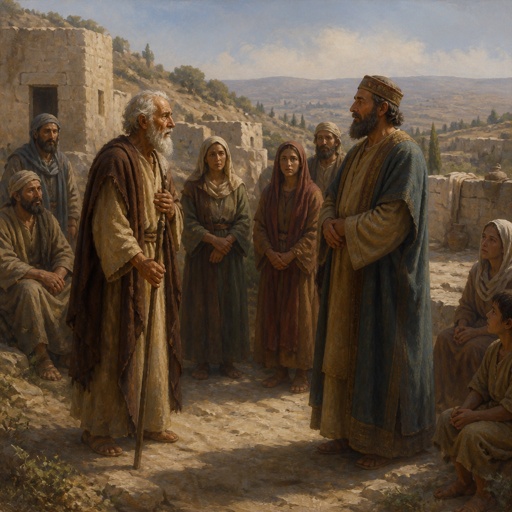
"Then went Jeremiah unto Gedaliah the son of Ahikam to Mizpah; and dwelt with him among the people that were left in the land." - Jeremiah 40:6

Luke 8:40 - "And it came to pass, that, when Jesus was returned, the people gladly received him: for they were all waiting for him."

Psalms 40:8 - "I delight to do thy will, O my God: yea, thy law is within my heart."

Acts 8:40 - "But Philip was found at Azotus: and passing through he preached in all the cities, till he came to Caesarea."

Job 40:8 - "Wilt thou also disannul my judgment? wilt thou condemn me, that thou mayest be righteous?"

Jeremiah 50:40 - "As God overthrew Sodom and Gomorrah and the neighbour cities thereof, saith the LORD; so shall no man abide there, neither shall any son of man dwell therein."
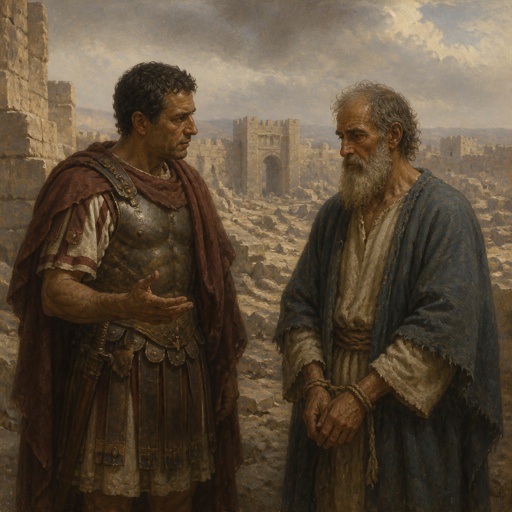
"And the captain of the guard took Jeremiah, and said unto him, The LORD thy God hath pronounced this evil upon this place." - Jeremiah 40:2

1 Kings 8:40 - "That they may fear thee all the days that they live in the land which thou gavest unto our fathers."

Jeremiah 40:9 - "And Gedaliah the son of Ahikam the son of Shaphan sware unto them and to their men, saying, Fear not to serve the Chaldeans: dwell in the land, and serve the king of Babylon, and it shall be well with you."

1 King 19:8

Jeremiah 32:40 - "And I will make an everlasting covenant with them, that I will not turn away from them, to do them good; but I will put my fear in their hearts, that they shall not depart from me."
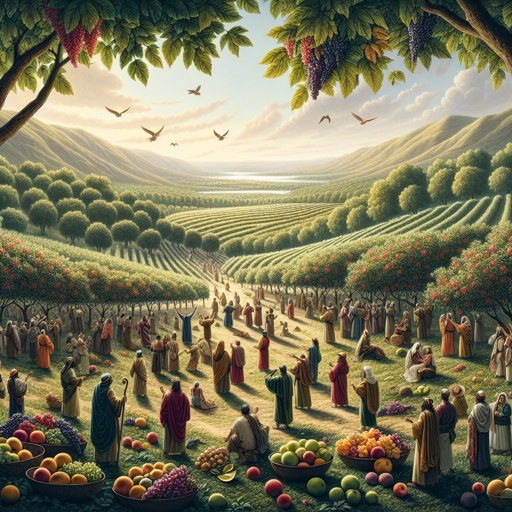
Jeremiah 40:12 - "Even all the Jews returned out of all places whither they were driven, and came to the land of Judah, to Gedaliah, unto Mizpah, and gathered wine and summer fruits very much."

Jeremiah 40:14 - "And said unto him, Dost thou certainly know that Baalis the king of the Ammonites hath sent Ishmael the son of Nethaniah to slay thee? But Gedaliah the son of Ahikam believed them not."

Jeremiah 40:1 - "The word that came to Jeremiah from the LORD, after that Nebuzar-adan the captain of the guard had let him go from Ramah, when he had taken him being bound in chains among all that were carried away captive of Jerusalem and Judah, which were carried away captive unto Babylon."

John 8:40 - "But now ye seek to kill me, a man that hath told you the truth, which I have heard of God: this did not Abraham."

Jeremiah 17:7-8