What does Jeremiah 4:20 mean?
“Destruction upon destruction is cried; for the whole land is spoiled: suddenly are my tents spoiled, and my curtains in a moment.” — Jeremiah 4:20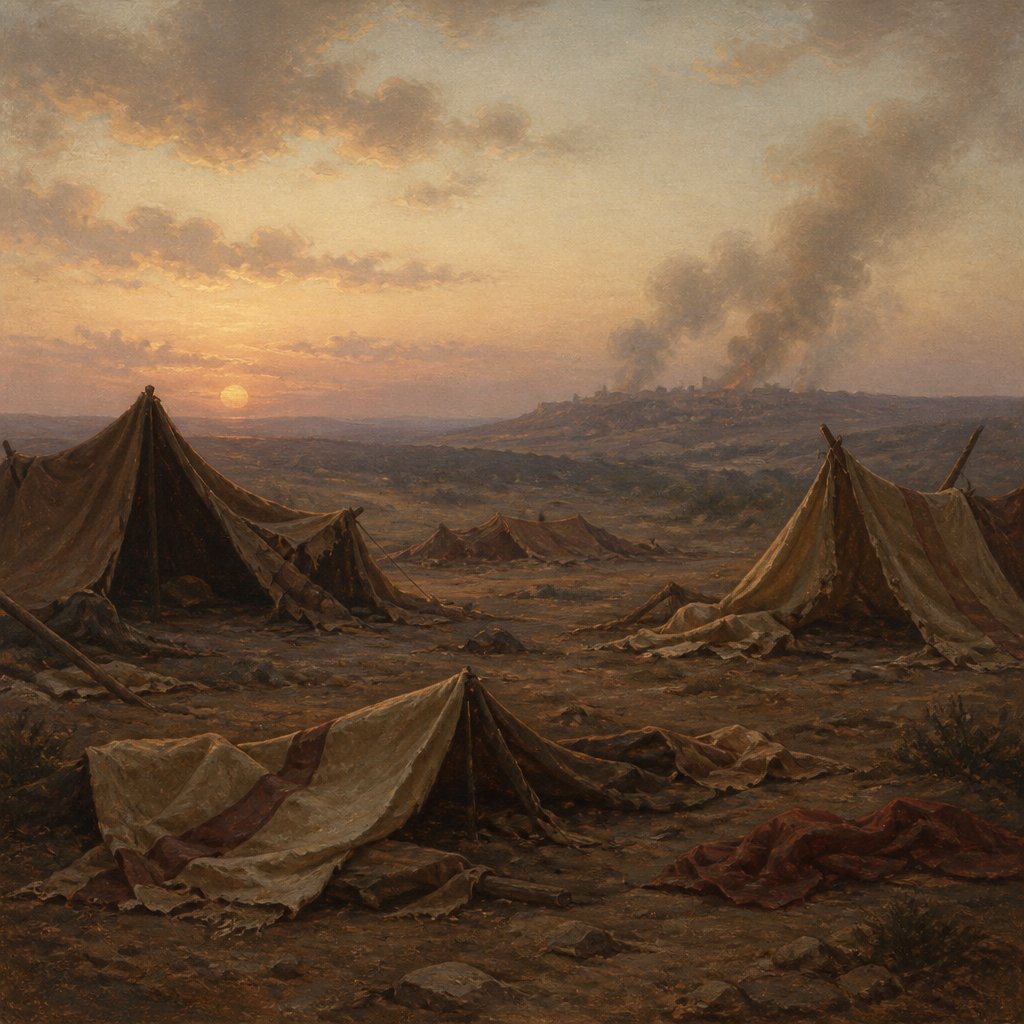
Jeremiah 4:20 (KJV) says, "Destruction upon destruction is cried; for the whole land is spoiled: suddenly are my tents spoiled, and my curtains in a moment."
This verse comes from the Book of Jeremiah, which is a prophetic book in the Old Testament of the Bible. The book is believed to have been written by the prophet Jeremiah, who served as a spokesman for God to the people of Judah during a very difficult time in their history. The verse itself is part of a larger passage in which Jeremiah laments the devastation and destruction that is coming upon the land of Judah.
The theme of destruction is prominent in this verse, and it reflects the dire situation that the people of Judah were facing at the time. The prophet Jeremiah is expressing his deep sorrow and anguish over the destruction of his people's land and the loss of their possessions. The use of the word "cried" in the verse suggests a sense of urgency and despair, as if the destruction is so overwhelming that it cannot be ignored or overlooked.
The imagery of tents being spoiled and curtains being torn down emphasizes the sudden and devastating nature of the destruction. Tents and curtains are often seen as symbols of shelter and protection, so their destruction represents the loss of security and safety for the people of Judah. The use of the word "moment" further conveys the swiftness and unpredictability of the devastation, as if it has come upon them without warning.
In terms of context, this verse is part of a larger passage in which Jeremiah is warning the people of Judah about the impending invasion and destruction that they will face if they do not turn away from their sinful ways and return to God. Throughout the book, Jeremiah is depicted as a reluctant prophet who is tasked with delivering messages of doom and destruction to his people, but he does so out of a sense of duty and love for his fellow Israelites.
The symbolism in this verse is powerful and multi-layered. On one level, the destruction of the land and the loss of possessions represent the physical consequences of the people's disobedience and unfaithfulness to God. However, on a deeper level, the tents and curtains can also be seen as symbols of the spiritual and emotional devastation that the people are facing. Their sense of security and comfort has been shattered, and they are left feeling vulnerable and exposed.
Overall, Jeremiah 4:20 is a poignant and evocative verse that captures the sense of hopelessness and despair that the people of Judah were experiencing at the time. It serves as a powerful reminder of the consequences of straying from God and the need to turn back to Him in times of trouble. The verse also speaks to the universal human experience of facing loss and devastation, and the need to find hope and comfort in the midst of despair.
Get our apps


Artwork for Jeremiah 4:20

Jeremiah 4:20 - "Destruction upon destruction is cried; for the whole land is spoiled: suddenly are my tents spoiled, and my curtains in a moment."

"Destruction upon destruction is cried; for the whole land is spoiled: suddenly are my tents spoiled, and my curtains in a moment." - Jeremiah 4:20

Jeremiah 20:4

Jeremiah 20:2 - "Then Pashur smote Jeremiah the prophet, and put him in the stocks that were in the high gate of Benjamin, which was by the house of the LORD."

Jeremiah 20:3 - "And it came to pass on the morrow, that Pashur brought forth Jeremiah out of the stocks. Then said Jeremiah unto him, The LORD hath not called thy name Pashur, but Magor-missabib."

Jeremiah 20:1 - "Now Pashur the son of Immer the priest, who was also chief governor in the house of the LORD, heard that Jeremiah prophesied these things."

Jeremiah 44:20 - "¶ Then Jeremiah said unto all the people, to the men, and to the women, and to all the people which had given him that answer, saying,"

Jeremiah 5:20 - "Declare this in the house of Jacob, and publish it in Judah, saying,"

Jeremiah 8:20 - "The harvest is past, the summer is ended, and we are not saved."

Jeremiah 16:20 - "Shall a man make gods unto himself, and they are no gods?"

Jeremiah 20:4 - "For thus saith the LORD, Behold, I will make thee a terror to thyself, and to all thy friends: and they shall fall by the sword of their enemies, and thine eyes shall behold it: and I will give all Judah into the hand of the king of Babylon, and he shall carry them captive into Babylon, and shall slay them with the sword."

Jeremiah 37:4 - "Now Jeremiah came in and went out among the people: for they had not put him into prison."

Jeremiah 26:20 - "And there was also a man that prophesied in the name of the LORD, Urijah the son of Shemaiah of Kirjath-jearim, who prophesied against this city and against this land according to all the words of Jeremiah:"

1 Corinthians 4:20

1 Corinthians 4:20

1 Corinthians 4:20

1 Corinthians 4:20

Jeremiah 46:20 - "Egypt is like a very fair heifer, but destruction cometh; it cometh out of the north."

Revelation 20:4

Revelation 20:4

Revelation 20:4

Jeremiah 29: 4-14

Jeremiah 29: 4-14

Revelation 20:4

Revelation 20:4

Jeremiah 36:4 - "Then Jeremiah called Baruch the son of Neriah: and Baruch wrote from the mouth of Jeremiah all the words of the LORD, which he had spoken unto him, upon a roll of a book."

Genesis 20-4

Jeremiah 29: 4-14

Jeremiah 29: 4-14

Jeremiah 29: 4-14