What does Jeremiah 52:7 mean?
“Then the city was broken up, and all the men of war fled, and went forth out of the city by night by the way of the gate between the two walls, which was by the king’s garden; ( now the Chaldeans were by the city round about:) and they went by the way of the plain.” — Jeremiah 52:7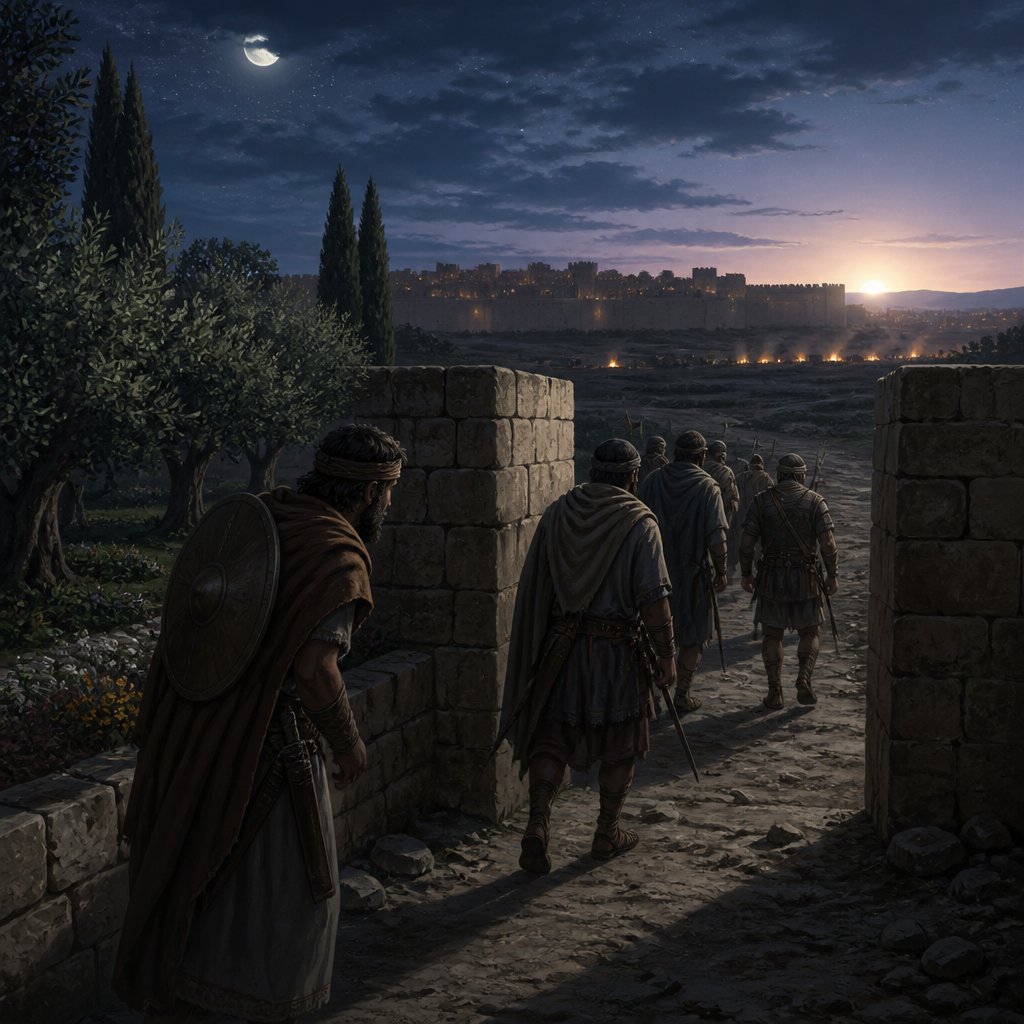
Jeremiah 52:7 (KJV) states, "Then the city was broken up, and all the men of war fled, and went forth out of the city by night by the way of the gate between the two walls, which was by the king's garden; (now the Chaldeans were by the city round about:) and they went by the way of the plain."
This verse comes from the book of Jeremiah in the Old Testament, which is known for its prophecies of doom and destruction. The book of Jeremiah is unique in that it not only contains prophecies of judgment, but it also contains messages of hope and restoration. Jeremiah himself is known as the "weeping prophet" due to his anguish over the impending destruction of Jerusalem.
In this particular passage, the city being referred to is Jerusalem, the capital of Judah. The reference to "the men of war" fleeing from the city indicates that the Babylonian army, also known as the Chaldeans, had successfully invaded and the occupants of the city were attempting to escape. The "way of the gate between the two walls" may have been a strategic exit point that was used to avoid detection by the Babylonian forces. The mention of the king's garden and the plain illustrates the specific route taken by the men of war as they fled.
From a historical perspective, this verse is recounting the events of the final days of Jerusalem before it was conquered by the Babylonians in 586 BC. The city was under siege for over a year, during which time the inhabitants suffered from hunger and disease. When the Babylonians ultimately breached the city walls, the consequences were devastating. The city was plundered, the temple was destroyed, and many of the people were taken captive to Babylon.
The themes present in this verse are those of destruction, war, and judgment. The city of Jerusalem, which was once a place of significance and power, has now been reduced to a state of chaos and despair. The imagery of the men of war fleeing the city at night highlights the fear and panic that engulfed the city in its final hours. The power and authority of the Chaldeans, who were able to surround the city, are evident in this verse as well.
Symbolically, this verse serves as a reminder of the consequences of disobedience and rebellion against God. Throughout the book of Jeremiah, the prophet warns the people of Judah of the impending judgment that would come as a result of their unfaithfulness. The destruction of Jerusalem is portrayed as a direct result of the people's refusal to heed the warnings of God's prophets and turn from their wicked ways.
Furthermore, this verse can serve as a cautionary tale about the consequences of placing trust in earthly powers and military might rather than relying on God. The downfall of Jerusalem serves as a stark reminder that human strength is ultimately futile in the face of divine judgment.
In conclusion, Jeremiah 52:7 is a poignant and sobering depiction of the final days of Jerusalem before its destruction by the Babylonians. It serves as a cautionary tale about the consequences of disobedience and rebellion against God, as well as a reminder of the futility of placing trust in earthly powers. Despite the bleakness of this passage, it is important to remember that the book of Jeremiah also contains messages of hope and restoration, indicating that even in the midst of judgment, God's grace and mercy are still present.
Get our apps


Artwork for Jeremiah 52:7
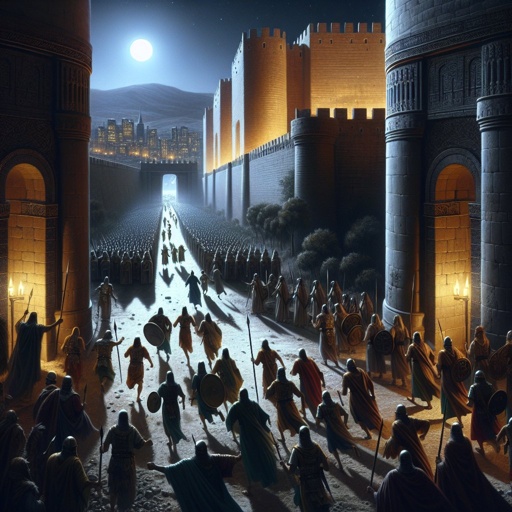
Jeremiah 52:7 - "Then the city was broken up, and all the men of war fled, and went forth out of the city by night by the way of the gate between the two walls, which was by the king's garden; (now the Chaldeans were by the city round about:) and they went by the way of the plain."
"Then the city was broken up, and all the men of war fled, and went forth out of the city by night by the way of the gate between the two walls, which was by the king's garden; (now the Chaldeans were by the city round about:) and they went by the way of the plain." - Jeremiah 52:7

Jeremiah 52:16
Psalm 52:7

Jeremiah 52:5 - "So the city was besieged unto the eleventh year of king Zedekiah."

Jeremiah 52:16 - "But Nebuzar-adan the captain of the guard left certain of the poor of the land for vinedressers and for husbandmen."

Jeremiah 52:2 - "And he did that which was evil in the eyes of the LORD, according to all that Jehoiakim had done."

Numbers 7:52 - "One kid of the goats for a sin offering:"

Jeremiah 52:6 - "And in the fourth month, in the ninth day of the month, the famine was sore in the city, so that there was no bread for the people of the land."

Jeremiah 52:26 - "So Nebuzar-adan the captain of the guard took them, and brought them to the king of Babylon to Riblah."

Jeremiah 52:1 - "Zedekiah was one and twenty years old when he began to reign, and he reigned eleven years in Jerusalem. And his mother's name was Hamutal the daughter of Jeremiah of Libnah."

Nehemiah 7:52 - "The children of Besai, the children of Meunim, the children of Nephishesim,"

Jeremiah 52:24 - "¶ And the captain of the guard took Seraiah the chief priest, and Zephaniah the second priest, and the three keepers of the door:"

Jeremiah 52:32 - "And spake kindly unto him, and set his throne above the throne of the kings that were with him in Babylon,"

Jeremiah 52:14 - "And all the army of the Chaldeans, that were with the captain of the guard, brake down all the walls of Jerusalem round about."

Jeremiah 52:28 - "This is the people whom Nebuchadrezzar carried away captive: in the seventh year three thousand Jews and three and twenty:"

Jeremiah 52:18 - "The caldrons also, and the shovels, and the snuffers, and the bowls, and the spoons, and all the vessels of brass wherewith they ministered, took they away."
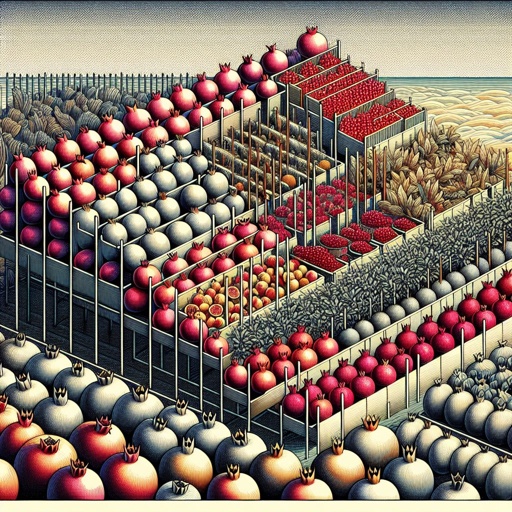
Jeremiah 52:23 - "And there were ninety and six pomegranates on a side; and all the pomegranates upon the network were an hundred round about."

Jeremiah 52:29 - "In the eighteenth year of Nebuchadrezzar he carried away captive from Jerusalem eight hundred thirty and two persons:"
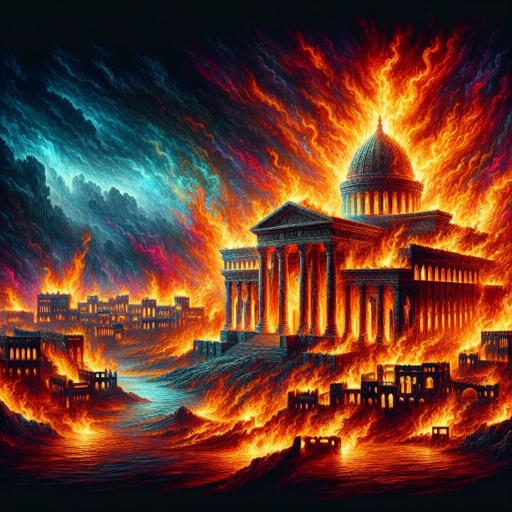
Jeremiah 52:13 - "And burned the house of the LORD, and the king's house; and all the houses of Jerusalem, and all the houses of the great men, burned he with fire:"

Jeremiah 52:33 - "And changed his prison garments: and he did continually eat bread before him all the days of his life."
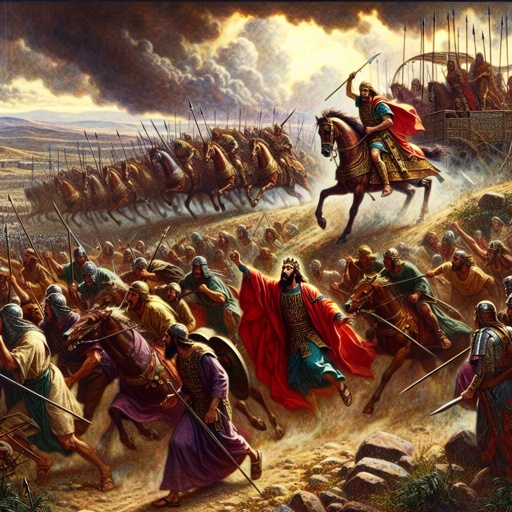
Jeremiah 52:8 - "¶ But the army of the Chaldeans pursued after the king, and overtook Zedekiah in the plains of Jericho; and all his army was scattered from him."

Jeremiah 52:10 - "And the king of Babylon slew the sons of Zedekiah before his eyes: he slew also all the princes of Judah in Riblah."

Jeremiah 52:9 - "Then they took the king, and carried him up unto the king of Babylon to Riblah in the land of Hamath; where he gave judgment upon him."
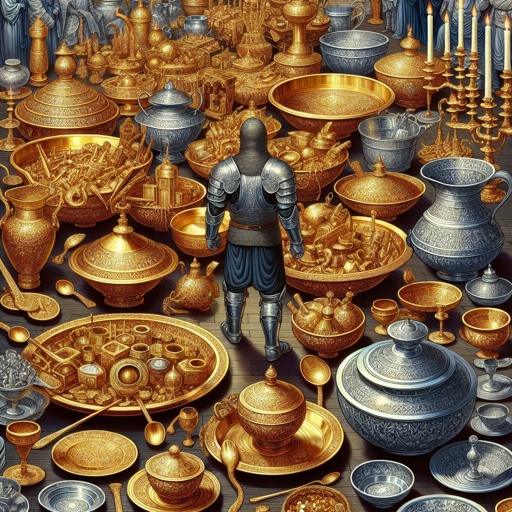
Jeremiah 52:19 - "And the basons, and the firepans, and the bowls, and the caldrons, and the candlesticks, and the spoons, and the cups; that which was of gold in gold, and that which was of silver in silver, took the captain of the guard away."
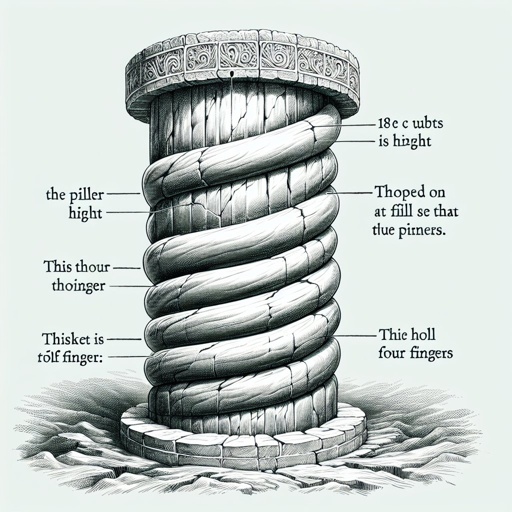
Jeremiah 52:21 - "And concerning the pillars, the height of one pillar was eighteen cubits; and a fillet of twelve cubits did compass it; and the thickness thereof was four fingers: it was hollow."
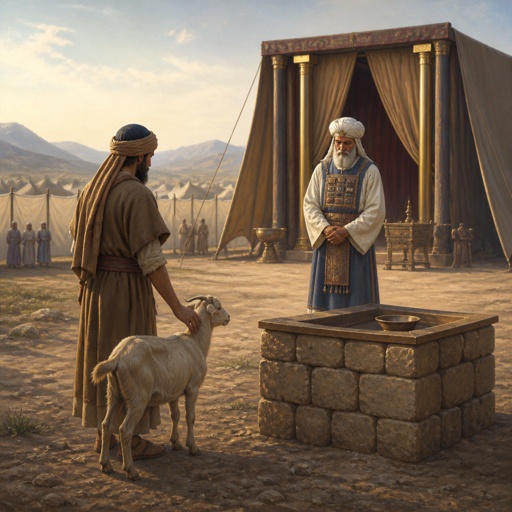
"One kid of the goats for a sin offering:" - Numbers 7:52
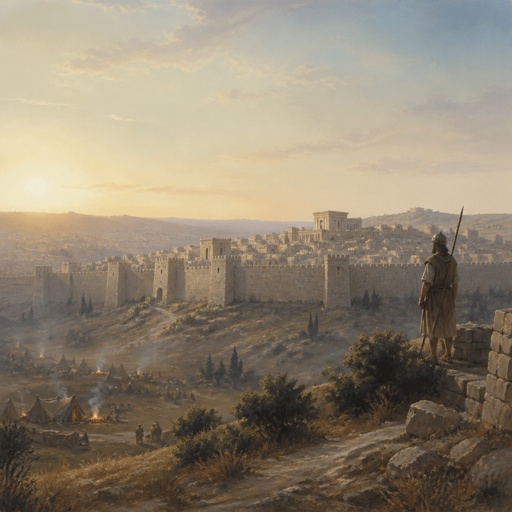
"So the city was besieged unto the eleventh year of king Zedekiah." - Jeremiah 52:5

Jeremiah 52:17 - "Also the pillars of brass that were in the house of the LORD, and the bases, and the brasen sea that was in the house of the LORD, the Chaldeans brake, and carried all the brass of them to Babylon."

Jeremiah 52:34 - "And for his diet, there was a continual diet given him of the king of Babylon, every day a portion until the day of his death, all the days of his life."