What does Jeremiah 7:5 mean?
“For if ye throughly amend your ways and your doings; if ye throughly execute judgment between a man and his neighbour;” — Jeremiah 7:5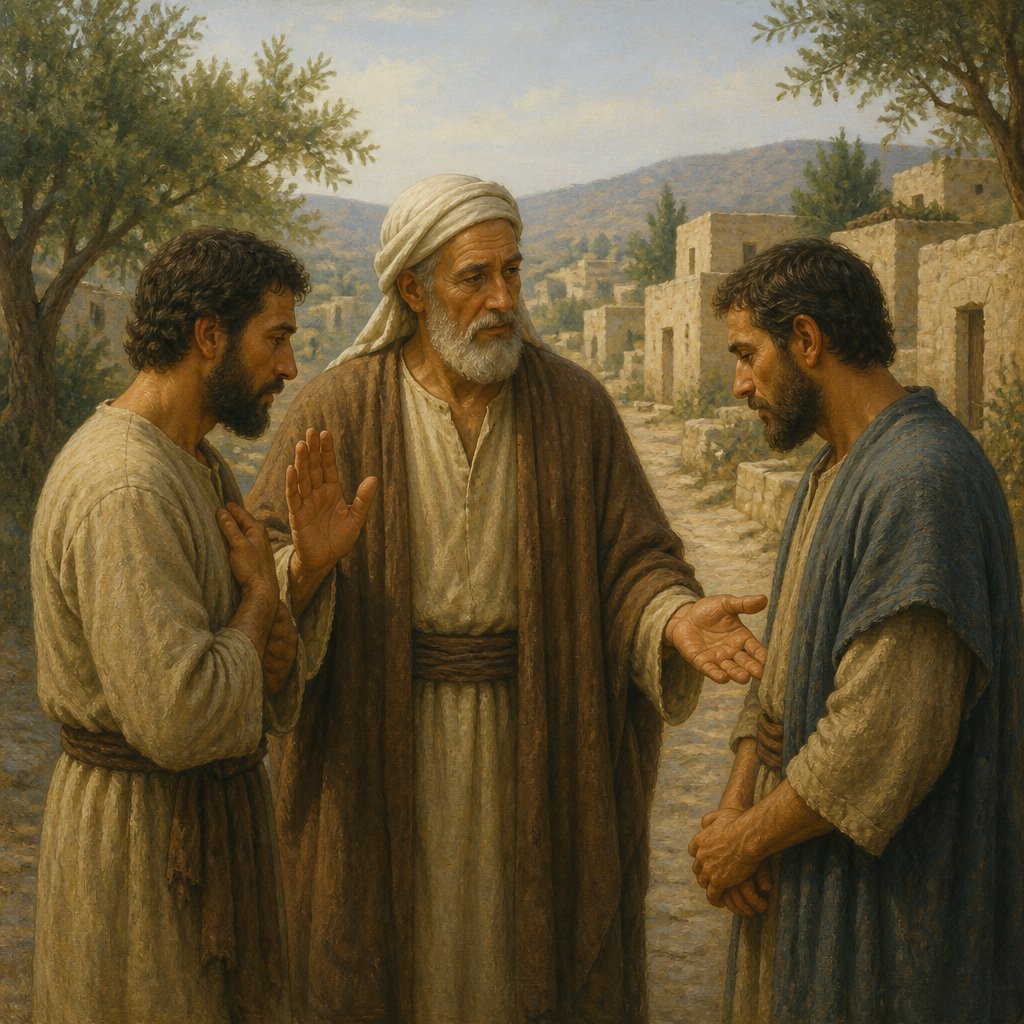
The Bible verse Jeremiah 7:5 from the King James Version reads: "For if ye throughly amend your ways and your doings; if ye throughly execute judgment between a man and his neighbour."
This verse is part of a larger passage in the book of Jeremiah, where the prophet is delivering a message from God to the people of Judah. In this specific passage, Jeremiah is addressing the people's religious practices and their lack of true repentance and obedience to God.
The verse begins with a conditional statement - "For if ye throughly amend your ways and your doings." This sets the stage for the consequences that will follow if the people do not amend their ways. The use of the word "throughly" emphasizes the need for a complete and genuine change in behavior. It's not just about superficial actions, but about a deep and sincere transformation of the heart and mind.
The next part of the verse reveals the expected result of this thorough amendment - "if ye throughly execute judgment between a man and his neighbour." Here, the emphasis is on justice and righteousness in the way the people treat one another. God is calling for the people to be fair and just in their dealings with others, to uphold the principles of justice and equity in their relationships and interactions.
The overarching theme of this verse is the call to genuine repentance and obedience to God. The people of Judah had become complacent in their religious practices, going through the motions without truly honoring God in their hearts. Jeremiah's message was a wake-up call, urging the people to turn away from their sinful ways and return to wholehearted devotion to God.
The context of this verse is important for understanding its significance. At the time of Jeremiah, the nation of Judah was in a state of moral and spiritual decline. The people had turned away from God, engaging in idolatry, injustice, and moral corruption. Jeremiah's prophetic ministry was a response to this waywardness, calling the people to repentance and warning them of the impending judgment if they did not turn back to God.
The symbolism in this verse is found in the contrast between outward religious observance and inner transformation. The people's religious rituals and sacrifices had become empty and meaningless because their hearts were not aligned with God. The call to "amend your ways and your doings" symbolizes the need for true repentance and change from within. The call to "execute judgment between a man and his neighbour" symbolizes the need for justice and righteousness in their relationships, reflecting the broader theme of social responsibility and ethical conduct.
In summary, Jeremiah 7:5 is a powerful reminder of the importance of genuine repentance, obedience, and justice in the eyes of God. It serves as a timeless message for all believers, calling us to examine our hearts, align our actions with God's will, and seek justice and righteousness in our relationships with others. It challenges us to go beyond religious formalities and embrace a transformation of the heart that results in a life of obedience to God and concern for our neighbors.
Get our apps


Artwork for Jeremiah 7:5

Jeremiah 7:5 - "For if ye throughly amend your ways and your doings; if ye throughly execute judgment between a man and his neighbour;"

Jeremiah 7:5-6 - "For if you truly amend your ways and your deeds, if you truly execute justice one with another, if you do not oppress the stranger, the orphan, or the widow, or shed innocent blood in this place, and if you do not go after other gods to your own harm."
"For if ye throughly amend your ways and your doings; if ye throughly execute judgment between a man and his neighbour;" - Jeremiah 7:5
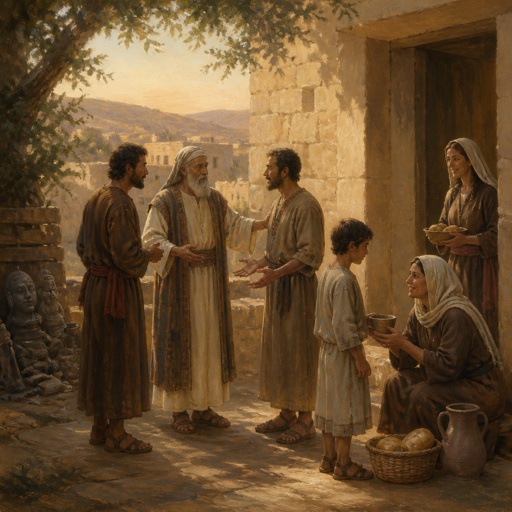
"For if you truly amend your ways and your deeds, if you truly execute justice one with another, if you do not oppress the stranger, the orphan, or the widow, or shed innocent blood in this place, and if you do not go after other gods to your own harm." - Jeremiah 7:5-6
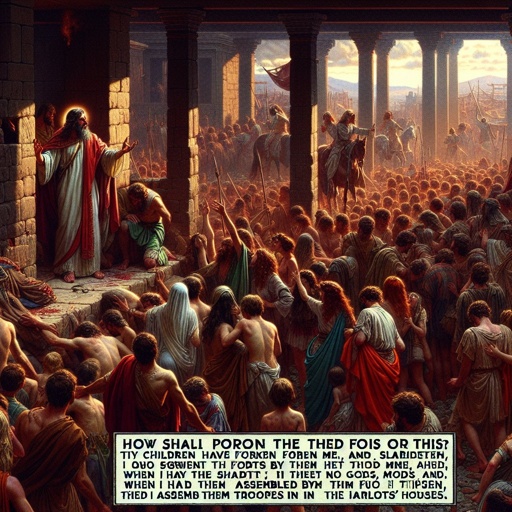
Jeremiah 5:7 - "¶ How shall I pardon thee for this? thy children have forsaken me, and sworn by them that are no gods: when I had fed them to the full, they then committed adultery, and assembled themselves by troops in the harlots' houses."

Jeremiah 7:1 - "The word that came to Jeremiah from the LORD, saying,"

Jeremiah 42:7 - "¶ And it came to pass after ten days, that the word of the LORD came unto Jeremiah."

Jeremiah 10:5

Jeremiah 26:7 - "So the priests and the prophets and all the people heard Jeremiah speaking these words in the house of the LORD."

Jeremiah 36:5 - "And Jeremiah commanded Baruch, saying, I am shut up; I cannot go into the house of the LORD:"

Prophet Jeremiah 1:5

Jeremiah 17:7-8

Jeremiah 28:5 - "Then the prophet Jeremiah said unto the prophet Hananiah in the presence of the priests, and in the presence of all the people that stood in the house of the LORD,"

Jeremiah 17:7-8

Jeremiah 17:7-8

Jeremiah 17:7-8

"The word that came to Jeremiah from the LORD, saying," - Jeremiah 7:1

Jeremiah 7:7 - "Then will I cause you to dwell in this place, in the land that I gave to your fathers, for ever and ever."

Jeremiah 18:5 - "Then the word of the LORD came to me, saying,"

Jeremiah 5:30 - "¶ A wonderful and horrible thing is committed in the land;"

Jeremiah 42:7 And it happened after ten days that the word of the Lord came to Jeremiah.

Jeremiah 5:20 - "Declare this in the house of Jacob, and publish it in Judah, saying,"

Jeremiah 5:16 - "Their quiver is as an open sepulchre, they are all mighty men."

Jeremiah 42:7 And it happened after ten days that the word of the Lord came to Jeremiah.

Jeremiah 5:2 - "And though they say, The LORD liveth; surely they swear falsely."

Jeremiah 5:23 - "But this people hath a revolting and a rebellious heart; they are revolted and gone."

Jeremiah 17:7 - "Blessed is the man that trusteth in the LORD, and whose hope the LORD is."

Jeremiah 7:8 - "¶ Behold, ye trust in lying words, that cannot profit."

Jeremiah 38:7 - "¶ Now when Ebed-melech the Ethiopian, one of the eunuchs which was in the king's house, heard that they had put Jeremiah in the dungeon; the king then sitting in the gate of Benjamin;"

Jeremiah 13:5 - "So I went, and hid it by Euphrates, as the LORD commanded me."