What does Job 1:17 mean?
"While he was yet speaking, there came also another, and said, The Chaldeans made out three bands, and fell upon the camels, and have carried them away, yea, and slain the servants with the edge of the sword; and I only am escaped alone to tell thee." - Job 1:17
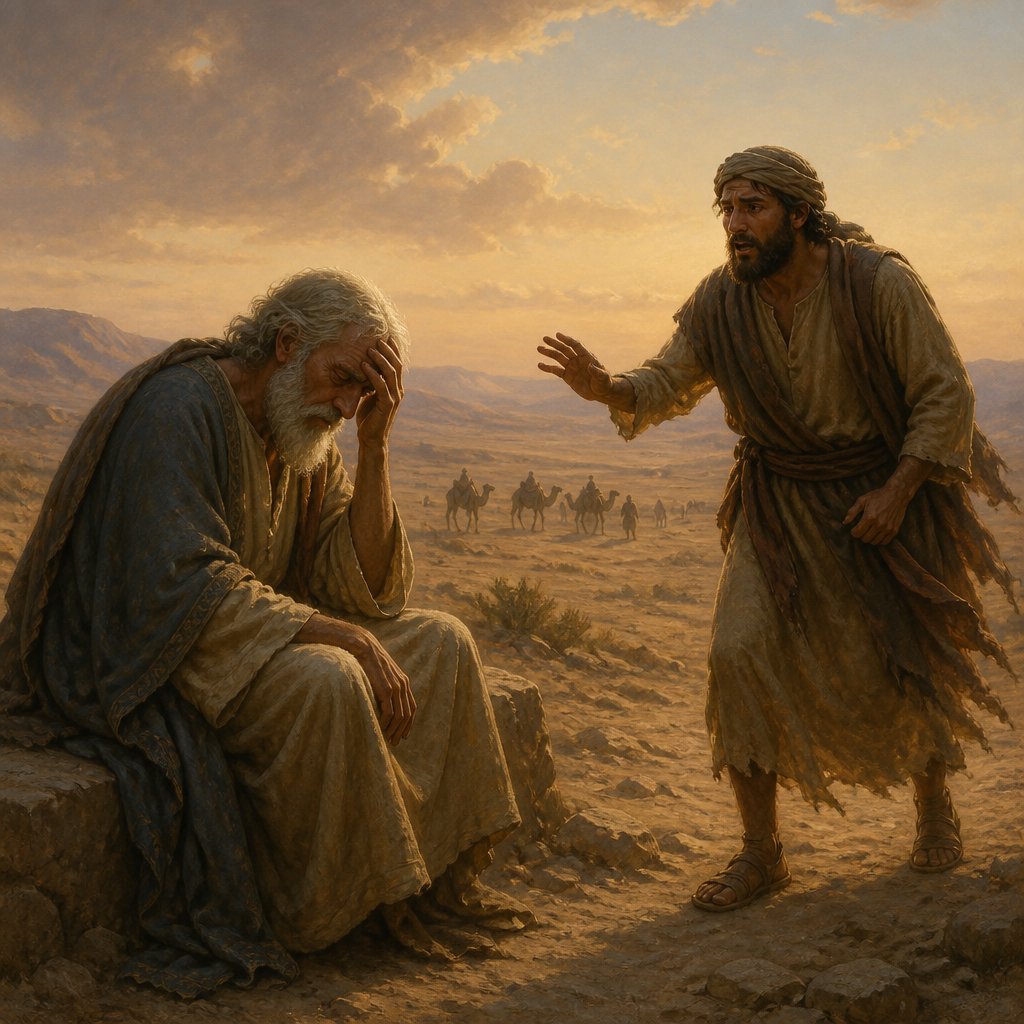
Job 1:17 in the King James Version of the Bible reads, "While he was yet speaking, there came also another, and said, The Chaldeans made out three bands, and fell upon the camels, and have carried them away, yea, and slain the servants with the edge of the sword; and I only am escaped alone to tell thee." This verse is part of the larger narrative in the Book of Job, which tells the story of a man who faces immense suffering and loss.
The Book of Job is often considered one of the most profound and challenging books in the Bible. It deals with profound questions about the nature of suffering, the justice of God, and the faith of humanity. The story revolves around Job, a righteous and wealthy man who faces a series of tragedies that test his faith and his understanding of God's justice.
In Job 1:17, we see another layer of the trials that Job must endure. Just as Job is still reeling from the news of his livestock and servants being destroyed by fire from heaven, another messenger arrives to inform him that the Chaldeans have attacked and stolen his camels, along with killing the servants tending to them. The suddenness and severity of these tragedies are overwhelming, and we can imagine Job feeling a deep sense of despair and loss.
The Chaldeans were a warlike and predatory tribe from the region of Babylonia, known for their skill in warfare and raiding. Their attack on Job's property and servants adds a new dimension to his suffering, as it shows the extent of the external threats and dangers that he must face. The fact that the Chaldeans also killed the servants with the edge of the sword further emphasizes the brutal and violent nature of their attack.
This verse highlights the theme of undeserved suffering, which is central to the story of Job. Job is a righteous man, yet he experiences unbearable losses and pain. This challenges the traditional understanding of divine justice, as it seems unjust for a good and blameless man to endure such extreme hardship. It forces us to grapple with the question of why bad things happen to good people, and whether there is any meaning or purpose to be found in suffering.
The context of this verse is also important to consider. Job 1:17 is part of a series of devastating events that befall Job in quick succession. In the larger narrative, these tragedies serve as a test of Job's faith and resilience. They push him to his limits and force him to confront the limitations of his understanding of God and the world. As the story unfolds, Job's suffering becomes a catalyst for profound spiritual growth and revelation.
Symbolically, the camels in this verse represent wealth, status, and material possessions. In biblical times, camels were valuable assets for trade and transportation, and owning a large number of camels was a sign of prosperity. The fact that the Chaldeans targeted Job's camels represents a direct assault on his material well-being, further stripping him of his earthly security and comfort.
Overall, Job 1:17 encapsulates the overwhelming and unrelenting nature of Job's suffering. It serves as a powerful reminder of the unpredictability and unfairness of life, and the challenges of maintaining faith and trust in the midst of adversity. Through the story of Job, we are invited to wrestle with the deepest and most difficult questions about the nature of suffering, the justice of God, and the resilience of the human spirit. It challenges us to confront our own understanding of suffering and to seek wisdom and understanding in the face of inexplicable pain.
Have questions about Job 1:17?
Dive deeper into this scripture with Bible Chat — an AI-powered tool for exploring God's Word through conversation. Ask questions, get context, and grow in your understanding of the Bible.
Get Our Apps


Job 1:17 Artwork

Job 1:17 - "While he was yet speaking, there came also another, and said, The Chaldeans made out three bands, and fell upon the camels, and have carried them away, yea, and slain the servants with the edge of the sword; and I only am escaped alone to tell thee."
"While he was yet speaking, there came also another, and said, The Chaldeans made out three bands, and fell upon the camels, and have carried them away, yea, and slain the servants with the edge of the sword; and I only am escaped alone to tell thee." - Job 1:17

Job 1:7

Job 1:7

Job 1:7

Job 17:1 - "My breath is corrupt, my days are extinct, the graves are ready for me."

Job 42:17 - "So Job died, being old and full of days."

Job 1:7 - "And the LORD said unto Satan, Whence comest thou? Then Satan answered the LORD, and said, From going to and fro in the earth, and from walking up and down in it."
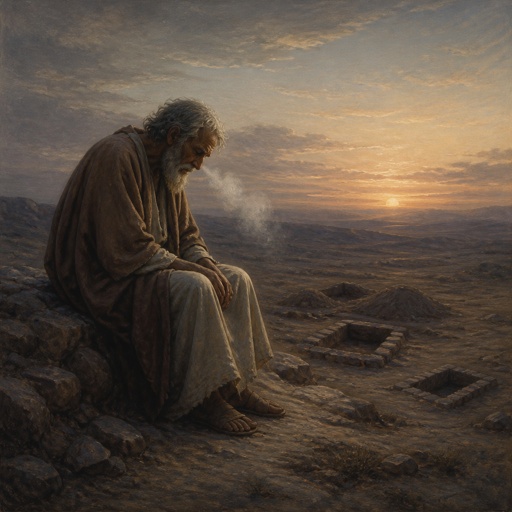
"My breath is corrupt, my days are extinct, the graves are ready for me." - Job 17:1

"So Job died, being old and full of days." - Job 42:17

Job 3:17 - "There the wicked cease from troubling; and there the weary be at rest."

Job 17:12 - "They change the night into day: the light is short because of darkness."

Job 41:17 - "They are joined one to another, they stick together, that they cannot be sundered."

Job 17:2 - "Are there not mockers with me? and doth not mine eye continue in their provocation?"

Job 8:17 - "His roots are wrapped about the heap, and seeth the place of stones."

Job 12:17 - "He leadeth counsellors away spoiled, and maketh the judges fools."

Job 20:17 - "He shall not see the rivers, the floods, the brooks of honey and butter."

Job 16:17 - "Not for any injustice in mine hands: also my prayer is pure."

Job 13:17 - "Hear diligently my speech, and my declaration with your ears."

Job 17:15 - "And where is now my hope? as for my hope, who shall see it?"

Job 9:17 - "For he breaketh me with a tempest, and multiplieth my wounds without cause."

Job 29:17 - "And I brake the jaws of the wicked, and plucked the spoil out of his teeth."

Job 28:17 - "The gold and the crystal cannot equal it: and the exchange of it shall not be for jewels of fine gold."

Job 6:17 - "What time they wax warm, they vanish: when it is hot, they are consumed out of their place."

Job 31:17 - "Or have eaten my morsel myself alone, and the fatherless hath not eaten thereof;"

Job 17:6 - "He hath made me also a byword of the people; and aforetime I was as a tabret."

Job 17:7 - "Mine eye also is dim by reason of sorrow, and all my members are as a shadow."

Job 30:17 - "My bones are pierced in me in the night season: and my sinews take no rest."

Job 36:17 - "But thou hast fulfilled the judgment of the wicked: judgment and justice take hold on thee."

Job 17:16 - "They shall go down to the bars of the pit, when our rest together is in the dust."