What does Job 11:3 mean?
"Should thy lies make men hold their peace? and when thou mockest, shall no man make thee ashamed?" - Job 11:3
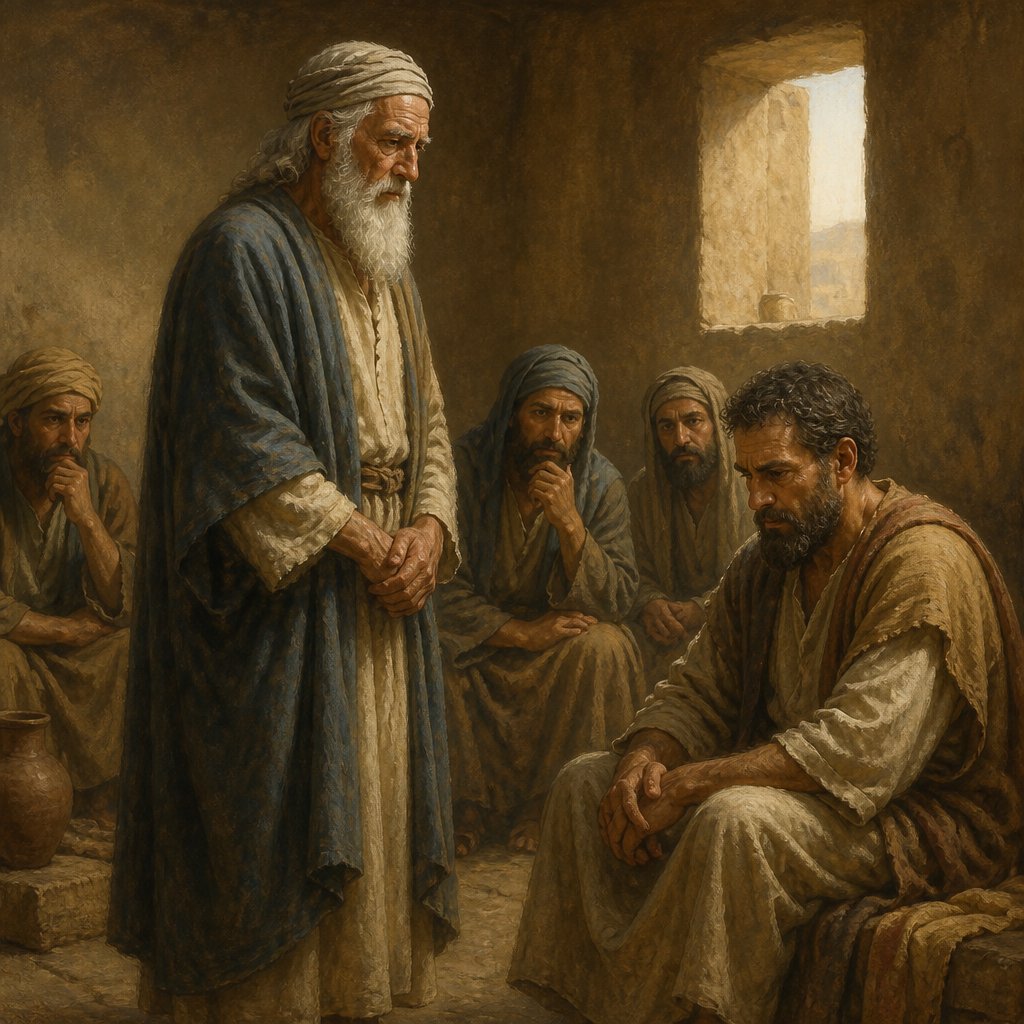
Job 11:3 in the King James Version of the Bible reads, "Should thy lies make men hold their peace? and when thou mockest, shall no man make thee ashamed?" This verse comes from the book of Job, one of the wisdom books in the Old Testament. Job is a righteous man who experiences immense suffering and loss, and the book explores deep questions about the nature of suffering, God's justice, and the human experience.
In the context of this particular verse, it is part of a conversation between Job and his friend Zophar. Zophar, along with Job's other friends Eliphaz and Bildad, has come to visit Job in his time of suffering. However, instead of offering comfort and support, they each take turns speaking to Job and questioning his righteousness in the face of his suffering. Zophar's words in Job 11:3 are part of his attempt to challenge Job's innocence and righteousness.
The meaning and commentary of Job 11:3 can be understood in several ways. On a basic level, these words express Zophar's disbelief in Job's innocence. He accuses Job of spreading lies and mocking without shame, and questions whether Job's lies should cause others to hold their peace. Zophar is essentially accusing Job of being dishonest and defiant in the face of his suffering, and he implies that Job's actions should warrant a response from others.
However, in the broader context of the book of Job, Zophar's words and accusations serve as a reflection of the common human tendency to judge and condemn those who are suffering. Throughout the book, Job's friends represent the conventional wisdom of the time, which held that suffering was a direct result of sin and moral failure. In their attempts to rationalize Job's suffering, they each take turns attributing his misfortune to his supposed moral failings. Zophar's words in Job 11:3 are part of this pattern of judgment and condemnation.
In addition to the immediate context of Job's suffering and his friends' responses, Job 11:3 also points to the broader theme of the human tendency to pass judgment and speak out of turn. Zophar's accusatory words towards Job reflect a lack of empathy, understanding, and humility. His willingness to condemn and question Job's integrity without fully understanding the depth of his suffering speaks to the self-righteousness and pride that often characterize human interactions.
Moreover, the symbolism in Job 11:3 can be seen in the broader themes of the book of Job. Job's suffering and his friends' responses serve as a powerful exploration of the complexity of human suffering and the limitations of human understanding. While Job's friends rush to offer explanations and assign blame, Job himself wrestles with deep uncertainty and longing for answers. Job's story ultimately challenges the simplistic views of suffering and justice that his friends represent, and it points to the profound mystery of God's ways and the limitations of human wisdom.
In conclusion, Job 11:3 in the King James Version of the Bible offers a window into the complexities of human suffering, judgment, and the limitations of human understanding. Zophar's accusatory words towards Job reflect the common human tendencies to judge and condemn, and they serve as a reminder of the importance of humility, empathy, and the recognition of the mystery of suffering. The verse also highlights the broader themes of the book of Job, including the nature of suffering, the question of God's justice, and the wisdom of human understanding.
Have questions about Job 11:3?
Dive deeper into this scripture with Bible Chat — an AI-powered tool for exploring God's Word through conversation. Ask questions, get context, and grow in your understanding of the Bible.
Get Our Apps


Job 11:3 Artwork

Job 11:3 - "Should thy lies make men hold their peace? and when thou mockest, shall no man make thee ashamed?"
"Should thy lies make men hold their peace? and when thou mockest, shall no man make thee ashamed?" - Job 11:3
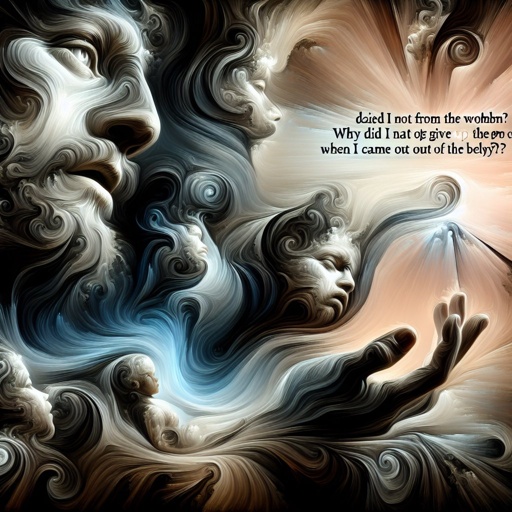
Job 3:11 - "Why died I not from the womb? why did I not give up the ghost when I came out of the belly?"

Job 3:2 - "And Job spake, and said,"

Job 40:3 - "¶ Then Job answered the LORD, and said,"

Job 3:1 - "After this opened Job his mouth, and cursed his day."

"And Job spake, and said," - Job 3:2

Job 11:11 - "For he knoweth vain men: he seeth wickedness also; will he not then consider it?"

Job 2:11-13

"¶ Then Job answered the LORD, and said," - Job 40:3

Job 2:11-13

Job 2:11-13

Job 1:3

Job 28:3

Job 1:3

Job 11:1 - "Then answered Zophar the Naamathite, and said,"

Job 28:3

Job 28:3

Job 1:3

Job 3:20-21 - "Job 3:20-21: Why is light given to those in misery, and life to the bitter of soul, to those who long for death that does not come, who search for it more than for hidden treasure?"

Job 26:11 - "The pillars of heaven tremble and are astonished at his reproof."

Job 31:11 - "For this is an heinous crime; yea, it is an iniquity to be punished by the judges."

"Why died I not from the womb? why did I not give up the ghost when I came out of the belly?" - Job 3:11

Job 1:3 no words

Job 32:3 - "Also against his three friends was his wrath kindled, because they had found no answer, and yet had condemned Job."

Job 22:11 - "Or darkness, that thou canst not see; and abundance of waters cover thee."

Job 15:11 - "Are the consolations of God small with thee? is there any secret thing with thee?"

Job 3:3 - "Let the day perish wherein I was born, and the night in which it was said, There is a man child conceived."

Job 21:11 - "They send forth their little ones like a flock, and their children dance."

Job 12:11 - "Doth not the ear try words? and the mouth taste his meat?"