What does Job 11:17 mean?
“And thine age shall be clearer than the noonday; thou shalt shine forth, thou shalt be as the morning.” — Job 11:17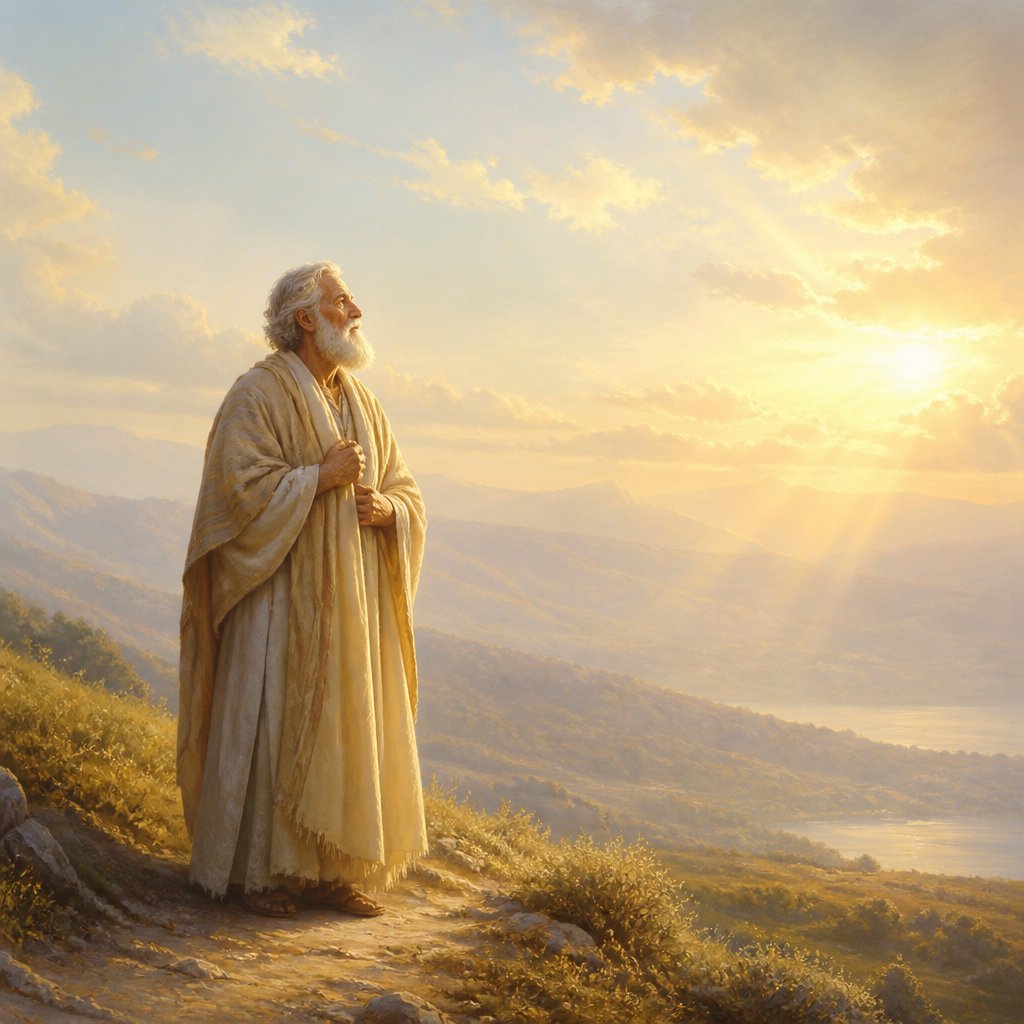
Job 11:17 (KJV) states, "And thine age shall be clearer than the noonday; thou shalt shine forth, thou shalt be as the morning." This verse is part of a larger conversation between Job and his friend Zophar. Zophar is responding to Job's lamentations and accusations against God, offering what he believes to be wise and comforting words.
The verse speaks to the idea of clarity and brightness in one's later years. It expresses a belief in the potential for personal growth and spiritual enlightenment as one ages. The imagery of the noonday sun and the morning light conveys a sense of hope and renewal, suggesting that even in the darkest of times, there is the promise of a brighter future.
In the context of the Book of Job, this verse is especially meaningful. Job is a righteous man who has suffered great loss and hardship, and he is grappling with the question of why a just and loving God would allow such suffering to occur. His friends, including Zophar, have come to comfort him, but their words often come across as harsh and unsympathetic.
Zophar's words in this verse seem to be an attempt to encourage Job, to remind him that there is still hope for a better future. Zophar is urging Job to trust in God's plan and to believe that his suffering is not the end of his story. The image of shining forth and being as the morning suggests a sense of renewal and transformation, indicating that even in the darkest of times, there is still the potential for growth and beauty.
The themes present in this verse are ones of hope and resilience. It speaks to the idea of finding strength and clarity in the midst of adversity, and it encourages the reader to have faith in the possibility of a brighter future. This verse can be seen as a reminder that even in the most difficult and trying times, there is still the potential for growth and renewal.
Symbolically, the imagery of light and darkness in this verse is powerful. The noonday sun and the morning light are both symbols of clarity, enlightenment, and hope. They represent the idea of emerging from darkness into brightness, and the potential for new beginnings. In the context of Job's suffering, this symbolism is especially poignant, as it suggests that even in the midst of despair, there is still the potential for light and clarity.
In a broader sense, this verse can be seen as a reminder of the cyclical nature of life. The image of the morning suggests the possibility of new beginnings and fresh starts, while the noonday sun represents the height of one's life and experiences. This verse encourages the reader to embrace the journey of life, to find strength and hope in the face of adversity, and to have faith in the potential for growth and renewal.
In conclusion, Job 11:17 (KJV) is a verse that offers a message of hope and renewal in the midst of suffering. It encourages the reader to find strength in the face of adversity and to have faith in the potential for a brighter future. The imagery of light and darkness in this verse conveys a powerful message of resilience and growth, and it reminds the reader of the cyclical nature of life. Overall, this verse is a powerful and comforting reminder of the potential for hope and renewal, even in the darkest of times.
Get our apps


Artwork for Job 11:17

Job 11:17 - "And thine age shall be clearer than the noonday; thou shalt shine forth, thou shalt be as the morning."
"And thine age shall be clearer than the noonday; thou shalt shine forth, thou shalt be as the morning." - Job 11:17

Job 17:11 - "My days are past, my purposes are broken off, even the thoughts of my heart."
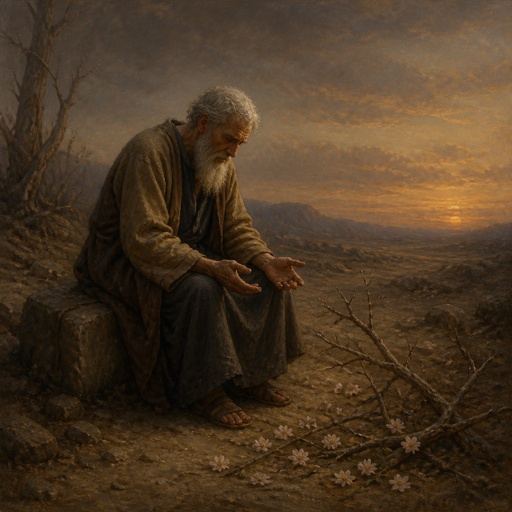
"My days are past, my purposes are broken off, even the thoughts of my heart." - Job 17:11

Job 42:17 - "So Job died, being old and full of days."

"So Job died, being old and full of days." - Job 42:17

Job 11:11 - "For he knoweth vain men: he seeth wickedness also; will he not then consider it?"

Job 3:17 - "There the wicked cease from troubling; and there the weary be at rest."

Job 2:11-13

Job 2:11-13

Job 2:11-13

Job 17:12 - "They change the night into day: the light is short because of darkness."

Job 41:17 - "They are joined one to another, they stick together, that they cannot be sundered."

Job 17:2 - "Are there not mockers with me? and doth not mine eye continue in their provocation?"

Job 11:1 - "Then answered Zophar the Naamathite, and said,"

Revelation 1:7

Job 8:17 - "His roots are wrapped about the heap, and seeth the place of stones."

Job 12:17 - "He leadeth counsellors away spoiled, and maketh the judges fools."

Job 20:17 - "He shall not see the rivers, the floods, the brooks of honey and butter."

Job 16:17 - "Not for any injustice in mine hands: also my prayer is pure."

Job 13:17 - "Hear diligently my speech, and my declaration with your ears."

Job 17:15 - "And where is now my hope? as for my hope, who shall see it?"

Job 26:11 - "The pillars of heaven tremble and are astonished at his reproof."

Job 9:17 - "For he breaketh me with a tempest, and multiplieth my wounds without cause."

Job 17:1 - "My breath is corrupt, my days are extinct, the graves are ready for me."

Job 29:17 - "And I brake the jaws of the wicked, and plucked the spoil out of his teeth."

Job 28:17 - "The gold and the crystal cannot equal it: and the exchange of it shall not be for jewels of fine gold."

Ephesians 1:7

Ephesians 1:7

Job 31:11 - "For this is an heinous crime; yea, it is an iniquity to be punished by the judges."