What does Job 11:8 mean?
“It is as high as heaven; what canst thou do? deeper than hell; what canst thou know?” — Job 11:8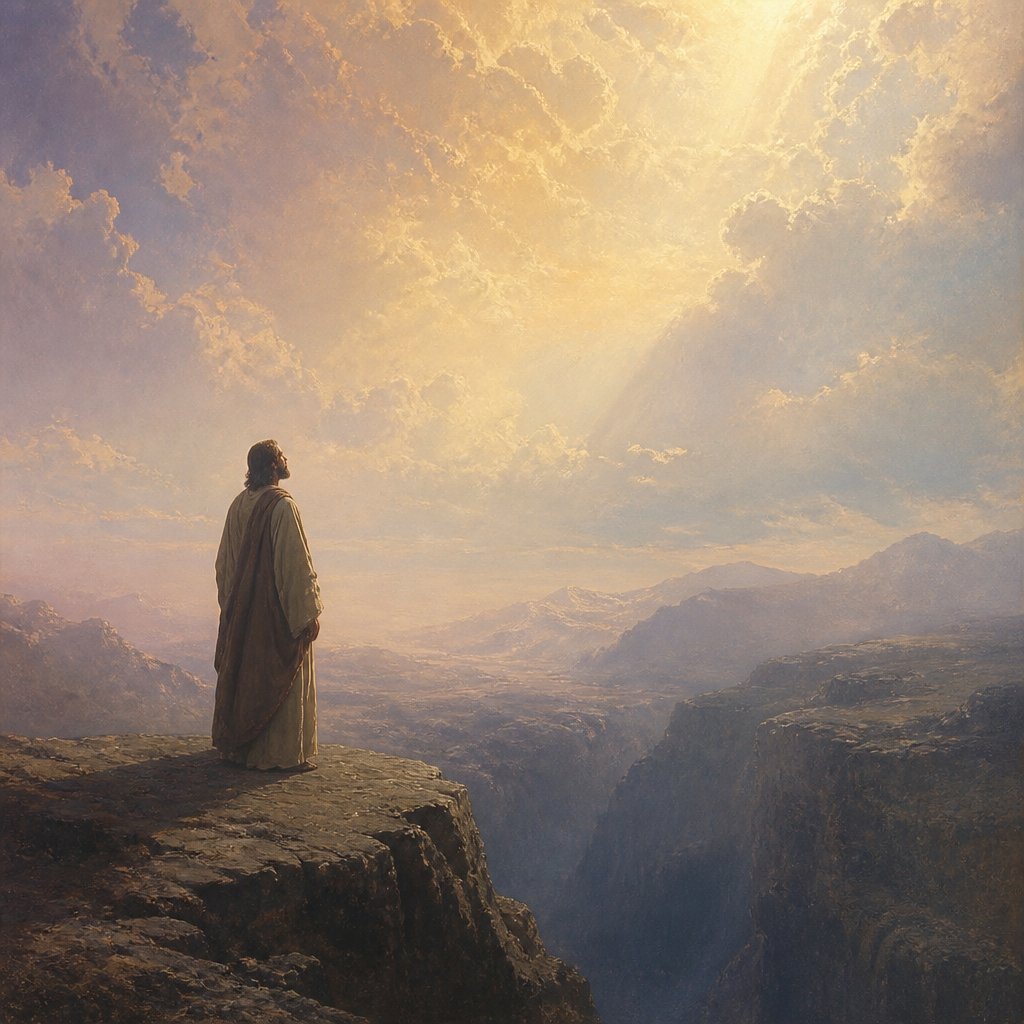
Job 11:8 in the King James Version of the Bible reads, "It is as high as heaven; what canst thou do? deeper than hell; what canst thou know?" This verse is part of a speech given by one of Job's friends, Zophar, as he attempts to convince Job to repent and seek forgiveness from God. Zophar's speech is one of several in the book of Job that offers advice and counsel to Job, who has been suffering greatly and questioning why such terrible things have happened to him despite his righteousness.
The theme of this verse centers around the incomprehensibility of God's ways and the limitations of human understanding. Zophar is essentially telling Job that God's knowledge and wisdom are beyond human comprehension, and that it is not for Job to question or understand the reasons for his suffering. This theme of the mysterious and unfathomable nature of God's ways is a recurring motif in the book of Job, and is echoed in several other passages throughout the book.
The context of this verse is important for understanding its significance. Job, a wealthy and devout man, has been struck by a series of calamities, including the loss of his wealth, the deaths of his children, and his own physical afflictions. In his suffering, Job questions why such terrible things have happened to him despite his faithfulness to God. His friends, including Zophar, come to comfort and counsel him, but their advice is often harsh and unhelpful, focusing on the idea that Job must have somehow brought this suffering upon himself through sin. This verse is part of Zophar's attempt to convince Job of the incomprehensibility of God's ways and the futility of questioning or challenging them.
The symbolism in this verse lies in the imagery of height and depth used to describe the unknowable nature of God. The reference to heaven and hell symbolizes the vastness and profoundness of God's wisdom and knowledge. Heaven is often depicted as the dwelling place of God and the angels, a place of transcendence and divine presence. By describing God's knowledge as being "as high as heaven," Zophar is emphasizing its unattainable nature for humans. Similarly, the mention of hell, as the opposite extreme, reinforces the idea that God's wisdom is deeper and more profound than anything humans can comprehend. The use of these extreme and contrasting symbols serves to underscore the point that the human mind is limited in its ability to grasp the fullness of God's knowledge and understanding.
From a theological standpoint, this verse raises important questions about the nature of God and the relationship between humans and the divine. It speaks to the fundamental mystery and transcendence of God, as well as the limitations of human knowledge and understanding. The verse challenges the reader to reflect on the vastness and complexity of the divine, and to consider the proper attitude of humility and reverence in the face of such incomprehensibility.
In conclusion, Job 11:8 in the King James Version of the Bible is a profound and thought-provoking passage that addresses the incomprehensibility of God's ways and the limitations of human understanding. Its theme of the mysterious and unfathomable nature of God's wisdom is central to the larger theological and philosophical questions raised in the book of Job. The verse's context, imagery, and symbolism all contribute to its rich and complex meaning, inviting the reader to contemplate the profound mystery of the divine and the proper posture of humility and reverence in response.
Get our apps


Artwork for Job 11:8

Job 11:8 - "It is as high as heaven; what canst thou do? deeper than hell; what canst thou know?"
"It is as high as heaven; what canst thou do? deeper than hell; what canst thou know?" - Job 11:8

Job 8:11 - "Can the rush grow up without mire? can the flag grow without water?"
"Can the rush grow up without mire? can the flag grow without water?" - Job 8:11

Job 1:8

Job 11:11 - "For he knoweth vain men: he seeth wickedness also; will he not then consider it?"

Job 2:11-13

Job 8:8 - "For enquire, I pray thee, of the former age, and prepare thyself to the search of their fathers:"

Job 2:11-13

Job 2:11-13

Job 11:1 - "Then answered Zophar the Naamathite, and said,"

Job 8:1 - "Then answered Bildad the Shuhite, and said,"

Job 37:8 - "Then the beasts go into dens, and remain in their places."

Job 26:11 - "The pillars of heaven tremble and are astonished at his reproof."

Job 36:8 - "And if they be bound in fetters, and be holden in cords of affliction;"

Job 31:11 - "For this is an heinous crime; yea, it is an iniquity to be punished by the judges."

Job 8:19 - "Behold, this is the joy of his way, and out of the earth shall others grow."

Job 21:8 - "Their seed is established in their sight with them, and their offspring before their eyes."

Job 32:8 - "But there is a spirit in man: and the inspiration of the Almighty giveth them understanding."

Job 22:11 - "Or darkness, that thou canst not see; and abundance of waters cover thee."

Job 15:11 - "Are the consolations of God small with thee? is there any secret thing with thee?"

Job 24:8 - "They are wet with the showers of the mountains, and embrace the rock for want of a shelter."

Job 13:8 - "Will ye accept his person? will ye contend for God?"

Job 21:11 - "They send forth their little ones like a flock, and their children dance."

Job 12:11 - "Doth not the ear try words? and the mouth taste his meat?"

Job 11:9 - "The measure thereof is longer than the earth, and broader than the sea."

Job 14:11 - "As the waters fail from the sea, and the flood decayeth and drieth up:"

Job 28:8 - "The lion's whelps have not trodden it, nor the fierce lion passed by it."

Job 27:11 - "I will teach you by the hand of God: that which is with the Almighty will I not conceal."

Job 36:11 - "If they obey and serve him, they shall spend their days in prosperity, and their years in pleasures."