What does Job 13:20 mean?
“Only do not two things unto me: then will I not hide myself from thee.” — Job 13:20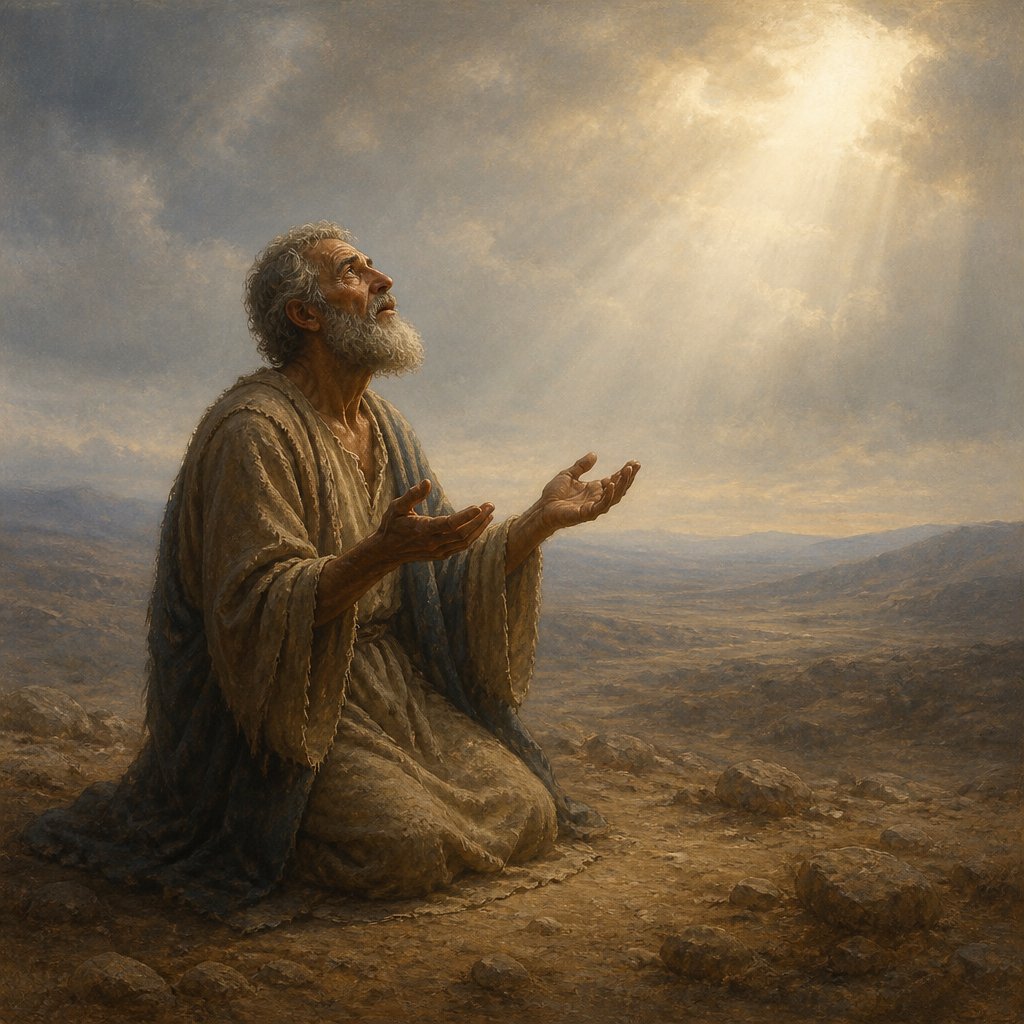
Job 13:20 (KJV) – "Only do not two things unto me: then will I not hide myself from thee."
This verse comes from the book of Job, which is one of the books in the Old Testament of the Bible. Job is a biblical figure who experiences extreme suffering and loss, and this verse is part of a larger conversation he has with God and his friends as he struggles to make sense of his circumstances. The verse itself is a plea from Job to God, asking for two things to not be done to him so that he will not feel the need to hide from God.
The book of Job is often considered to explore themes of suffering, faith, and the nature of God. In the context of this verse, we see Job expressing the depth of his anguish and seeking some relief from his suffering. The verse also serves as a reminder of the complex and often difficult relationship between humans and the divine.
The first thing Job asks God not to do to him is to "withdraw thine hand far from me." This can be interpreted as a plea for God to not remove His presence from Job's life. In the midst of his suffering, Job is expressing a profound fear of feeling abandoned by God. This request speaks to the deep human desire for a sense of connectiveness and closeness to a higher power, especially in times of distress.
The second thing Job asks for is for God to "let not thy dread make me afraid." Here, Job is asking God not to fill him with a sense of dread or terror. It is a plea for relief from the overwhelming fear and anxiety that has consumed him. This also reflects the universal human experience of seeking peace and comfort in the face of overwhelming emotions and circumstances.
Overall, this verse captures the desperation and vulnerability of Job as he grapples with the enormity of his suffering. It speaks to the deep human need for connection, comfort, and understanding in the face of adversity.
Symbolically, this verse can be seen as a representation of the struggle to maintain faith and hope in the midst of great suffering. Job's plea reflects the tension between the desire for a close connection with the divine and the fear of being overwhelmed by the presence of God. In this way, the verse highlights the complex and often tumultuous nature of the relationship between humanity and the divine.
The broader context of the book of Job also sheds light on the meaning of this verse. Job's suffering is a central theme throughout the book, and his conversations with God and his friends are deeply philosophical and introspective. The verse serves as a poignant moment in Job's ongoing dialogue with God, portraying his raw emotional state and his struggle to make sense of his suffering.
In conclusion, Job 13:20 is a powerful and emotionally charged verse that captures the depth of human suffering and the yearning for solace and understanding. It reflects the complex dynamics of the relationship between humanity and the divine, as well as the universal desire for connection, comfort, and peace in times of great despair. Its themes of faith, suffering, and the nature of God make it a poignant and thought-provoking passage within the larger context of the book of Job.
Get our apps


Artwork for Job 13:20

Job 13:20 - "Only do not two things unto me: then will I not hide myself from thee."
"Only do not two things unto me: then will I not hide myself from thee." - Job 13:20

Job 20:13 - "Though he spare it, and forsake it not; but keep it still within his mouth:"
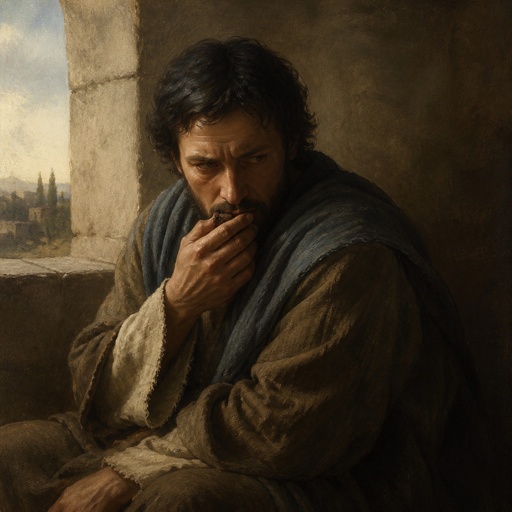
"Though he spare it, and forsake it not; but keep it still within his mouth:" - Job 20:13

Job 1:20

Job 1:20

Job 3:20-21 - "Job 3:20-21: Why is light given to those in misery, and life to the bitter of soul, to those who long for death that does not come, who search for it more than for hidden treasure?"

Job 1:20 - "Then Job arose, and rent his mantle, and shaved his head, and fell down upon the ground, and worshipped,"

Job 20:5 - "That the triumphing of the wicked is short, and the joy of the hypocrite but for a moment?"

Job 20:1 - "Then answered Zophar the Naamathite, and said,"

Job 20:20 - "Surely he shall not feel quietness in his belly, he shall not save of that which he desired."

Job 28:20 - "Whence then cometh wisdom? and where is the place of understanding?"

Job 2:11-13

Job 39:13-25

Job 2:11-13

Job 2:11-13

Job 36:20 - "Desire not the night, when people are cut off in their place."

Job 20:4 - "Knowest thou not this of old, since man was placed upon earth,"

Job 20:17 - "He shall not see the rivers, the floods, the brooks of honey and butter."

Luke 13:20-21

Luke 13:20-21

Job 13:13 - "Hold your peace, let me alone, that I may speak, and let come on me what will."

Luke 13:20-21

Luke 13:20-21
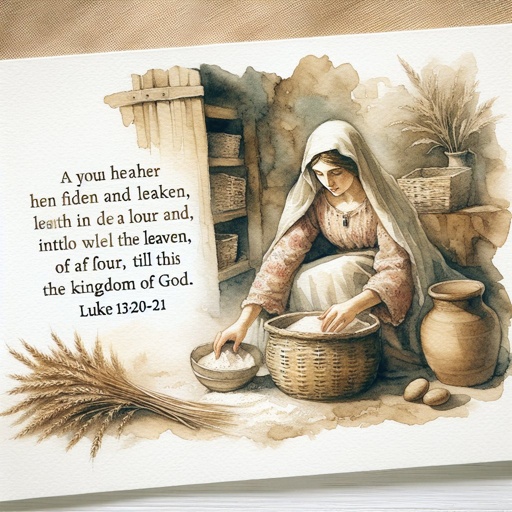
Luke 13:20-21

Genesis 46:13 - "¶ And the sons of Issachar; Tola, and Phuvah, and Job, and Shimron."

Job 4:20 - "They are destroyed from morning to evening: they perish for ever without any regarding it."

Job 3:20 - "Wherefore is light given to him that is in misery, and life unto the bitter in soul;"

Job 29:20 - "My glory was fresh in me, and my bow was renewed in my hand."

Job 22:20 - "Whereas our substance is not cut down, but the remnant of them the fire consumeth."