What does Job 13:21 mean?
“Withdraw thine hand far from me: and let not thy dread make me afraid.” — Job 13:21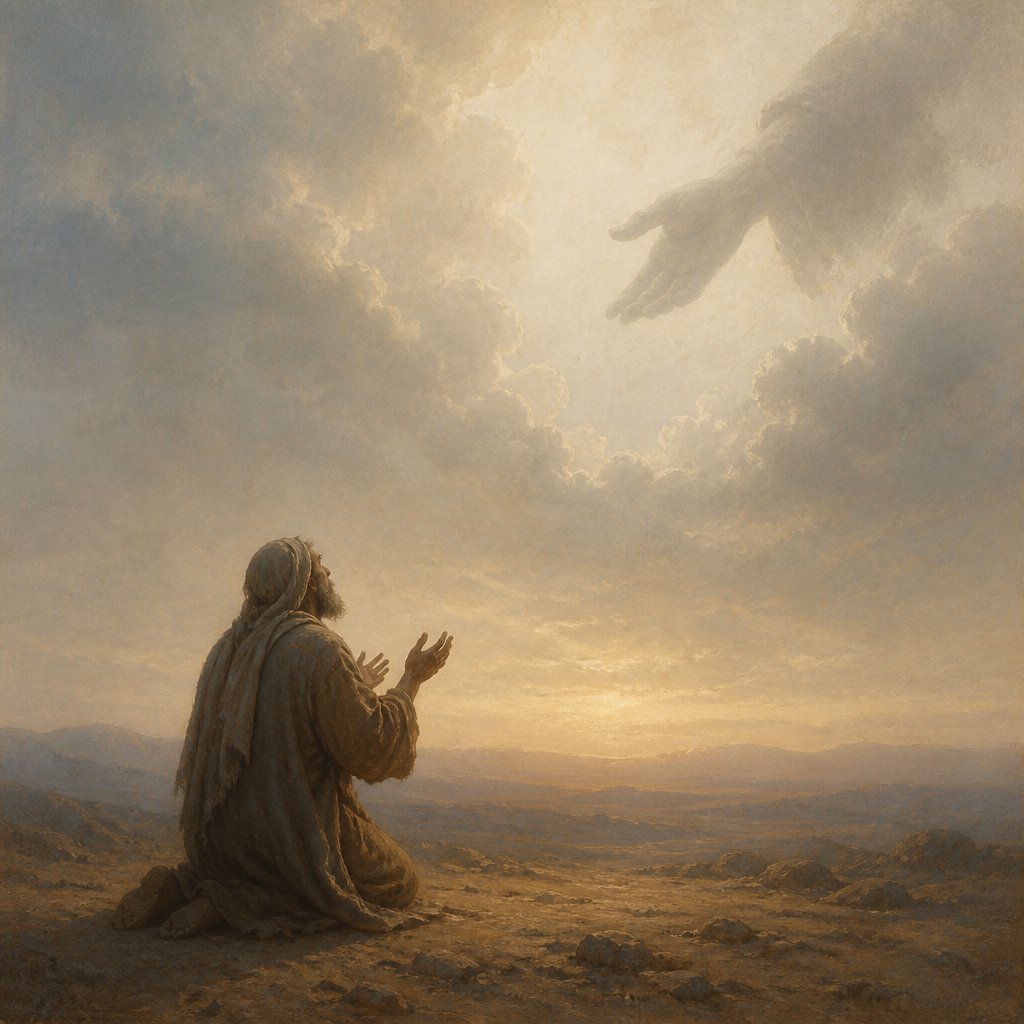
Job 13:21 from the King James Version of the Bible reads, "Withdraw thine hand far from me: and let not thy dread make me afraid." This verse is found in the book of Job, which is a part of the Old Testament. The book of Job is known for its exploration of the problem of suffering, the nature of God, and the concept of faith.
Contextually, Job 13:21 is part of a larger passage in which Job is expressing his frustration and despair over his suffering. Throughout the book of Job, he has experienced immense hardship and loss, including the deaths of his children, the destruction of his property, and his own physical afflictions. In this verse, Job is speaking directly to God, pleading with Him to remove the source of his suffering and not to let his fear of God's power overwhelm him.
The theme of suffering is central to the book of Job, and Job 13:21 reflects Job's desperate plea for relief. His suffering has been so great that he is begging for God to withdraw His hand from him, symbolizing the source of his affliction. Job's fear of God's power is also evident in this verse, as he asks God not to let His dread make him afraid. Job's emotional and spiritual struggle is a prominent theme throughout the book, and this verse demonstrates his deeply felt anguish and his struggle to reconcile his suffering with his faith in God.
The symbolism in Job 13:21 is rich and multi-layered. The image of God's hand represents His control and influence over Job's life. By asking for God to withdraw His hand, Job is essentially asking for relief from the suffering that he perceives as coming from God. This symbolizes the intensity of Job's pain and his longing for deliverance. Additionally, the idea of God's dread making Job afraid speaks to the magnitude of God's power and the overwhelming nature of divine presence. Job's fear is a natural reaction to the awesome and terrifying nature of God, and this fear adds another layer to his suffering.
Job 13:21 also raises important theological and philosophical questions about the nature of suffering and the relationship between humanity and God. Job's plea for relief and his fear of God's power touch on the age-old debate about the existence of evil and the problem of reconciling divine goodness with human suffering. The book of Job forces readers to grapple with these complex issues and to confront the limitations of human understanding in the face of divine mysteries.
In summary, Job 13:21 is a poignant and powerful verse that captures the depth of Job's suffering and his spiritual struggle. It reflects the overarching themes of suffering, fear, and the nature of God that permeate the book of Job. The rich symbolism and profound theological questions raised in this verse make it a compelling and thought-provoking passage that continues to resonate with readers today.
Get our apps


Artwork for Job 13:21

Job 13:21 - "Withdraw thine hand far from me: and let not thy dread make me afraid."
"Withdraw thine hand far from me: and let not thy dread make me afraid." - Job 13:21

Job 21:13 - "They spend their days in wealth, and in a moment go down to the grave."

Habakkuk 2:1-3
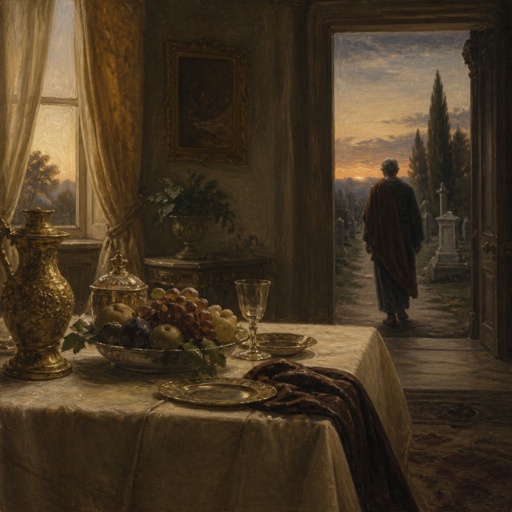
"They spend their days in wealth, and in a moment go down to the grave." - Job 21:13

Job 21:1 - "But Job answered and said,"

"But Job answered and said," - Job 21:1

Job 1:21

Job 1:21

Job 3:20-21 - "Job 3:20-21: Why is light given to those in misery, and life to the bitter of soul, to those who long for death that does not come, who search for it more than for hidden treasure?"

Job 21:21 - "For what pleasure hath he in his house after him, when the number of his months is cut off in the midst?"

Job 39:13-25

Job 2:11-13

Job 21:12 - "They take the timbrel and harp, and rejoice at the sound of the organ."

Job 21:8 - "Their seed is established in their sight with them, and their offspring before their eyes."

Job 21:2 - "Hear diligently my speech, and let this be your consolations."

Job 2:11-13

Job 2:11-13

Job 21:18 - "They are as stubble before the wind, and as chaff that the storm carrieth away."

Job 18:21 - "Surely such are the dwellings of the wicked, and this is the place of him that knoweth not God."

Job 21:24 - "His breasts are full of milk, and his bones are moistened with marrow."

Job 12:21 - "He poureth contempt upon princes, and weakeneth the strength of the mighty."

Luke 13:20-21

Luke 13:20-21
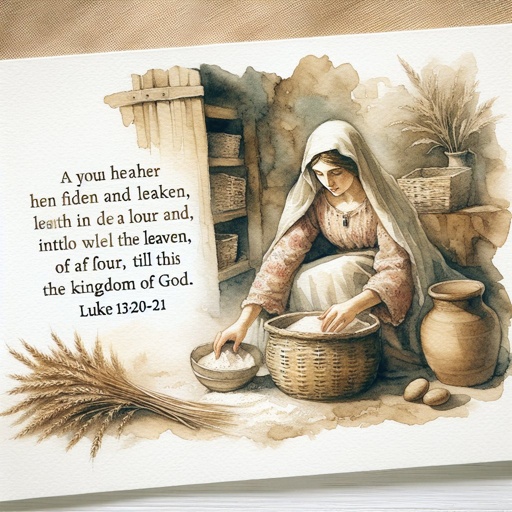
Luke 13:20-21

Job 21:11 - "They send forth their little ones like a flock, and their children dance."

Job 21:10 - "Their bull gendereth, and faileth not; their cow calveth, and casteth not her calf."

Job 21:16 - "Lo, their good is not in their hand: the counsel of the wicked is far from me."

Job 40:21 - "He lieth under the shady trees, in the covert of the reed, and fens."

Job 21:25 - "And another dieth in the bitterness of his soul, and never eateth with pleasure."