What does Job 13:26 mean?
“For thou writest bitter things against me, and makest me to possess the iniquities of my youth.” — Job 13:26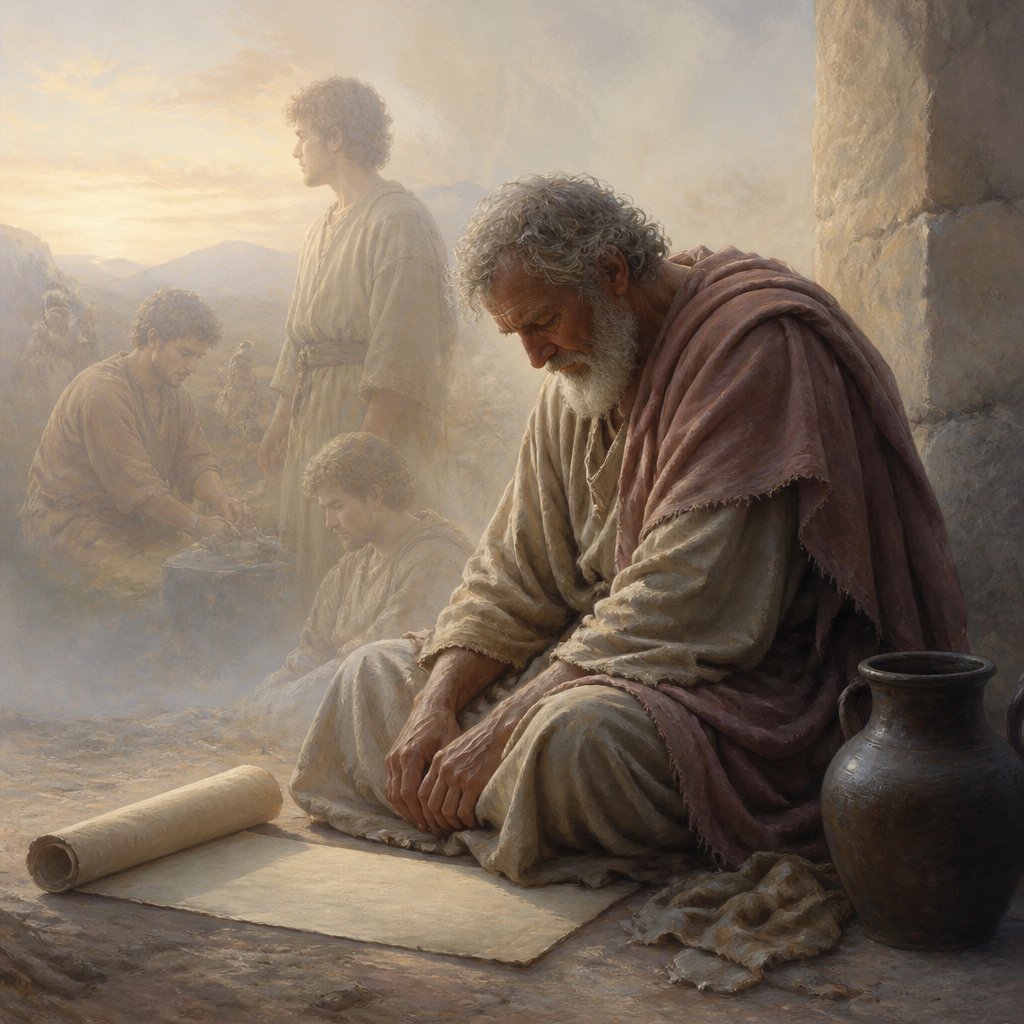
Job 13:26 (KJV) states, "For thou writest bitter things against me, and makest me to possess the iniquities of my youth." This verse comes from the book of Job, which is found in the Old Testament of the Bible. In this verse, Job is lamenting the harsh treatment he feels he is receiving from God. He feels as though God is bringing up his past mistakes and holding them against him, causing him to suffer for the sins of his youth.
The book of Job is a complex and profound exploration of the nature of suffering, the character of God, and the relationship between God and humanity. The main character, Job, is described as a righteous and blameless man who experiences a series of devastating trials and tribulations that test his faith and his understanding of God's justice and mercy. The verse in question comes in the midst of Job's impassioned plea to God to defend himself against the accusations and hardships he is facing.
The themes conveyed in this verse and the book of Job as a whole are profound and weighty. Firstly, the theme of suffering and the question of why the righteous suffer is a central concern. Job's suffering is not due to any specific wrongdoing on his part, and yet he is made to endure intense physical, emotional, and spiritual pain. This leads to profound questions about the nature of suffering and the fairness of God's actions.
Secondly, there is an exploration of the character of God and the way He interacts with humanity. Job feels as though God has turned against him, accusing him of sins from his youth and punishing him for actions that he believes he has repented of. This raises questions about God's justice and whether He is truly fair and compassionate in His dealings with His creation.
The verse also delves into the theme of guilt and forgiveness. Job feels burdened by the iniquities of his youth, as though God is not willing to release him from the weight of his past mistakes. This reflects a deep struggle with guilt and the need for forgiveness, as well as the desire for redemption and restoration.
In terms of the historical and cultural context of this verse, it is important to note that the book of Job is considered one of the oldest texts in the Bible. It is believed to have been written during the time of the patriarchs, possibly even before the birth of Moses. This ancient context adds depth and richness to the exploration of suffering and the human experience of God's presence and absence.
Symbolism in this verse can be found in the use of bitter things and the possession of iniquities. The bitterness represents the harshness and pain that Job feels he is experiencing from God, while the possession of iniquities symbolizes the burden and weight of sin that Job feels he is carrying. These symbols add to the emotional and spiritual depth of the verse, conveying the intense inner turmoil and anguish that Job is experiencing.
In conclusion, Job 13:26 is a powerful and poignant verse that touches on profound questions about suffering, God's character, guilt, and forgiveness. Its themes and symbolism resonate deeply with the human experience of grappling with adversity and seeking understanding and solace in the face of immense challenges. The book of Job continues to be a source of comfort, challenge, and reflection for believers and seekers alike, offering a timeless exploration of the human condition and the divine mysteries of faith.
Get our apps


Artwork for Job 13:26

Job 13:26 - "For thou writest bitter things against me, and makest me to possess the iniquities of my youth."
"For thou writest bitter things against me, and makest me to possess the iniquities of my youth." - Job 13:26

Job 26:13 - "By his spirit he hath garnished the heavens; his hand hath formed the crooked serpent."

Job 26:1 - "But Job answered and said,"

"By his spirit he hath garnished the heavens; his hand hath formed the crooked serpent." - Job 26:13

"But Job answered and said," - Job 26:1

Job 26:11 - "The pillars of heaven tremble and are astonished at his reproof."

Job 26:6 - "Hell is naked before him, and destruction hath no covering."

Job 9:26 - "They are passed away as the swift ships: as the eagle that hasteth to the prey."

Job 26:5 - "Dead things are formed from under the waters, and the inhabitants thereof."

Job 34:26 - "He striketh them as wicked men in the open sight of others;"

Job 38:26 - "To cause it to rain on the earth, where no man is; on the wilderness, wherein there is no man;"

Job 31:26 - "If I beheld the sun when it shined, or the moon walking in brightness;"

Job 28:26 - "When he made a decree for the rain, and a way for the lightning of the thunder:"

Job 21:26 - "They shall lie down alike in the dust, and the worms shall cover them."

Job 2:11-13

Job 39:13-25

Job 26:10 - "He hath compassed the waters with bounds, until the day and night come to an end."

Job 26:9 - "He holdeth back the face of his throne, and spreadeth his cloud upon it."

Job 6:26 - "Do ye imagine to reprove words, and the speeches of one that is desperate, which are as wind?"

Job 41:26 - "The sword of him that layeth at him cannot hold: the spear, the dart, nor the habergeon."

Job 39:26 - "Doth the hawk fly by thy wisdom, and stretch her wings toward the south?"

Job 26:4 - "To whom hast thou uttered words? and whose spirit came from thee?"

Job 2:11-13

Job 2:11-13

Job 26:12 - "He divideth the sea with his power, and by his understanding he smiteth through the proud."

Job 26:7 - "He stretcheth out the north over the empty place, and hangeth the earth upon nothing."

Job 26:8 - "He bindeth up the waters in his thick clouds; and the cloud is not rent under them."

Job 15:26 - "He runneth upon him, even on his neck, upon the thick bosses of his bucklers:"

Job 3:26 - "I was not in safety, neither had I rest, neither was I quiet; yet trouble came."