What does Job 14:6 mean?
"Turn from him, that he may rest, till he shall accomplish, as an hireling, his day." - Job 14:6
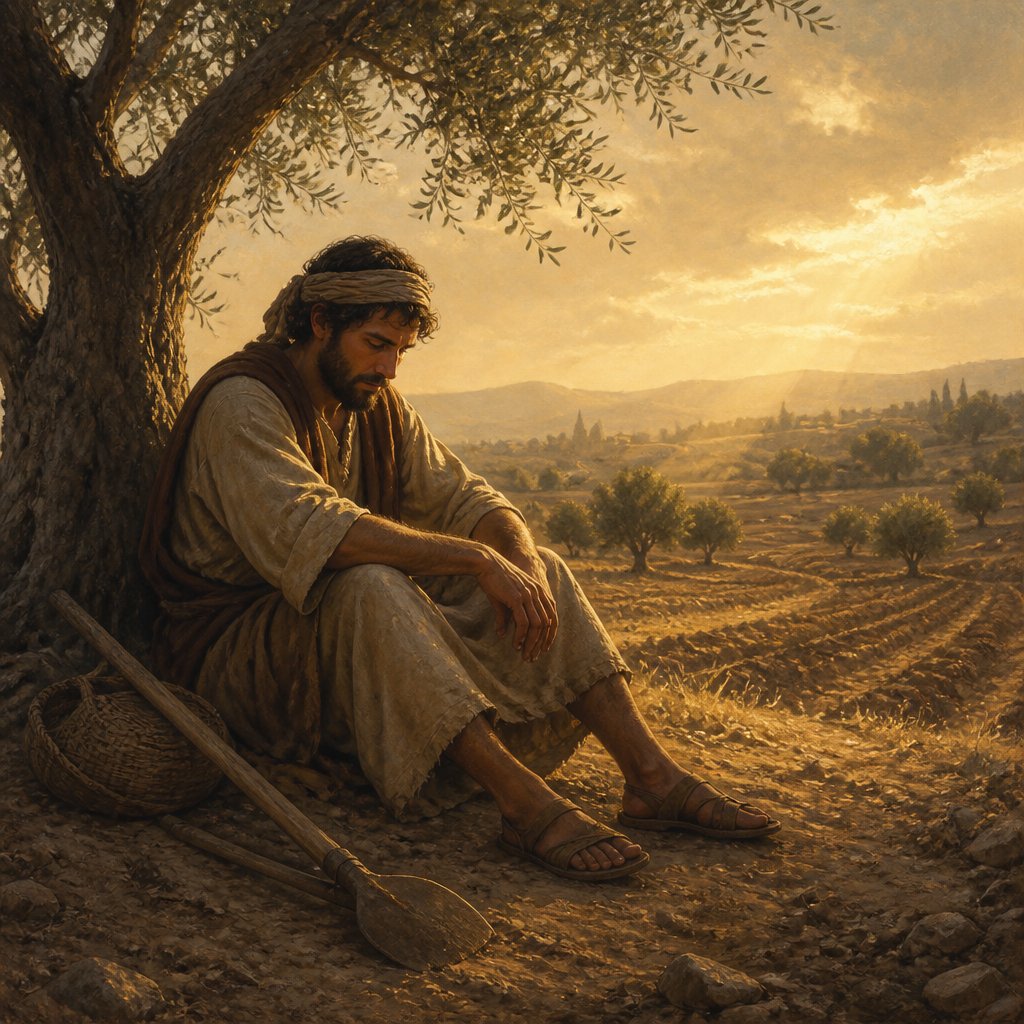
Job 14:6 in the King James Version of the Bible reads, "Turn from him, that he may rest, till he shall accomplish, as an hireling, his day." This verse comes from the Book of Job, which is a part of the Old Testament. The Book of Job is a complex and profound text that deals with the themes of suffering, faith, and the nature of God. In this particular verse, Job is expressing his feelings of hopelessness and despair, as he struggles to make sense of the suffering he has experienced.
The context of Job 14:6 is important to understanding its meaning. The verse is part of a larger passage in which Job laments the brevity and misery of human life. He compares human existence to a flower that withers and a shadow that quickly passes. Job feels that his own life is full of troubles, and he longs for relief from his suffering. In the verse preceding Job 14:6, he asks, "Who can bring a clean thing out of an unclean? not one." This question reflects Job's sense of hopelessness and his belief that his suffering is inevitable and inescapable.
In Job 14:6, Job is essentially asking for a reprieve from his suffering. He wishes for God to turn away from him so that he can find some rest. He compares himself to a hireling, or a hired worker, who diligently works until the end of the day. Job longs for the end of his own "workday," his life, so that he can find peace and relief from the struggles and sorrow that have consumed him.
The verse is rich in symbolism and meaning. Job's comparison of himself to a hireling reflects his view of life as a difficult and laborious task. The hireling must work diligently to earn his wages, and Job similarly feels that he must endure great hardship and toil in order to survive. Additionally, Job's plea for God to turn away from him reflects his deep sense of hopelessness and despair. He feels abandoned and forsaken, and he longs for respite from his suffering.
One of the key themes in Job 14:6 is the inevitability of suffering and the transient nature of human life. Job laments the brevity of life and the hardships that accompany it. His plea for rest and relief is a universal desire that resonates with anyone who has experienced pain and sorrow. The verse also speaks to the complex relationship between humanity and God, and the struggle to understand why suffering exists in the world.
In the broader context of the Book of Job, this verse is part of a larger narrative about the nature of suffering and the human response to adversity. Job's suffering is presented as a test of his faith, and his plea for relief reflects the deep spiritual and existential struggles that he faces. Throughout the book, Job grapples with questions of justice, morality, and the nature of God, and his lamentations are a powerful expression of the human experience of suffering.
In conclusion, Job 14:6 is a poignant and powerful verse that captures the deep anguish and despair of the book's protagonist. Job's plea for rest and relief from his suffering is a universal cry that speaks to the human experience of pain and sorrow. The verse is rich in symbolism and meaning, and it reflects the larger themes of the book, including the transient nature of life, the inevitability of suffering, and the complex relationship between humanity and the divine. Job 14:6 reminds us of the profound challenges and struggles that are a part of the human condition, and it offers a poignant reflection on the nature of faith, suffering, and the search for meaning in a world filled with pain and uncertainty.
Have questions about Job 14:6?
Dive deeper into this scripture with Bible Chat — an AI-powered tool for exploring God's Word through conversation. Ask questions, get context, and grow in your understanding of the Bible.
Get Our Apps


Job 14:6 Artwork

Job 14:6 - "Turn from him, that he may rest, till he shall accomplish, as an hireling, his day."

"Turn from him, that he may rest, till he shall accomplish, as an hireling, his day." - Job 14:6

Job 6:14 - "To him that is afflicted pity should be shewed from his friend; but he forsaketh the fear of the Almighty."

Job 6:1 - "But Job answered and said,"
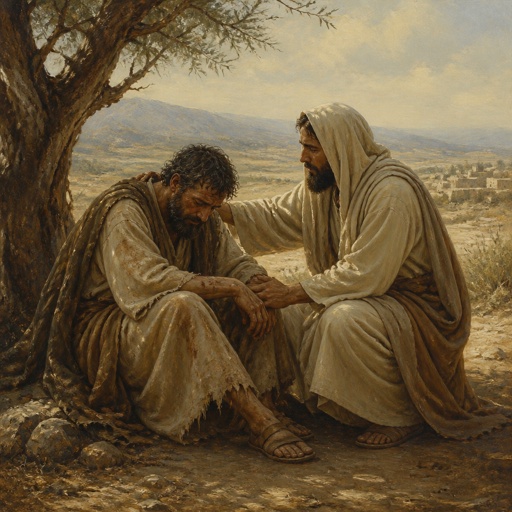
"To him that is afflicted pity should be shewed from his friend; but he forsaketh the fear of the Almighty." - Job 6:14

Job 40:6 - "¶ Then answered the LORD unto Job out of the whirlwind, and said,"

Job 37:14 - "Hearken unto this, O Job: stand still, and consider the wondrous works of God."

Job 14:2

"But Job answered and said," - Job 6:1

Job 1:14 - "And there came a messenger unto Job, and said, The oxen were plowing, and the asses feeding beside them:"

Job 27:6

Job 38:14 - "It is turned as clay to the seal; and they stand as a garment."

Job 6:6 - "Can that which is unsavoury be eaten without salt? or is there any taste in the white of an egg?"

Job 36:14 - "They die in youth, and their life is among the unclean."

Job 5:14 - "They meet with darkness in the daytime, and grope in the noonday as in the night."

Job 28:14 - "The depth saith, It is not in me: and the sea saith, It is not with me."

Ezekiel 14:14 - "Though these three men, Noah, Daniel, and Job, were in it, they should deliver but their own souls by their righteousness, saith the Lord GOD."

"¶ Then answered the LORD unto Job out of the whirlwind, and said," - Job 40:6

Job 14:1 - "Man that is born of a woman is of few days, and full of trouble."

Job 14:14 - "If a man die, shall he live again? all the days of my appointed time will I wait, till my change come."

Job 39:14 - "Which leaveth her eggs in the earth, and warmeth them in dust,"

Job 23:14 - "For he performeth the thing that is appointed for me: and many such things are with him."

Job 7:14 - "Then thou scarest me with dreams, and terrifiest me through visions:"

Job 24:14 - "The murderer rising with the light killeth the poor and needy, and in the night is as a thief."

Job 3:14 - "With kings and counsellors of the earth, which built desolate places for themselves;"

Job 33:14 - "For God speaketh once, yea twice, yet man perceiveth it not."

Job 14:4 - "Who can bring a clean thing out of an unclean? not one."

Job 14:11 - "As the waters fail from the sea, and the flood decayeth and drieth up:"

Job 30:6 - "To dwell in the clifts of the valleys, in caves of the earth, and in the rocks."

Job 29:14 - "I put on righteousness, and it clothed me: my judgment was as a robe and a diadem."