What does Job 15:19 mean?
“Unto whom alone the earth was given, and no stranger passed among them.” — Job 15:19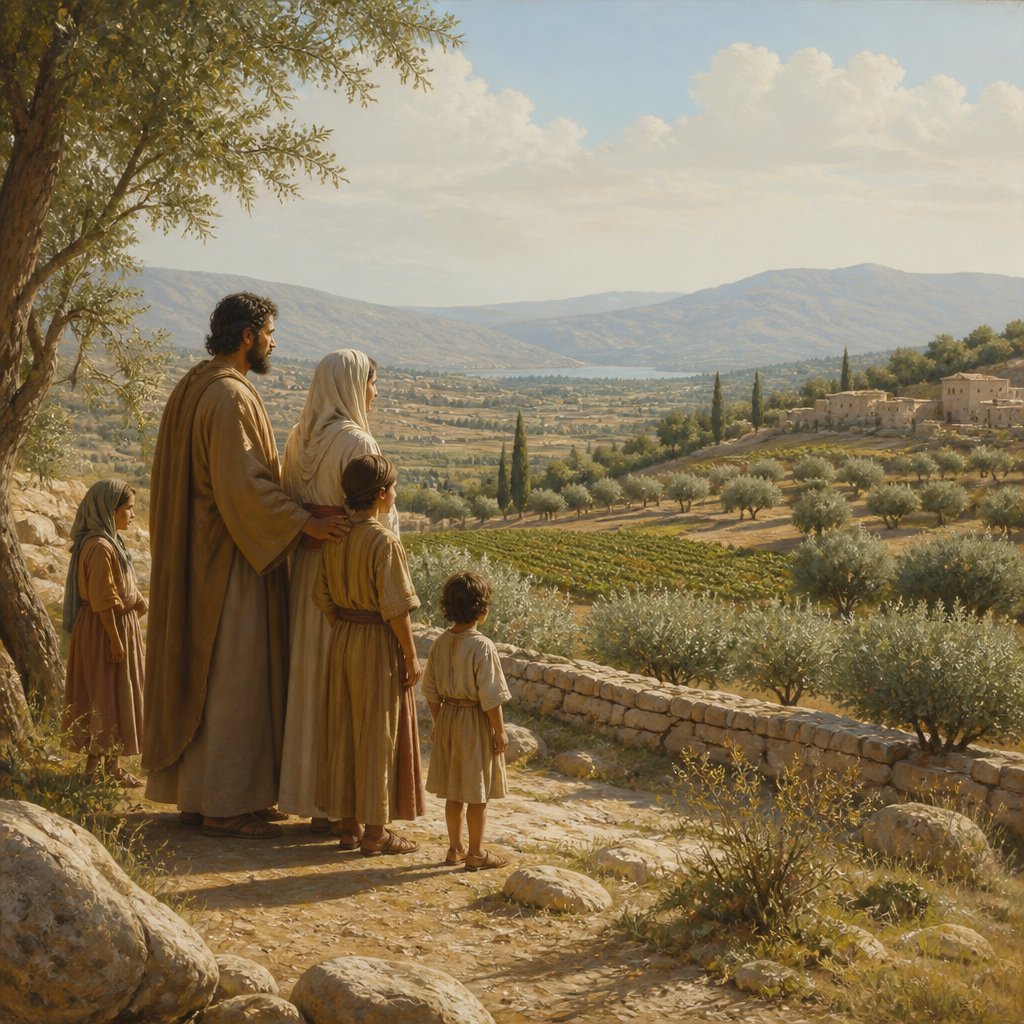
Job 15:19 in the King James Version (KJV) of the Bible reads, "Unto whom alone the earth was given, and no stranger passed among them." This verse is found in the Book of Job, which is one of the oldest and most challenging books in the Bible, known for its exploration of suffering, faith, and the nature of God. In this particular chapter, Job is responding to his friend Eliphaz's accusations and reprimands. Despite Job's suffering, his friends believe he is being punished for some hidden sin. Job maintains his innocence and seeks understanding from God.
The verse itself speaks to the idea that there is a certain select group or an exclusive individual to whom the earth was given, and no outsider or foreigner passed among them. This can be interpreted in various ways, but in the context of the Book of Job, it is important to understand these words in relation to the broader themes and context of the book.
One of the key themes in the Book of Job is the problem of evil and suffering. Job, a righteous man, experiences immense suffering and loss, leading him to question the reasons behind his afflictions. His friends, on the other hand, believe that suffering is a result of sin and that Job must repent. In this verse, Job may be casting doubt on the idea that only a select group of people can experience the fullness of the earth without any outsiders intruding. This challenges the notion that the righteous will always prosper and the wicked will suffer, as his friends suggest.
In a broader sense, this verse may also be addressing the notion of exclusive rights and privileges, and the idea of who has the authority to possess and govern the earth. It could also be seen as a challenge to the belief that only a select group of people are chosen or favored by God, while others are excluded.
Symbolically, the "earth" can be seen as a representation of all the blessings and riches of the world, and the idea that they are given to a certain group of people without any intrusion can be understood as an assertion of privilege and authority. In a spiritual sense, it could be interpreted as a claim to divine favor and blessing. This verse is thus part of a larger conversation about the nature of God's justice and the distribution of worldly goods and blessings.
In the context of the broader narrative of the Book of Job, this verse reflects Job's struggle to understand the justice of his suffering and the apparent lack of favor from God. It highlights the tension between the traditional understanding of divine justice and the reality of human suffering, as well as the limitations of human understanding in the face of divine mystery.
Ultimately, Job's questioning and wrestling with these deep, existential questions lead to a more profound understanding of God's ways, as exemplified by God's response to Job later in the book. The Book of Job does not offer easy answers to the problem of suffering and evil, but it does invite readers to grapple with these complex issues and to trust in God's wisdom and sovereignty.
In conclusion, Job 15:19 is a verse rich in meaning and significance within the broader context of the Book of Job. It raises profound questions about the nature of suffering, divine justice, and the distribution of blessings, and it challenges simplistic notions of favor and privilege. It invites readers to engage with the complexities of human experience and to wrestle with the mysteries of God's ways.
Get our apps


Artwork for Job 15:19

Job 15:19 - "Unto whom alone the earth was given, and no stranger passed among them."
"Unto whom alone the earth was given, and no stranger passed among them." - Job 15:19
Job 19:15 - "They that dwell in mine house, and my maids, count me for a stranger: I am an alien in their sight."

Job 19:1 - "Then Job answered and said,"
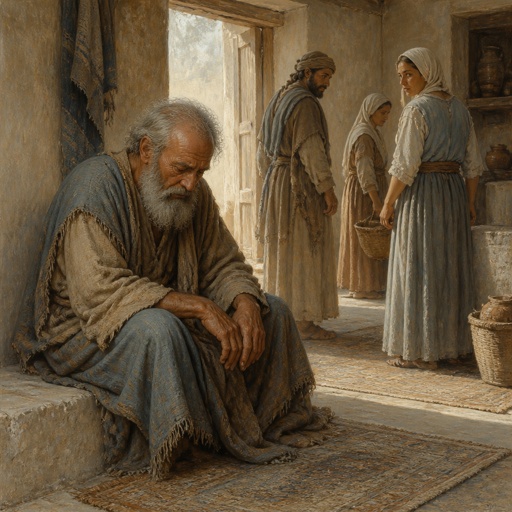
"They that dwell in mine house, and my maids, count me for a stranger: I am an alien in their sight." - Job 19:15

"Then Job answered and said," - Job 19:1

Job 18-19

Job 19:19 - "All my inward friends abhorred me: and they whom I loved are turned against me."

Job 15:15 - "Behold, he putteth no trust in his saints; yea, the heavens are not clean in his sight."

Job 15:1 - "Then answered Eliphaz the Temanite, and said,"

Job 8:19 - "Behold, this is the joy of his way, and out of the earth shall others grow."

Job 42:15 - "And in all the land were no women found so fair as the daughters of Job: and their father gave them inheritance among their brethren."

Job 3:19 - "The small and great are there; and the servant is free from his master."

Job 12:19 - "He leadeth princes away spoiled, and overthroweth the mighty."

Job 22:19 - "The righteous see it, and are glad: and the innocent laugh them to scorn."

Job 19:24 - "That they were graven with an iron pen and lead in the rock for ever!"

Job 6:19 - "The troops of Tema looked, the companies of Sheba waited for them."

Job 29:15 - "I was eyes to the blind, and feet was I to the lame."

Genesis 15:19

Job 19:22 - "Why do ye persecute me as God, and are not satisfied with my flesh?"

Job 28:19 - "The topaz of Ethiopia shall not equal it, neither shall it be valued with pure gold."

Job 36:19 - "Will he esteem thy riches? no, not gold, nor all the forces of strength."

Job 19:4 - "And be it indeed that I have erred, mine error remaineth with myself."

Genesis 19-15

Job 32:15 - "They were amazed, they answered no more: they left off speaking."

Job 3:15 - "Or with princes that had gold, who filled their houses with silver:"

Job 19:14 - "My kinsfolk have failed, and my familiar friends have forgotten me."

Job 19:2 - "How long will ye vex my soul, and break me in pieces with words?"

Job 41:19 - "Out of his mouth go burning lamps, and sparks of fire leap out."

Job 38:19 - "Where is the way where light dwelleth? and as for darkness, where is the place thereof,"