What does Job 15:29 mean?
“He shall not be rich, neither shall his substance continue, neither shall he prolong the perfection thereof upon the earth.” — Job 15:29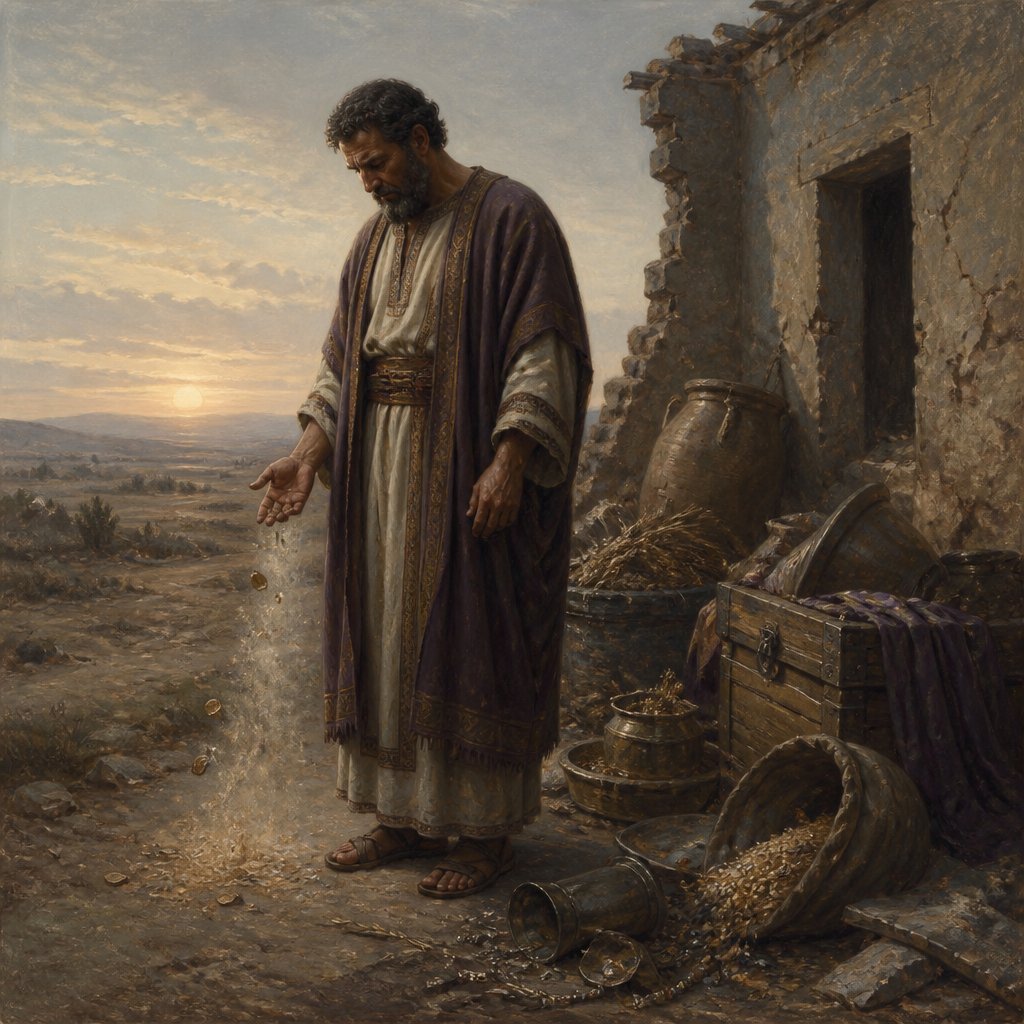
Job 15:29 in the King James Version (KJV) of the Bible reads, "He shall not be rich, neither shall his substance continue, neither shall he prolong the perfection thereof upon the earth." This verse is part of a longer passage spoken by Eliphaz, one of Job's friends, as he accuses Job of being a wicked man deserving of his suffering. Eliphaz and his friends believe that Job's suffering is a direct result of his sin, and they argue that anyone who is righteous and upright would not be facing such trials.
In this specific verse, Eliphaz continues to describe the fate of the wicked by proclaiming that they will not prosper. The language used in this verse has a sense of finality and inevitability. It suggests that the wicked will never experience true wealth or succeed in maintaining their material possessions. Additionally, the phrase "prolong the perfection thereof upon the earth" indicates that any success or happiness the wicked may experience will be short-lived and ultimately fleeting.
The themes present in Job 15:29 include the concepts of divine justice, the prosperity of the wicked, and the temporary nature of material wealth. Throughout the book of Job, there is an ongoing exploration of the relationship between righteousness and suffering. The dialogue between Job and his friends raises questions about the nature of God's justice and the reasons for human suffering. Eliphaz's words in this verse reflect his belief in a direct correlation between a person's moral character and their material prosperity. However, this simplistic understanding of suffering is ultimately challenged and refuted by the larger narrative of the book.
The context of Job 15:29 is important for understanding its significance within the larger biblical narrative. Job is a book that wrestles with the complex and often mysterious nature of human suffering. The character of Job is portrayed as a righteous and blameless man who experiences immense hardship and loss. His friends, including Eliphaz, attempt to make sense of Job's suffering by suggesting that he must have sinned in some way to deserve such punishment.
Eliphaz's words in this verse are part of his attempt to comfort and counsel Job, though his words ultimately reveal more about his own narrow understanding of God's ways than they do about the nature of Job's situation. Throughout the book, Job's friends offer various explanations for his suffering, but their perspectives are proven to be inadequate in the face of Job's profound suffering and his unyielding faith in God.
The symbolism in Job 15:29 lies in the contrast between the fleeting nature of earthly wealth and the enduring value of spiritual well-being. The verse serves as a reminder that material possessions and worldly success are not true measures of a person's worth or righteousness. In the larger biblical context, the verse also points to the limitations of human understanding and the need for a deeper, more nuanced perspective on the nature of suffering and God's justice.
In conclusion, Job 15:29 in the King James Version of the Bible offers a glimpse into the mindset of Job's friend Eliphaz as he attempts to make sense of suffering and divine justice. The verse reflects his belief in a direct correlation between a person's moral character and their material prosperity, but it also serves as a reminder of the limitations of human understanding and the need for a more nuanced perspective on the nature of suffering and God's justice. Ultimately, the verse is a small part of a larger narrative that challenges simplistic notions of prosperity and righteousness, and points to the enduring value of spiritual well-being over fleeting material wealth.
Get our apps


Artwork for Job 15:29

Job 15:29 - "He shall not be rich, neither shall his substance continue, neither shall he prolong the perfection thereof upon the earth."
"He shall not be rich, neither shall his substance continue, neither shall he prolong the perfection thereof upon the earth." - Job 15:29

Job 29:15 - "I was eyes to the blind, and feet was I to the lame."
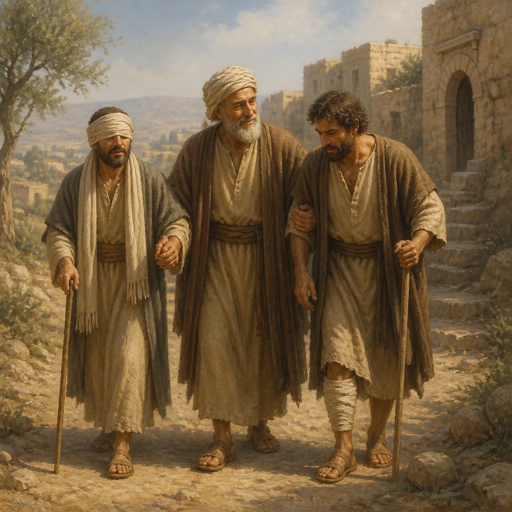
"I was eyes to the blind, and feet was I to the lame." - Job 29:15

Job 29:1 - "Moreover Job continued his parable, and said,"

"Moreover Job continued his parable, and said," - Job 29:1

Job 9:29 - "If I be wicked, why then labour I in vain?"

Job 30:29 - "I am a brother to dragons, and a companion to owls."

Job 29:9 - "The princes refrained talking, and laid their hand on their mouth."

Job 41:29 - "Darts are counted as stubble: he laugheth at the shaking of a spear."

Job 29:10 - "The nobles held their peace, and their tongue cleaved to the roof of their mouth."

Job 33:29 - "Lo, all these things worketh God oftentimes with man,"

Job 29:23 - "And they waited for me as for the rain; and they opened their mouth wide as for the latter rain."

Job 29:14 - "I put on righteousness, and it clothed me: my judgment was as a robe and a diadem."

Job 36:29 - "Also can any understand the spreadings of the clouds, or the noise of his tabernacle?"

Job 29:20 - "My glory was fresh in me, and my bow was renewed in my hand."

Job 29:24 - "If I laughed on them, they believed it not; and the light of my countenance they cast not down."

Job 29:17 - "And I brake the jaws of the wicked, and plucked the spoil out of his teeth."

Joshua 15:29 - "Baalah, and Iim, and Azem,"

Job 29:4 - "As I was in the days of my youth, when the secret of God was upon my tabernacle;"

Job 29:5 - "When the Almighty was yet with me, when my children were about me;"

Job 21:29 - "Have ye not asked them that go by the way? and do ye not know their tokens,"

Job 29:8 - "The young men saw me, and hid themselves: and the aged arose, and stood up."

Job 20:29 - "This is the portion of a wicked man from God, and the heritage appointed unto him by God."

Job 29:16 - "I was a father to the poor: and the cause which I knew not I searched out."

Job 39:29 - "From thence she seeketh the prey, and her eyes behold afar off."

Job 29:2 - "Oh that I were as in months past, as in the days when God preserved me;"

Job 29:21 - "Unto me men gave ear, and waited, and kept silence at my counsel."

Job 29:22 - "After my words they spake not again; and my speech dropped upon them."

Genesis 29:15-30