What does Job 15:7 mean?
“Art thou the first man that was born? or wast thou made before the hills?” — Job 15:7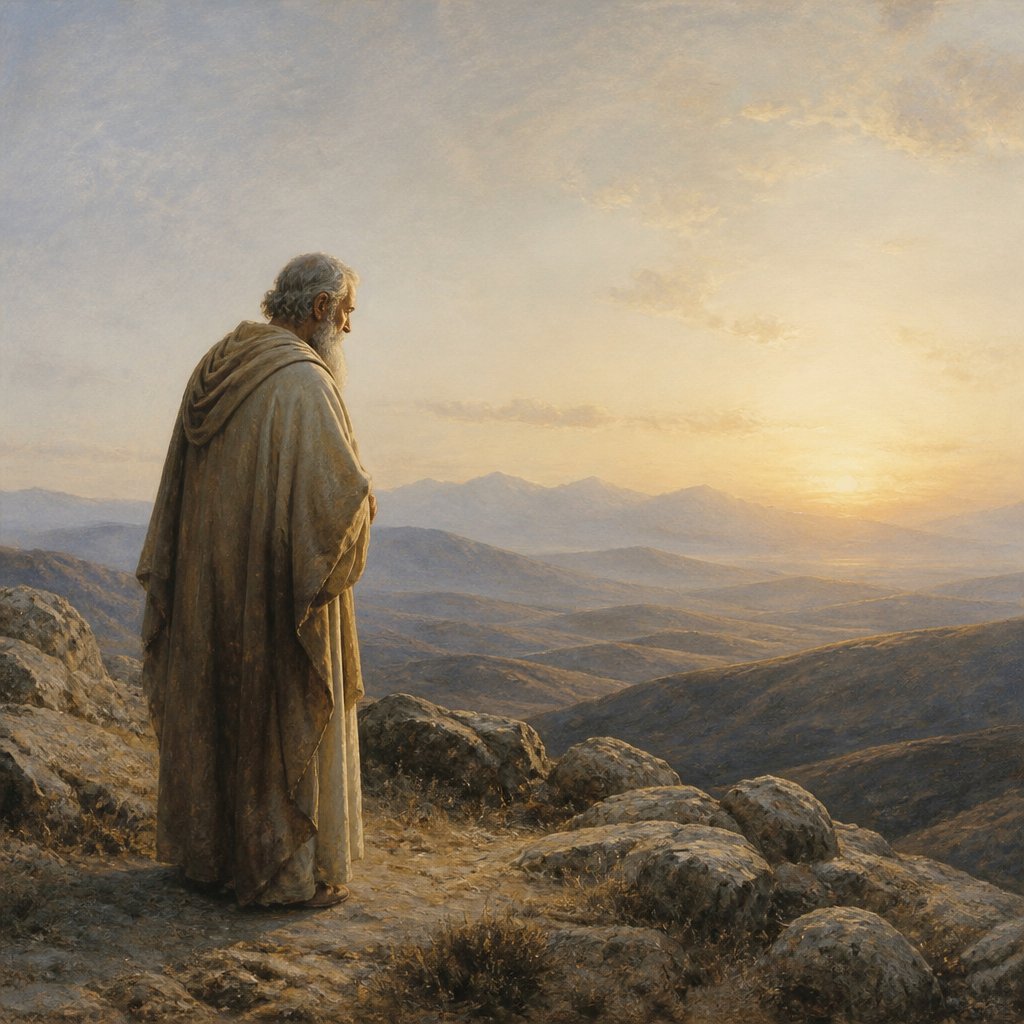
Job 15:7 (KJV) says, "Art thou the first man that was born? or wast thou made before the hills?"
This verse is part of a conversation between Job and his friends, particularly Eliphaz, who is trying to convince Job that his suffering is a result of his sins. Eliphaz and his friends believe in the principle of retribution theology, which holds that those who are righteous will prosper, while those who are sinful will suffer. Job's suffering challenges this belief, and the book of Job addresses the complex issue of why the righteous suffer.
In this verse, Eliphaz is essentially asking Job if he thinks he knows more than the generations of people who came before him or is wiser than the ancient hills that have witnessed the passage of time. He is using this rhetorical question to assert his own wisdom and to challenge Job's claims of innocence. Eliphaz is suggesting that Job's suffering may be due to his arrogance and refusal to admit any wrongdoing.
The theme of wisdom and knowledge is central to this verse. Eliphaz is attempting to assert his own wisdom and authority over Job, suggesting that he has more knowledge and experience than Job. This theme of wisdom is echoed throughout the book of Job, as Job's friends continuously try to convince him that they have the answers to his suffering.
The context of this verse is crucial to understanding its significance. Job is a righteous man who suffers greatly, losing his property, family, and health. His friends come to comfort him, but they quickly turn to accusing him of secret sins, believing that his suffering must be a punishment for some wrongdoing. Job, however, maintains his innocence and questions the justice of God. This verse is part of Eliphaz's attempt to convince Job that he is in the wrong and his suffering is a result of his own failings.
Symbolism is also present in this verse. The mention of the first man that was born and the hills represents the ancient and enduring knowledge and experience of the world. The hills symbolize stability and longevity, while the first man represents the wisdom of generations. Eliphaz is using this symbolism to emphasize the folly of Job's claims and to assert his own wisdom and understanding.
Overall, Job 15:7 is a verse that illustrates the themes of wisdom, knowledge, and the human condition. It reflects the ongoing debate between Job and his friends about the nature of suffering and the ways in which we understand and interpret the world. The verse also serves as a reminder of the complexity of human experience and the limitations of our understanding. It challenges us to consider the sources of wisdom and to approach the suffering of others with empathy and humility.
Get our apps


Artwork for Job 15:7

Job 15:7 - "Art thou the first man that was born? or wast thou made before the hills?"
"Art thou the first man that was born? or wast thou made before the hills?" - Job 15:7

Job 7:15 - "So that my soul chooseth strangling, and death rather than my life."
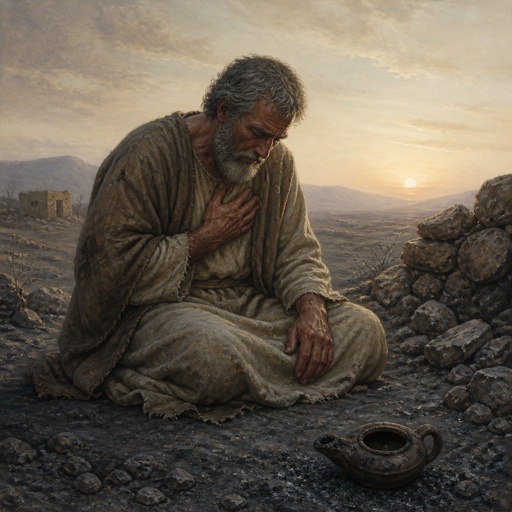
"So that my soul chooseth strangling, and death rather than my life." - Job 7:15

Job 15:15 - "Behold, he putteth no trust in his saints; yea, the heavens are not clean in his sight."

Job 34:7 - "What man is like Job, who drinketh up scorning like water?"

Job 15:1 - "Then answered Eliphaz the Temanite, and said,"

Job 42:15 - "And in all the land were no women found so fair as the daughters of Job: and their father gave them inheritance among their brethren."

Job 1:7

Job 1:7

Job 1:7

Job 29:15 - "I was eyes to the blind, and feet was I to the lame."

Job 7:7 - "O remember that my life is wind: mine eye shall no more see good."

Job 38:4-7

Job 32:15 - "They were amazed, they answered no more: they left off speaking."

Job 3:15 - "Or with princes that had gold, who filled their houses with silver:"

Job 36:15 - "He delivereth the poor in his affliction, and openeth their ears in oppression."

Job 38:15 - "And from the wicked their light is withholden, and the high arm shall be broken."

Job 15:35 - "They conceive mischief, and bring forth vanity, and their belly prepareth deceit."

Job 15:11 - "Are the consolations of God small with thee? is there any secret thing with thee?"

Job 15:34 - "For the congregation of hypocrites shall be desolate, and fire shall consume the tabernacles of bribery."

Job 15:32 - "It shall be accomplished before his time, and his branch shall not be green."

Job 15:4 - "Yea, thou castest off fear, and restrainest prayer before God."

Job 17:15 - "And where is now my hope? as for my hope, who shall see it?"

Job 15:19 - "Unto whom alone the earth was given, and no stranger passed among them."

Job 15:31 - "Let not him that is deceived trust in vanity: for vanity shall be his recompence."

Job 15:18 - "Which wise men have told from their fathers, and have not hid it:"

Job 28:15 - "It cannot be gotten for gold, neither shall silver be weighed for the price thereof."

Job 41:15 - "His scales are his pride, shut up together as with a close seal."

Job 15:5 - "For thy mouth uttereth thine iniquity, and thou choosest the tongue of the crafty."