What does Job 16:20 mean?
"My friends scorn me: but mine eye poureth out tears unto God." - Job 16:20

Job 16:20 in the King James Version of the Bible states, "My friends scorn me: but mine eye poureth out tears unto God." This verse is taken from the Book of Job, which is a profound and complex book that grapples with the problem of suffering and the sovereignty of God. The verse is part of Job's lament as he grapples with the intense suffering that he is experiencing, and it reflects his deep sense of isolation and despair.
The Book of Job is a poetic book that explores the issue of human suffering and the apparent injustice of the world. Job, the central character, is a righteous man who experiences a series of devastating tragedies, including the loss of his wealth, children, and health. His friends come to comfort him, but end up arguing with him about the reasons for his suffering. Job, on the other hand, is left feeling abandoned by both his friends and by God.
In Job 16:20, Job expresses his sense of betrayal and abandonment by his friends. He feels scorned and rejected by those who were once close to him. This reflects the deep sense of loneliness and isolation that often accompanies suffering. Despite the attempts of his friends to offer comfort and explanations for his suffering, Job feels misunderstood and alone in his pain.
The second part of the verse, "but mine eye poureth out tears unto God," reveals Job's response to his suffering. Despite his feelings of abandonment and despair, Job turns to God in his distress. This act of pouring out tears is a powerful image of Job's deep emotional anguish and his cry for help and understanding. It reveals his deep faith and conviction that God is the only one who can truly understand and comfort him in his suffering.
This verse captures the profound emotional and spiritual struggle that Job is experiencing. It reflects the deep human need for comfort and understanding in the face of suffering and the way in which suffering can lead to feelings of isolation and loneliness. It also highlights the power of turning to God in times of distress and the hope that can be found in seeking solace in a higher power.
The broader context of the Book of Job provides further insight into the themes and symbolism of this verse. The book is a deep meditation on the problem of evil and the nature of suffering. Job's suffering is used as a test of his faith and his righteousness, and his response to this suffering becomes a powerful example of the human experience of pain and despair. Job's friends, who seek to offer explanations for his suffering, ultimately fail to provide comfort or understanding, and Job's experience becomes a powerful testament to the limitations of human wisdom in the face of suffering.
The verse also contains a rich symbolism that speaks to the human experience of suffering and the search for meaning in the midst of pain. The image of tears pouring out to God reflects the deep emotional and spiritual struggle that Job is facing. It also represents the universal human experience of turning to a higher power in times of distress and the hope for comfort and understanding that comes from this act of supplication.
In conclusion, Job 16:20 is a poignant and deeply moving verse that captures the profound emotional and spiritual struggle of the central character in the Book of Job. It speaks to the universal human experience of suffering, loneliness, and the search for solace in the midst of pain. The verse also highlights the power of turning to God in times of distress and the hope that can be found in seeking comfort and understanding in a higher power.
Have questions about Job 16:20?
Dive deeper into this scripture with Bible Chat — an AI-powered tool for exploring God's Word through conversation. Ask questions, get context, and grow in your understanding of the Bible.
Get Our Apps


Job 16:20 Artwork

Job 16:20 - "My friends scorn me: but mine eye poureth out tears unto God."

"My friends scorn me: but mine eye poureth out tears unto God." - Job 16:20
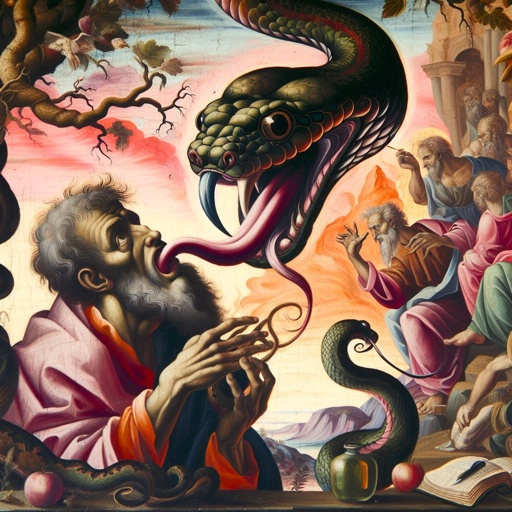
Job 20:16 - "He shall suck the poison of asps: the viper's tongue shall slay him." The image should not depict explicit or offensive content but be symbolic.

"He shall suck the poison of asps: the viper's tongue shall slay him." - Job 20:16

Job 16:1 - "Then Job answered and said,"

Job 1:20

Job 1:20

"Then Job answered and said," - Job 16:1

Job 16:16 - "My face is foul with weeping, and on my eyelids is the shadow of death;"

Job 3:20-21 - "Job 3:20-21: Why is light given to those in misery, and life to the bitter of soul, to those who long for death that does not come, who search for it more than for hidden treasure?"

Job 1:20 - "Then Job arose, and rent his mantle, and shaved his head, and fell down upon the ground, and worshipped,"

Job 35:16 - "Therefore doth Job open his mouth in vain; he multiplieth words without knowledge."

Job 20:5 - "That the triumphing of the wicked is short, and the joy of the hypocrite but for a moment?"

Job 20:1 - "Then answered Zophar the Naamathite, and said,"

Job 20:20 - "Surely he shall not feel quietness in his belly, he shall not save of that which he desired."

Job 28:20 - "Whence then cometh wisdom? and where is the place of understanding?"

Job 42:16 - "After this lived Job an hundred and forty years, and saw his sons, and his sons' sons, even four generations."

Job 36:20 - "Desire not the night, when people are cut off in their place."

Job 12:16 - "With him is strength and wisdom: the deceived and the deceiver are his."

Job 33:16 - "Then he openeth the ears of men, and sealeth their instruction,"

Job 20:4 - "Knowest thou not this of old, since man was placed upon earth,"

Mark 16:20
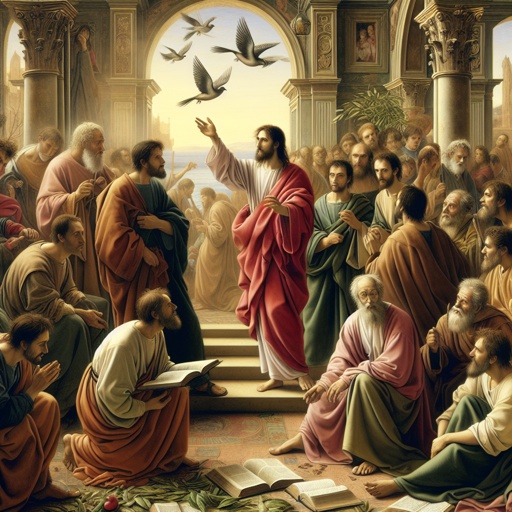
Mark 16:20

Deuteronomy 20:16

Job 20:17 - "He shall not see the rivers, the floods, the brooks of honey and butter."

Job 6:16 - "Which are blackish by reason of the ice, and wherein the snow is hid:"

Job 28:16 - "It cannot be valued with the gold of Ophir, with the precious onyx, or the sapphire."

Mark 16:20

Genesis 20-16

Mark 16:20