What does Job 17:15 mean?
“And where is now my hope? as for my hope, who shall see it?” — Job 17:15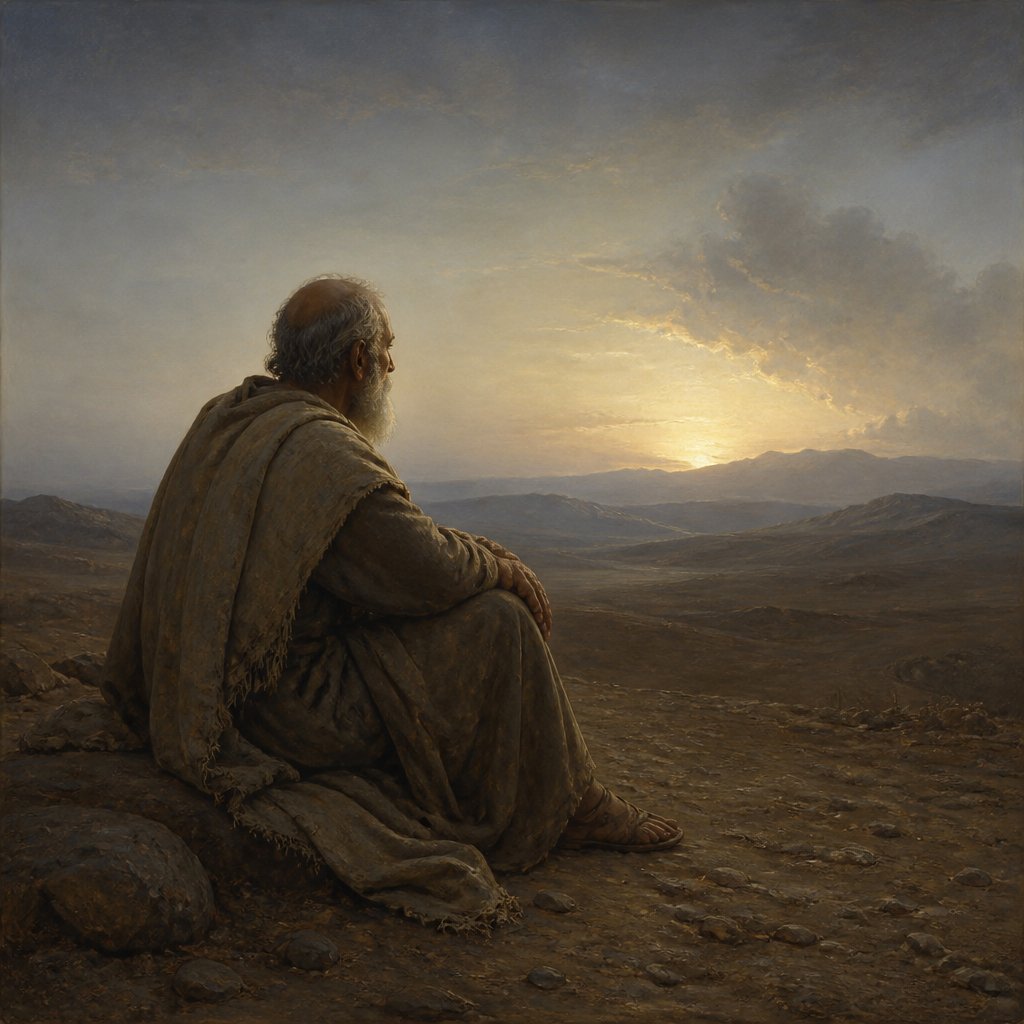
Job 17:15 (KJV) says, "And where is now my hope? as for my hope, who shall see it?" This verse comes from the book of Job, which is one of the most ancient and profound books in the Bible. It is a part of the Old Testament and is believed to have been written by Job himself, a man who experienced immense suffering and wrestled with the question of why God allows suffering to exist in the world.
The context of this verse is important to understand its meaning. In the previous verses, Job laments the loss of his strength, his days being shortened, and his friends being mockers. He is in a place of hopelessness, feeling abandoned by everyone around him and even by God. This verse is a continuation of his despair, as he questions the existence of hope in his situation.
The theme of hope is central to this verse, and it is a theme that runs throughout the book of Job. Job is grappling with the deep and human struggle of maintaining hope in the midst of unimaginable suffering. The verse captures the desperate cry of a man who feels hopeless, lost, and alone. It speaks to the universal experience of despair and the longing for some semblance of hope, even in the darkest moments of life.
The use of the word "hope" in this verse is significant. Hope is a powerful and fundamental human emotion, and it is often what sustains us during difficult times. In the Christian context, hope is closely tied to faith and trust in God's promises. However, Job's question "who shall see it?" reflects his doubt and uncertainty about whether anyone will witness his hope being fulfilled. It speaks to the feeling of isolation and the absence of anyone to share his burden.
The symbolism in this verse is also significant. Job's search for hope and his despair reflect the broader human experience. The verse resonates with anyone who has felt abandoned, alone, and without hope. It speaks to the reality of suffering and the struggle to find meaning and purpose in the midst of it. The question of whether anyone will see his hope speaks to the human need for connection and a sense of being understood and supported.
In the larger context of the book of Job, this verse is part of a larger dialogue about suffering, faith, and the nature of God. Job's friends try to offer explanations for his suffering, but Job rejects their attempts to justify it. His questioning and pleading with God reveal his deep desire for understanding and ultimately, for hope. The book wrestles with the age-old question of why good people suffer, and whether there is any meaning or purpose in it.
Ultimately, the verse points to the human need for hope in the face of despair. It captures the raw and honest expression of pain and longing for something greater than the current circumstances. It is a reminder that even in the darkest moments, the search for hope is a universal and deeply human experience.
In conclusion, Job 17:15 (KJV) is a powerful and poignant reflection on the nature of hope in the midst of suffering. It is a verse that speaks to the human experience of despair and the search for something greater to hold onto. It is a reminder of the universal need for hope, even in the most difficult and challenging times. As such, it resonates with readers from all walks of life and continues to offer comfort and solace to those grappling with their own struggles.
Get our apps


Artwork for Job 17:15

Job 17:15 - "And where is now my hope? as for my hope, who shall see it?"
"And where is now my hope? as for my hope, who shall see it?" - Job 17:15

Job 15:17 - "I will shew thee, hear me; and that which I have seen I will declare;"

"I will shew thee, hear me; and that which I have seen I will declare;" - Job 15:17

Job 42:17 - "So Job died, being old and full of days."

Job 15:15 - "Behold, he putteth no trust in his saints; yea, the heavens are not clean in his sight."

Job 15:1 - "Then answered Eliphaz the Temanite, and said,"

"So Job died, being old and full of days." - Job 42:17

Job 3:17 - "There the wicked cease from troubling; and there the weary be at rest."

Job 42:15 - "And in all the land were no women found so fair as the daughters of Job: and their father gave them inheritance among their brethren."

Job 17:12 - "They change the night into day: the light is short because of darkness."

Job 41:17 - "They are joined one to another, they stick together, that they cannot be sundered."

Job 17:2 - "Are there not mockers with me? and doth not mine eye continue in their provocation?"

Job 29:15 - "I was eyes to the blind, and feet was I to the lame."

Job 8:17 - "His roots are wrapped about the heap, and seeth the place of stones."

Job 12:17 - "He leadeth counsellors away spoiled, and maketh the judges fools."

Job 20:17 - "He shall not see the rivers, the floods, the brooks of honey and butter."

Job 16:17 - "Not for any injustice in mine hands: also my prayer is pure."

Job 13:17 - "Hear diligently my speech, and my declaration with your ears."

Genesis 17-15

Acts 17:15

Provers 15:17

Job 32:15 - "They were amazed, they answered no more: they left off speaking."

Job 3:15 - "Or with princes that had gold, who filled their houses with silver:"

Job 9:17 - "For he breaketh me with a tempest, and multiplieth my wounds without cause."

Job 17:1 - "My breath is corrupt, my days are extinct, the graves are ready for me."

Job 29:17 - "And I brake the jaws of the wicked, and plucked the spoil out of his teeth."

Job 28:17 - "The gold and the crystal cannot equal it: and the exchange of it shall not be for jewels of fine gold."

Genesis 15:17

Job 36:15 - "He delivereth the poor in his affliction, and openeth their ears in oppression."