What does Job 1:14 mean?
“And there came a messenger unto Job, and said, The oxen were plowing, and the asses feeding beside them:” — Job 1:14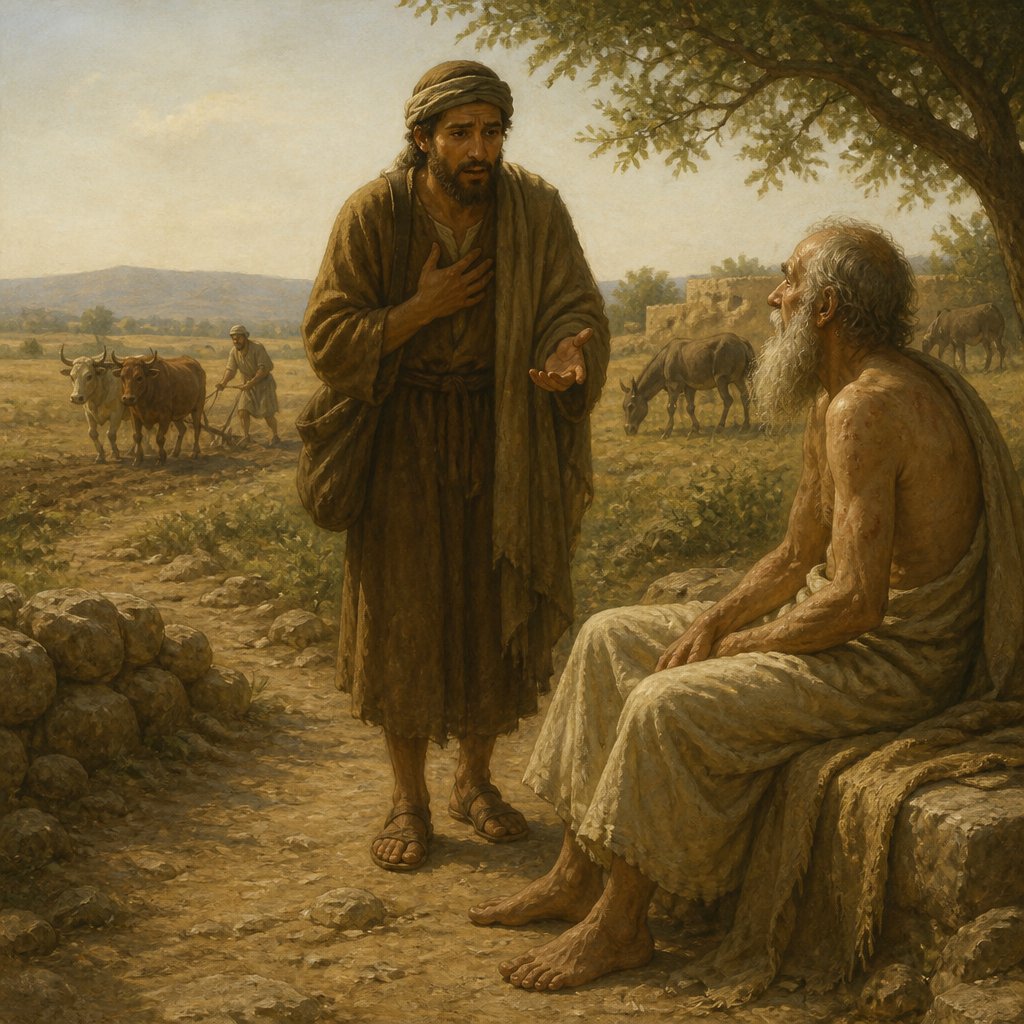
Job 1:14 from the King James Version reads, "And there came a messenger unto Job, and said, The oxen were plowing, and the asses feeding beside them."
The book of Job is a profound and complex text that addresses the perennial question of suffering and the justice of God. Job 1:14 is just one verse among the many in this book that sets the stage for the trials and tribulations that Job will endure. In this verse, we see Job receiving news of the loss of his oxen and donkeys, which are a significant blow to his livelihood and wealth. The verse is a part of a larger narrative in which Job is confronted with a series of calamities that test his faith and resolve.
The context of this verse is essential to understanding its significance. The book of Job opens with a scene in heaven where God and Satan engage in a conversation about Job, a man who is blameless and upright. Satan challenges God, suggesting that Job's devotion is based purely on the blessings and protection that God has bestowed upon him. God allows Satan to test Job, leading to a series of calamities that befall Job and his family. Job 1:14 is the first of these disasters, signaling the beginning of Job's ordeal.
One of the central themes of the book of Job is the nature of suffering and the question of why the righteous suffer. Job is a man who has done nothing to deserve the trials that befall him, yet he finds himself stripped of his wealth, his health, and his family. This verse is a poignant illustration of the sudden and devastating nature of suffering, as Job receives word of the loss of his livestock, which would have been a significant source of wealth and sustenance in ancient times.
The verse also serves as a commentary on the fleeting and transitory nature of material possessions. In a single moment, Job's oxen and donkeys are taken from him, highlighting the impermanence of earthly wealth and the futility of placing one's trust in possessions. This theme is echoed later in the book when Job declares, "Naked I came from my mother's womb, and naked I will depart. The Lord gave and the Lord has taken away; may the name of the Lord be praised" (Job 1:21). Job's response to his losses reflects a profound understanding of the ephemeral nature of worldly goods and a steadfast faith in God despite his suffering.
The symbolism in this verse is also worth noting. In ancient Near Eastern cultures, oxen and donkeys were valuable assets that were used for plowing fields and transportation. The loss of these animals would have been a devastating blow to Job's ability to work the land and provide for his family. The specific mention of the oxen plowing and the donkeys feeding beside them serves to emphasize the suddenness and completeness of the loss, as well as the contrast between the productive work of the oxen and the tranquility of the donkeys. This imagery adds depth and emotional resonance to the verse, highlighting the impact of the calamity on Job's livelihood and well-being.
In conclusion, Job 1:14 is a pivotal verse in the book of Job that sets the stage for the trials and tribulations that Job will endure. It serves as a powerful commentary on the nature of suffering, the transience of material possessions, and the steadfastness of faith. The verse's themes, context, and symbolism all contribute to its resonance within the larger narrative of Job's ordeal, making it a poignant and thought-provoking passage with enduring spiritual significance.
Get our apps


Artwork for Job 1:14

Job 1:14 - "And there came a messenger unto Job, and said, The oxen were plowing, and the asses feeding beside them:"
"And there came a messenger unto Job, and said, The oxen were plowing, and the asses feeding beside them:" - Job 1:14

Job 14:1 - "Man that is born of a woman is of few days, and full of trouble."

Job 1:4 - "And his sons went and feasted in their houses, every one his day; and sent and called for their three sisters to eat and to drink with them."
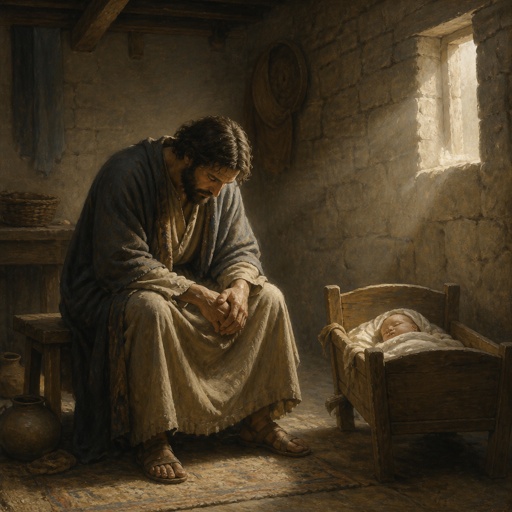
"Man that is born of a woman is of few days, and full of trouble." - Job 14:1

Job 37:14 - "Hearken unto this, O Job: stand still, and consider the wondrous works of God."

Job 14:2

Job 38:14 - "It is turned as clay to the seal; and they stand as a garment."

Job 36:14 - "They die in youth, and their life is among the unclean."

Job 5:14 - "They meet with darkness in the daytime, and grope in the noonday as in the night."

Job 28:14 - "The depth saith, It is not in me: and the sea saith, It is not with me."

Ezekiel 14:14 - "Though these three men, Noah, Daniel, and Job, were in it, they should deliver but their own souls by their righteousness, saith the Lord GOD."

Job 14:14 - "If a man die, shall he live again? all the days of my appointed time will I wait, till my change come."

Job 23:14 - "For he performeth the thing that is appointed for me: and many such things are with him."

Job 39:14 - "Which leaveth her eggs in the earth, and warmeth them in dust,"

Job 7:14 - "Then thou scarest me with dreams, and terrifiest me through visions:"

Job 24:14 - "The murderer rising with the light killeth the poor and needy, and in the night is as a thief."

Job 12:1 - "And Job answered and said,"

Job 23:1 - "Then Job answered and said,"
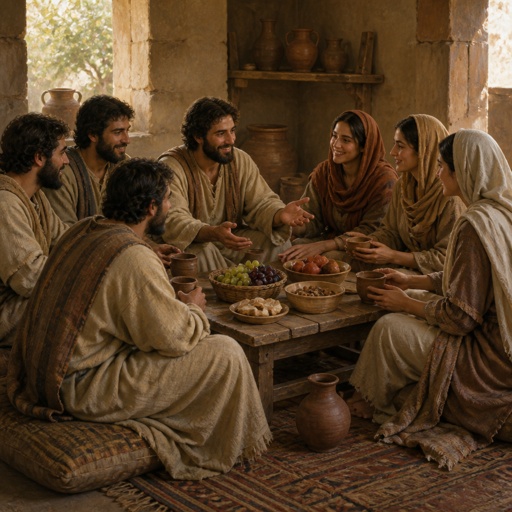
"And his sons went and feasted in their houses, every one his day; and sent and called for their three sisters to eat and to drink with them." - Job 1:4

Job 3:14 - "With kings and counsellors of the earth, which built desolate places for themselves;"

Job 14:4 - "Who can bring a clean thing out of an unclean? not one."

Job 33:14 - "For God speaketh once, yea twice, yet man perceiveth it not."

Job 14:11 - "As the waters fail from the sea, and the flood decayeth and drieth up:"

Job 42:1 - "Then Job answered the LORD, and said,"

Job 9:1 - "Then Job answered and said,"

Job 19:1 - "Then Job answered and said,"

Job 21:1 - "But Job answered and said,"

Job 26:1 - "But Job answered and said,"

Job 6:1 - "But Job answered and said,"