What does Job 20:25 mean?
“It is drawn, and cometh out of the body; yea, the glittering sword cometh out of his gall: terrors are upon him.” — Job 20:25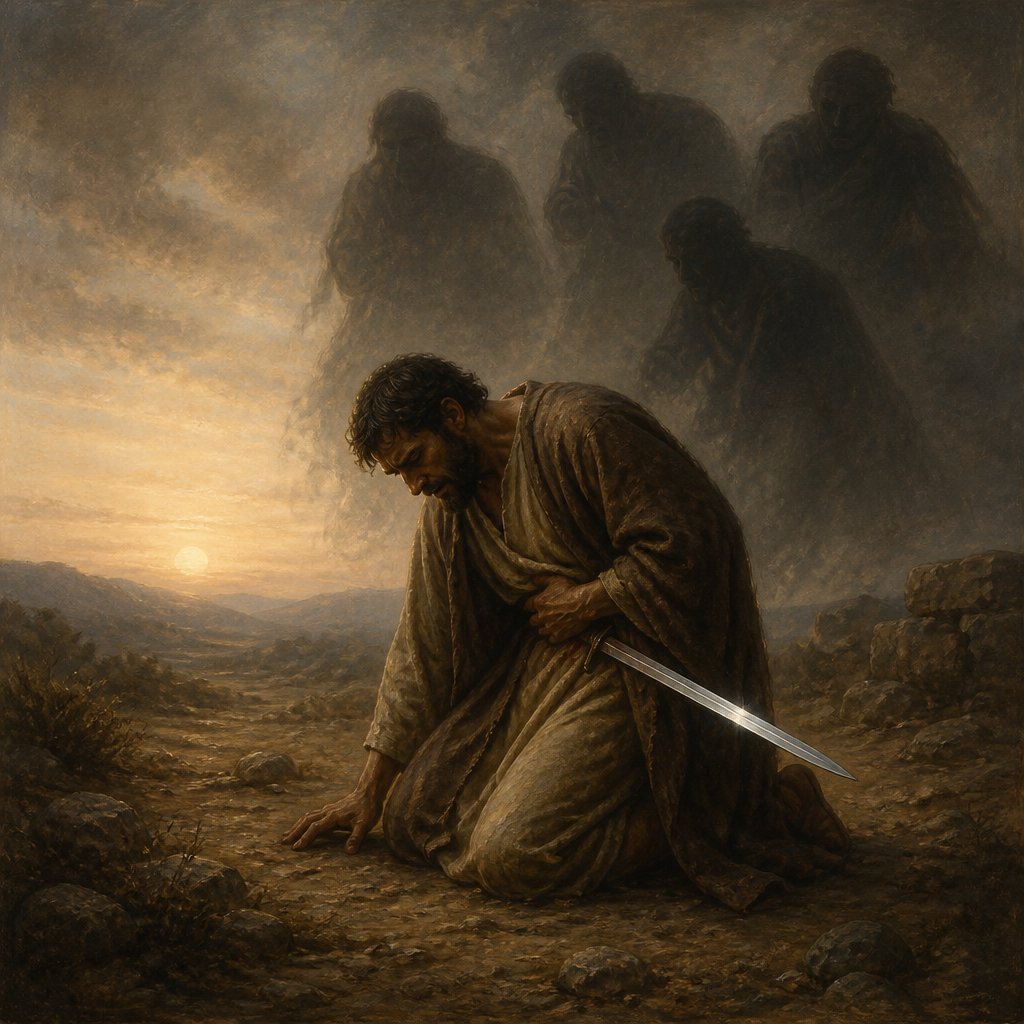
Job 20:25 in the King James Version states, "It is drawn, and cometh out of the body; yea, the glittering sword cometh out of his gall: terrors are upon him."
This verse is part of a speech given by Zophar the Naamathite. Zophar, along with two other friends of Job, has been attempting to persuade Job to confess his sins so that he can be restored to his former state of prosperity. The book of Job is a complex and profound exploration of the nature of suffering and the ways in which humans respond to it. This particular verse comes at the end of Zophar's speech, which is characterized by its harsh judgment of the wicked and the consequences they face.
The verse is metaphorical in its portrayal of the fate of the wicked. The image of a "glittering sword" coming out of the body speaks to the idea of the inevitable judgment and punishment that will befall those who live lives characterized by wickedness and sin. The mention of the sword coming out of his gall signifies a deep-seated and internal source of destruction, highlighting the internal nature of the wicked person's suffering. The word "terrors" further emphasizes the intensity of the punishment that awaits the wicked.
This verse is part of a larger theme within the book of Job, which is the idea of divine justice and judgment. Throughout the book, there is an ongoing debate about the nature of suffering and whether it is a result of individual sin. Zophar and the other friends of Job are firmly convinced that suffering is a direct consequence of wrongdoing, and they urge Job to repent in order to be delivered from his suffering. However, Job himself maintains his innocence and challenges this view, ultimately leading to a deep exploration of the nature of suffering and the ways in which it is understood within the context of divine justice.
The larger context of the verse is also important for understanding its meaning. Job's friends, including Zophar, are speaking out of a belief in the traditional wisdom that teaches that the righteous are blessed and the wicked are punished. However, the book of Job challenges this view and ultimately presents a more complex understanding of suffering and the ways in which it is experienced and perceived. This verse, therefore, serves as an example of the traditional wisdom that is being questioned and ultimately overturned within the larger narrative of the book.
In terms of symbolism, the "glittering sword" can be seen as a representation of divine judgment and the swift and inevitable consequences that await the wicked. The imagery of the sword is often associated with power and authority, and in this context, it speaks to the idea of divine authority and the justice of God. The mention of terrors further emphasizes the severity of the punishment that will befall the wicked, adding an element of fear and dread to the consequences of their actions.
Overall, Job 20:25 in the King James Version is a poignant and powerful verse that speaks to the themes of divine justice and the consequences of wickedness within the larger narrative of the book of Job. It serves as a reflection of the traditional wisdom that is being challenged and ultimately overturned within the book, and it offers a rich and layered exploration of the nature of suffering and the ways in which it is understood within the context of divine justice.
Get our apps


Artwork for Job 20:25

Job 20:25 - "It is drawn, and cometh out of the body; yea, the glittering sword cometh out of his gall: terrors are upon him."
"It is drawn, and cometh out of the body; yea, the glittering sword cometh out of his gall: terrors are upon him." - Job 20:25

Job 39:13-25

Job 25:1 - "Then answered Bildad the Shuhite, and said,"

Job 1:20

Job 1:20

Job 3:20-21 - "Job 3:20-21: Why is light given to those in misery, and life to the bitter of soul, to those who long for death that does not come, who search for it more than for hidden treasure?"

Job 1:20 - "Then Job arose, and rent his mantle, and shaved his head, and fell down upon the ground, and worshipped,"

Job 20:5 - "That the triumphing of the wicked is short, and the joy of the hypocrite but for a moment?"

Job 28:25 - "To make the weight for the winds; and he weigheth the waters by measure."

Job 20:1 - "Then answered Zophar the Naamathite, and said,"

Job 20:20 - "Surely he shall not feel quietness in his belly, he shall not save of that which he desired."

Job 21:25 - "And another dieth in the bitterness of his soul, and never eateth with pleasure."

Job 30:25 - "Did not I weep for him that was in trouble? was not my soul grieved for the poor?"

Job 25:5 - "Behold even to the moon, and it shineth not; yea, the stars are not pure in his sight."

Job 36:25 - "Every man may see it; man may behold it afar off."

Job 6:25 - "How forcible are right words! but what doth your arguing reprove?"

Job 25:2 - "Dominion and fear are with him, he maketh peace in his high places."

Job 25:6 - "How much less man, that is a worm? and the son of man, which is a worm?"

Job 38:25 - "Who hath divided a watercourse for the overflowing of waters, or a way for the lightning of thunder;"
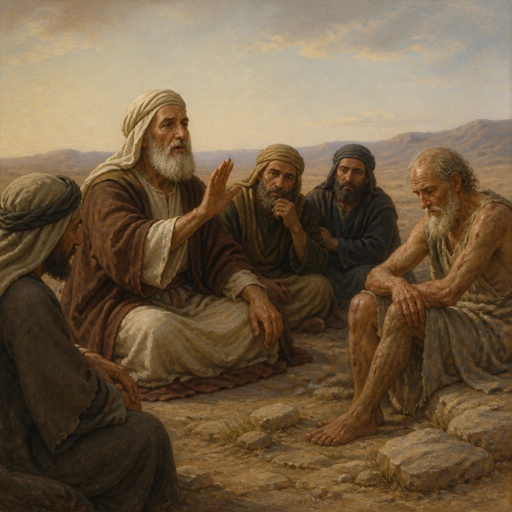
"Then answered Bildad the Shuhite, and said," - Job 25:1

Job 28:20 - "Whence then cometh wisdom? and where is the place of understanding?"

Job 25:3 - "Is there any number of his armies? and upon whom doth not his light arise?"

Job 34:25 - "Therefore he knoweth their works, and he overturneth them in the night, so that they are destroyed."

Job 9:25 - "Now my days are swifter than a post: they flee away, they see no good."

Job 22:25 - "Yea, the Almighty shall be thy defence, and thou shalt have plenty of silver."

Job 36:20 - "Desire not the night, when people are cut off in their place."

Job 15:25 - "For he stretcheth out his hand against God, and strengtheneth himself against the Almighty."

Job 25:4 - "How then can man be justified with God? or how can he be clean that is born of a woman?"

Job 13:25 - "Wilt thou break a leaf driven to and fro? and wilt thou pursue the dry stubble?"