What does Job 20:4 mean?
“Knowest thou not this of old, since man was placed upon earth,” — Job 20:4
Job 20:4 in the King James Version reads, "Knowest thou not this of old, since man was placed upon earth." This verse is part of a larger passage in the book of Job, where one of Job's friends, Zophar, is speaking to him. Zophar, along with two other friends, have come to comfort Job in his suffering, but end up lecturing him and accusing him of wrongdoing. The book of Job is a complex and profound exploration of the nature of suffering, faith, and God's justice, and this particular verse reflects the theme of the timeless wisdom of humanity.
The verse begins with Zophar's condescending question to Job, "Knowest thou not this of old." Zophar is essentially implying that the knowledge he is about to share is something that should be obvious and well-known to everyone, including Job. This sets the tone for Zophar's arrogant and self-righteous attitude throughout his speech.
The phrase "since man was placed upon earth" emphasizes the timeless nature of the knowledge Zophar is claiming. He is essentially presenting his perspective as a universal truth that has existed for as long as humanity itself. This also reflects the belief in the ancient author's worldview that the wisdom they were sharing had been passed down through generations from the time of creation.
This verse is significant in the context of the book of Job as it represents the flawed human perspective on suffering and God's justice. Zophar, like Job's other friends, is convinced that suffering is a result of sin and that Job must have done something to deserve his afflictions. However, as the reader knows from the prologue of the book, Job is actually blameless, and his suffering is a test of his faith rather than a punishment for sin.
The verse also reflects the broader theme of the book of Job, which is the exploration of the limitations of human understanding in the face of suffering and God's justice. Zophar and the other friends speak from a place of arrogance and self-righteousness, believing that they have all the answers and that Job's suffering can be easily explained. However, as the book progresses, it becomes clear that their understanding is limited, and God's ways are beyond their comprehension.
In terms of symbolism, the verse can be seen as a representation of the human tendency to rely on traditional wisdom and conventional understanding when faced with difficult questions. Zophar's appeal to ancient knowledge and universal truth is a reflection of the human desire for certainty and stability in the face of uncertainty and chaos. However, as the book of Job ultimately shows, this kind of wisdom is inadequate when grappling with the deeper mysteries of life and faith.
Overall, Job 20:4 is a significant verse in the book of Job that reflects the flawed human perspective on suffering and God's justice. It encapsulates the themes of arrogance, limited understanding, and the timeless nature of human wisdom. It serves as a reminder of the limitations of human knowledge and the complexity of the divine.
Get our apps


Artwork for Job 20:4

Job 20:4 - "Knowest thou not this of old, since man was placed upon earth,"

"Knowest thou not this of old, since man was placed upon earth," - Job 20:4

Job 4:20 - "They are destroyed from morning to evening: they perish for ever without any regarding it."

"They are destroyed from morning to evening: they perish for ever without any regarding it." - Job 4:20

Job 1:20

Job 1:20

Job 3:20-21 - "Job 3:20-21: Why is light given to those in misery, and life to the bitter of soul, to those who long for death that does not come, who search for it more than for hidden treasure?"

Job 1:20 - "Then Job arose, and rent his mantle, and shaved his head, and fell down upon the ground, and worshipped,"

Job 20:5 - "That the triumphing of the wicked is short, and the joy of the hypocrite but for a moment?"

Job 20:1 - "Then answered Zophar the Naamathite, and said,"

Eliphaz speaks to Job in Job 4.

Job 20:20 - "Surely he shall not feel quietness in his belly, he shall not save of that which he desired."

Job 28:20 - "Whence then cometh wisdom? and where is the place of understanding?"

Job 36:20 - "Desire not the night, when people are cut off in their place."

Job 20:17 - "He shall not see the rivers, the floods, the brooks of honey and butter."

Job 3:20 - "Wherefore is light given to him that is in misery, and life unto the bitter in soul;"

Job 29:20 - "My glory was fresh in me, and my bow was renewed in my hand."

Job 22:20 - "Whereas our substance is not cut down, but the remnant of them the fire consumeth."

Job 33:20 - "So that his life abhorreth bread, and his soul dainty meat."

Job 6:20 - "They were confounded because they had hoped; they came thither, and were ashamed."

Job 20:13 - "Though he spare it, and forsake it not; but keep it still within his mouth:"

Job 12:20 - "He removeth away the speech of the trusty, and taketh away the understanding of the aged."

Job 32:4 - "Now Elihu had waited till Job had spoken, because they were elder than he."
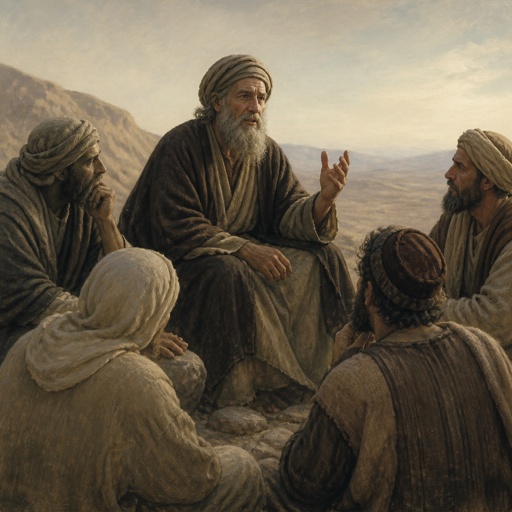
"Then answered Zophar the Naamathite, and said," - Job 20:1

Job 32:20 - "I will speak, that I may be refreshed: I will open my lips and answer."

Job 27:20 - "Terrors take hold on him as waters, a tempest stealeth him away in the night."

Job 39:20 - "Canst thou make him afraid as a grasshopper? the glory of his nostrils is terrible."

Job 20:2 - "Therefore do my thoughts cause me to answer, and for this I make haste."

Job 20:29 - "This is the portion of a wicked man from God, and the heritage appointed unto him by God."
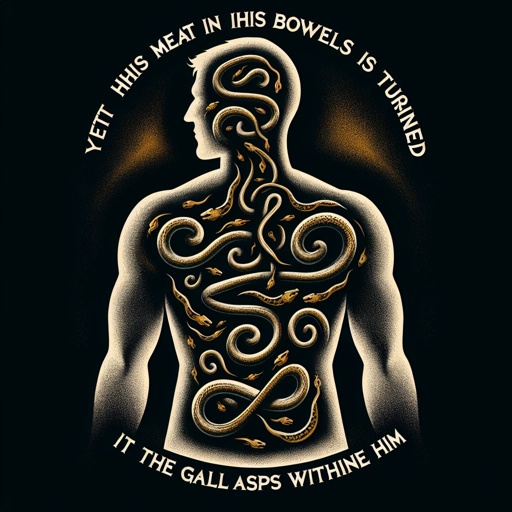
Job 20:14 - "Yet his meat in his bowels is turned, it is the gall of asps within him."