What does Job 21:15 mean?
“What is the Almighty, that we should serve him? and what profit should we have, if we pray unto him?” — Job 21:15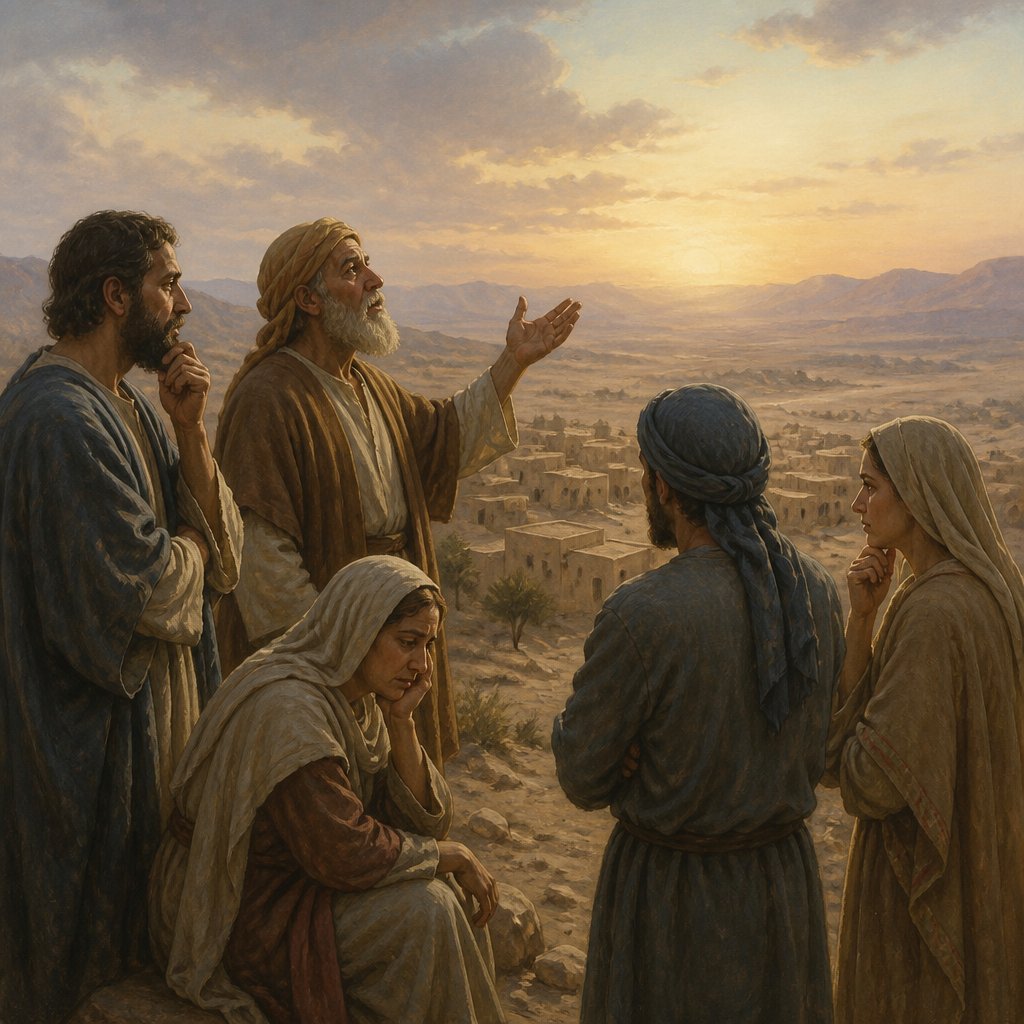
Job 21:15 (KJV) states, "What is the Almighty, that we should serve him? and what profit should we have, if we pray unto him?" This verse from the book of Job is part of a larger conversation that Job is having with his friends about the nature of suffering and the apparent injustice in the world. Job's friends are trying to convince him that his suffering is a result of his sin, and they are urging him to repent and seek God's forgiveness. However, Job is questioning the validity of their claims and is challenging their understanding of God's nature and the reasons for serving Him.
The verse starts with the question, "What is the Almighty, that we should serve Him?" This question reflects Job's doubt about the purpose of serving God. It suggests a sense of disillusionment and confusion. Job is questioning the value of serving God, especially in light of his own suffering. It is a deeply existential question that challenges the very essence of faith and religious devotion. Job is essentially asking, "What is the point of serving a God who allows such immense suffering?"
The second part of the verse asks, "and what profit should we have, if we pray unto him?" Here, Job is questioning the benefits of prayer and seeking God. He is challenging the notion that praying to God will bring any tangible rewards or results. It is a rhetorical question that reflects Job's skepticism and disillusionment with the idea of seeking God's help.
The verse encapsulates the central theme of the Book of Job, which is the problem of suffering and the apparent silence of God in the face of it. Job's suffering is profound, and he is grappling with the injustice of his situation. He is struggling to make sense of his suffering and the seemingly arbitrary nature of God's actions. The verse speaks to the universal human experience of grappling with the question of why bad things happen to good people.
In a broader context, the Book of Job is part of the wisdom literature in the Old Testament and explores complex philosophical and theological questions. It delves into the nature of God, the problem of evil, and the limitations of human understanding. Job's friends represent the traditional wisdom understanding that suffering is a result of sin, while Job challenges this belief and seeks to understand God's ways in a deeper and more complex manner.
Symbolically, the verse reflects the struggles and doubts that many people face in their faith journey. It captures the feelings of disillusionment and frustration that can arise when confronted with suffering and seemingly unanswered prayers. It resonates with the human experience of grappling with the meaning and purpose of serving and seeking God in the midst of suffering and hardship.
Ultimately, the verse invites readers to engage with the profound questions it raises and to wrestle with the complexities of faith, suffering, and the nature of God. It challenges us to confront our own doubts and uncertainties and to seek a deeper understanding of God's ways, even in the midst of profound suffering. It is a reminder that faith is not always easy and that it requires honest reflection and engagement with the difficult questions of life.
Get our apps


Artwork for Job 21:15

Job 21:15 - "What is the Almighty, that we should serve him? and what profit should we have, if we pray unto him?"

"What is the Almighty, that we should serve him? and what profit should we have, if we pray unto him?" - Job 21:15

Job 15:21 - "A dreadful sound is in his ears: in prosperity the destroyer shall come upon him."
"A dreadful sound is in his ears: in prosperity the destroyer shall come upon him." - Job 15:21

Job 21:1 - "But Job answered and said,"

"But Job answered and said," - Job 21:1

Job 1:21

Job 1:21

Job 3:20-21 - "Job 3:20-21: Why is light given to those in misery, and life to the bitter of soul, to those who long for death that does not come, who search for it more than for hidden treasure?"

Job 21:21 - "For what pleasure hath he in his house after him, when the number of his months is cut off in the midst?"

Job 15:15 - "Behold, he putteth no trust in his saints; yea, the heavens are not clean in his sight."

Job 15:1 - "Then answered Eliphaz the Temanite, and said,"

Job 21:12 - "They take the timbrel and harp, and rejoice at the sound of the organ."

Job 21:8 - "Their seed is established in their sight with them, and their offspring before their eyes."

Job 21:2 - "Hear diligently my speech, and let this be your consolations."

Job 42:15 - "And in all the land were no women found so fair as the daughters of Job: and their father gave them inheritance among their brethren."

Job 21:13 - "They spend their days in wealth, and in a moment go down to the grave."

Job 21:18 - "They are as stubble before the wind, and as chaff that the storm carrieth away."

Job 18:21 - "Surely such are the dwellings of the wicked, and this is the place of him that knoweth not God."

Job 21:24 - "His breasts are full of milk, and his bones are moistened with marrow."

Job 12:21 - "He poureth contempt upon princes, and weakeneth the strength of the mighty."

Job 21:10 - "Their bull gendereth, and faileth not; their cow calveth, and casteth not her calf."

Job 21:11 - "They send forth their little ones like a flock, and their children dance."

Job 21:16 - "Lo, their good is not in their hand: the counsel of the wicked is far from me."

Job 40:21 - "He lieth under the shady trees, in the covert of the reed, and fens."

Job 21:25 - "And another dieth in the bitterness of his soul, and never eateth with pleasure."

Job 21:32 - "Yet shall he be brought to the grave, and shall remain in the tomb."

Job 24:21 - "He evil entreateth the barren that beareth not: and doeth not good to the widow."

Luke 15:21

Luke 15:21