What does Job 21:20 mean?
“His eyes shall see his destruction, and he shall drink of the wrath of the Almighty.” — Job 21:20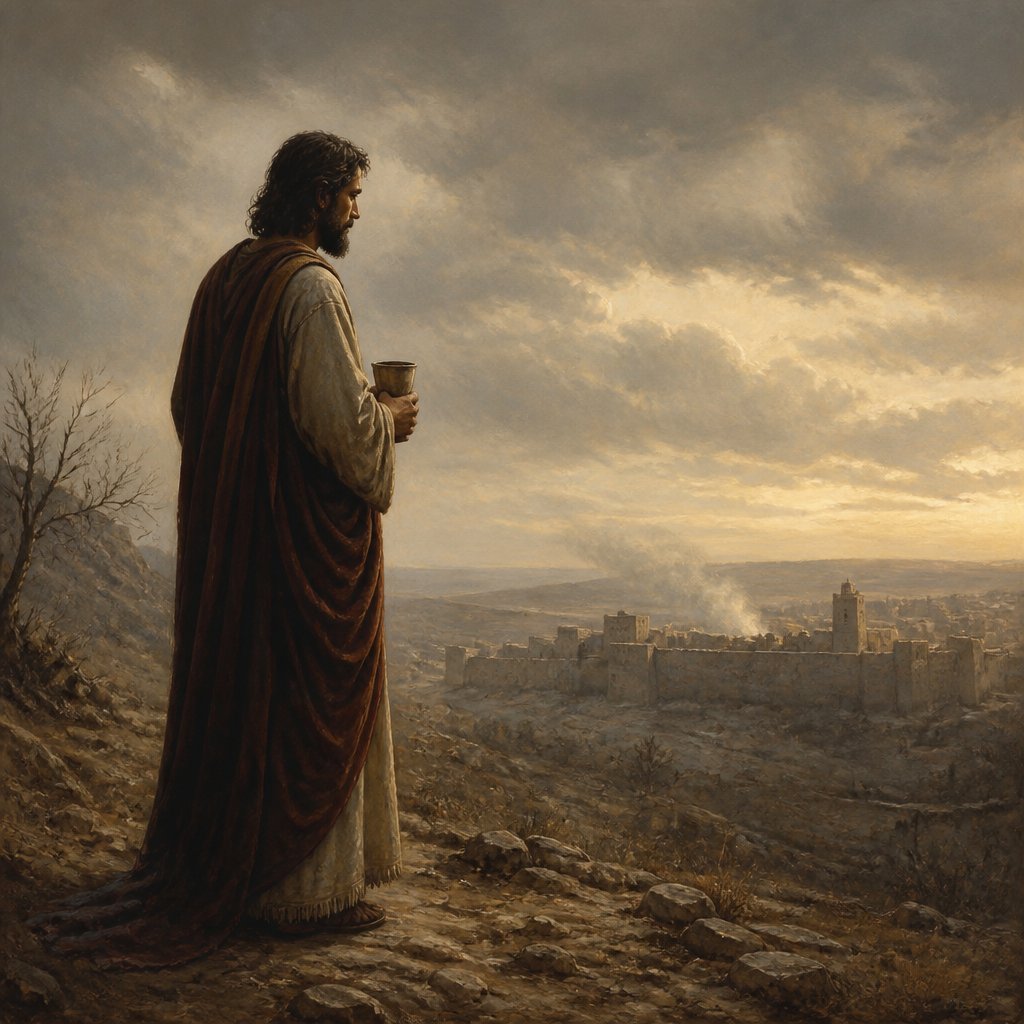
Job 21:20 - "His eyes shall see his destruction, and he shall drink of the wrath of the Almighty."
This verse comes from the Book of Job, which is part of the Old Testament. The Book of Job is a complex and profound exploration of the question of why the righteous suffer. The central character, Job, is a man who faces immense suffering and loss, yet remains faithful to God. The verse in question comes from a chapter in which Job is responding to his friends, who are trying to convince him that his suffering is a result of his own sinfulness. In this verse, Job is describing the fate of the wicked, implying that they will eventually face God's judgment and experience the full force of His wrath.
The verse begins with "His eyes shall see his destruction," which suggests that the wicked will be fully aware of the consequences of their actions. They will witness the downfall of their own plans and ambitions, and come to understand the depth of their own demise. This idea is echoed in other parts of the Bible, such as Proverbs 1:31, which states "they shall eat the fruit of their own way, and be filled with their own devices." The implication here is that the wicked will ultimately reap what they sow, and their own actions will lead to their downfall.
The second part of the verse states "and he shall drink of the wrath of the Almighty." This imagery of drinking the wrath of God is a powerful and evocative way of describing the full weight of divine judgment. The idea of drinking implies not just experiencing, but fully and intimately knowing the consequences of one's actions. It also suggests that the wrath of God is a consuming force, one that will envelop and overwhelm the wicked completely. In the Old Testament, the idea of drinking the cup of God's wrath is a recurring theme, and is often used as a symbol of divine judgment. For example, in Jeremiah 25:15, it is written "Take this cup of the wine of wrath at my hand, and cause all the nations, to whom I send thee, to drink it." This imagery underscores the seriousness and inevitability of God's judgment, and the idea that the wicked will ultimately face the consequences of their actions.
The broader context of this verse is crucial to understanding its full meaning. Job is engaged in a debate with his friends about the nature of suffering and the justice of God. Job's friends argue that suffering is a result of sin, and that the righteous are always rewarded while the wicked are punished. Job, however, is suffering despite his righteousness, and this verse is part of his response to his friends' claims. In this context, the verse can be seen as a rejection of the simplistic idea that the wicked always face immediate and obvious consequences for their actions. Instead, Job is pointing to a deeper truth: that the wicked may seem to prosper and escape judgment in this life, but they will ultimately face the full weight of God's wrath.
The themes of justice, suffering, and divine judgment are central to this verse. It speaks to the idea that the wicked may seem to prosper in this life, but will ultimately face the consequences of their actions. It also reflects the broader themes of the Book of Job, which grapples with the age-old question of why the innocent suffer, and the relationship between human actions and divine justice.
In conclusion, Job 21:20 is a powerful and evocative verse that speaks to the inevitability of divine judgment. It uses vivid imagery to convey the idea that the wicked will ultimately experience the full weight of God's wrath, and that their seemingly prosperous lives will ultimately lead to their downfall. In the broader context of the Book of Job, it is part of a complex and profound exploration of suffering, justice, and the ways of God. This verse serves as a reminder that divine justice operates on a deeper level than simple cause and effect, and that the wicked will ultimately face the consequences of their actions.
Get our apps


Artwork for Job 21:20

Job 21:20 - "His eyes shall see his destruction, and he shall drink of the wrath of the Almighty."
"His eyes shall see his destruction, and he shall drink of the wrath of the Almighty." - Job 21:20

Job 3:20-21 - "Job 3:20-21: Why is light given to those in misery, and life to the bitter of soul, to those who long for death that does not come, who search for it more than for hidden treasure?"

Job 20:21 - "There shall none of his meat be left; therefore shall no man look for his goods."

"Job 3:20-21: Why is light given to those in misery, and life to the bitter of soul, to those who long for death that does not come, who search for it more than for hidden treasure?" - Job 3:20-21
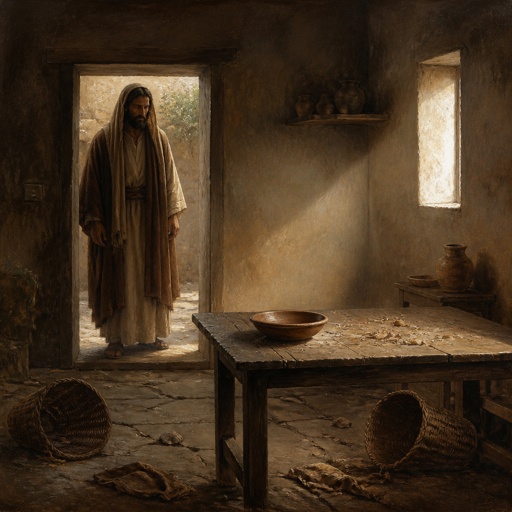
"There shall none of his meat be left; therefore shall no man look for his goods." - Job 20:21

Job 21:1 - "But Job answered and said,"

"But Job answered and said," - Job 21:1

Job 1:21

Job 1:20

Job 1:20

Job 1:21

Job 1:20 - "Then Job arose, and rent his mantle, and shaved his head, and fell down upon the ground, and worshipped,"

Job 20:5 - "That the triumphing of the wicked is short, and the joy of the hypocrite but for a moment?"

Job 20:1 - "Then answered Zophar the Naamathite, and said,"

Job 20:20 - "Surely he shall not feel quietness in his belly, he shall not save of that which he desired."

Luke 13:20-21

Luke 13:20-21
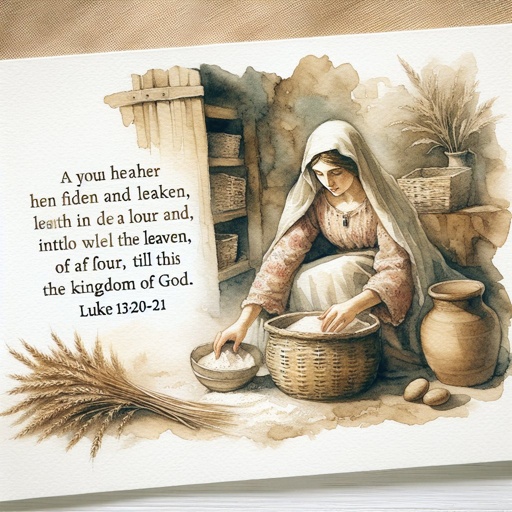
Luke 13:20-21

Luke 13:20-21

Luke 13:20-21

Job 21:21 - "For what pleasure hath he in his house after him, when the number of his months is cut off in the midst?"

Genesis 21-20

John 20:21

Job 28:20 - "Whence then cometh wisdom? and where is the place of understanding?"

Job 21:12 - "They take the timbrel and harp, and rejoice at the sound of the organ."

Job 21:8 - "Their seed is established in their sight with them, and their offspring before their eyes."

Job 21:2 - "Hear diligently my speech, and let this be your consolations."

Job 36:20 - "Desire not the night, when people are cut off in their place."

Job 21:13 - "They spend their days in wealth, and in a moment go down to the grave."