What does Job 22:2 mean?
"Can a man be profitable unto God, as he that is wise may be profitable unto himself?" - Job 22:2
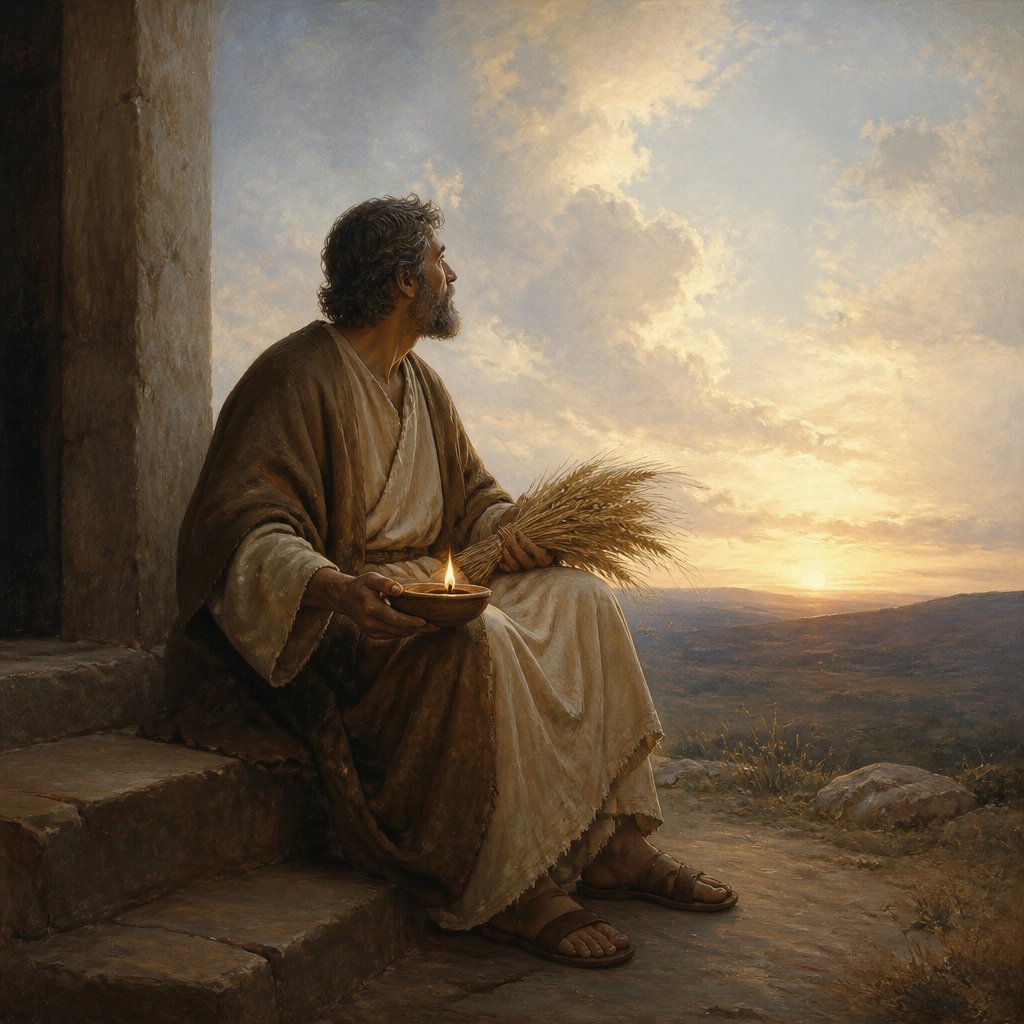
Job 22:2 in the King James Version (KJV) of the Bible reads, "Can a man be profitable unto God, as he that is wise may be profitable unto himself?" This verse is found in the book of Job, which is situated in the Old Testament and is known for its exploration of the problem of suffering and the sovereignty of God. The book of Job is a poetic and philosophical work that seeks to understand the nature of suffering and the reasons behind it.
The verse in question is part of a speech delivered by one of Job's friends, Eliphaz the Temanite. In this speech, Eliphaz is trying to persuade Job that he must have sinned in some way to have brought upon himself the intense suffering he is experiencing. The tone of his speech is accusatory and he implies that Job's suffering is the result of his own sinfulness. The verse serves as a rhetorical question, implying that a man cannot be profitable to God in the same way that he can be profitable to himself through wisdom and good deeds.
The themes and context of this verse are deeply rooted in the broader themes of the book of Job, particularly the concept of divine justice and human suffering. Eliphaz's speech reflects the common ancient belief that suffering was a punishment for sin, and that righteousness would lead to prosperity. This belief is known as the "retribution principle," and it forms the theological backdrop against which the book of Job plays out.
Through Eliphaz's question, the verse also touches on the theme of the nature of humanity and our relationship with God. It raises the question of whether humans can truly influence or benefit God in any way, and whether our actions have any impact on the divine realm. This ties into the broader philosophical and theological debates about human agency and the nature of God's sovereignty and providence.
The verse can also be seen as a commentary on the value and purpose of wisdom. It suggests that wisdom and righteousness can be profitable to oneself, implying that they bring personal benefits and rewards. However, it raises the question of whether these qualities have any intrinsic value in the eyes of God, and whether they can truly make a person "profitable" to Him.
Symbolically, the verse can be seen as a representation of the limitations of human understanding in the face of divine mystery. It reflects the struggle of humans to comprehend the ways of God and understand the reasons behind suffering and adversity. The rhetorical question posed by Eliphaz highlights the inherent unknowability of God's ways and the inscrutability of His purposes.
In conclusion, Job 22:2 in the King James Version of the Bible raises profound questions about the nature of suffering, the relationship between humanity and God, and the value of righteousness and wisdom. It is deeply embedded in the larger themes and theological debates of the book of Job, and it serves as a powerful expression of the human struggle to comprehend the nature of the divine. As such, it continues to provoke thought and reflection for readers and scholars seeking to grapple with the profound issues it raises.
Have questions about Job 22:2?
Dive deeper into this scripture with Bible Chat — an AI-powered tool for exploring God's Word through conversation. Ask questions, get context, and grow in your understanding of the Bible.
Get Our Apps


Job 22:2 Artwork
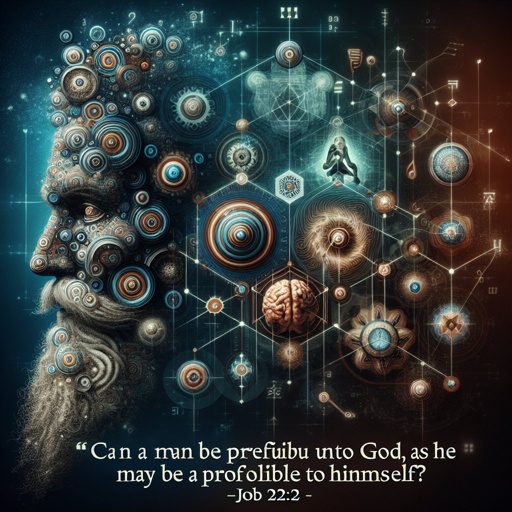
Job 22:2 - "Can a man be profitable unto God, as he that is wise may be profitable unto himself?"
"Can a man be profitable unto God, as he that is wise may be profitable unto himself?" - Job 22:2

Job 1:22 - "In all this Job sinned not, nor charged God foolishly."

Job 22:1 - "Then Eliphaz the Temanite answered and said,"

Job 22:22 - "Receive, I pray thee, the law from his mouth, and lay up his words in thine heart."

"In all this Job sinned not, nor charged God foolishly." - Job 1:22

Job 22:5 - "Is not thy wickedness great? and thine iniquities infinite?"

Job 22:19 - "The righteous see it, and are glad: and the innocent laugh them to scorn."

Job 41:22 - "In his neck remaineth strength, and sorrow is turned into joy before him."

Job 22:11 - "Or darkness, that thou canst not see; and abundance of waters cover thee."

Job 37:22 - "Fair weather cometh out of the north: with God is terrible majesty."

Job 22:8 - "But as for the mighty man, he had the earth; and the honourable man dwelt in it."

Job 22:12 - "Is not God in the height of heaven? and behold the height of the stars, how high they are!"

Job 3:22 - "Which rejoice exceedingly, and are glad, when they can find the grave?"

Job 3:2 - "And Job spake, and said,"

Job 22:30 - "He shall deliver the island of the innocent: and it is delivered by the pureness of thine hands."

Job 19:22 - "Why do ye persecute me as God, and are not satisfied with my flesh?"

Job 22:4 - "Will he reprove thee for fear of thee? will he enter with thee into judgment?"

Job 22:20 - "Whereas our substance is not cut down, but the remnant of them the fire consumeth."

Job 9:22 - "This is one thing, therefore I said it, He destroyeth the perfect and the wicked."

"Then Eliphaz the Temanite answered and said," - Job 22:1

Job 22:10 - "Therefore snares are round about thee, and sudden fear troubleth thee;"

Job 36:22 - "Behold, God exalteth by his power: who teacheth like him?"

Job 40:22 - "The shady trees cover him with their shadow; the willows of the brook compass him about."

Job 34:22 - "There is no darkness, nor shadow of death, where the workers of iniquity may hide themselves."

Job 22:15 - "Hast thou marked the old way which wicked men have trodden?"

Job 33:22 - "Yea, his soul draweth near unto the grave, and his life to the destroyers."

Job 13:22 - "Then call thou, and I will answer: or let me speak, and answer thou me."

Job 22:24 - "Then shalt thou lay up gold as dust, and the gold of Ophir as the stones of the brooks."

Job 15:22 - "He believeth not that he shall return out of darkness, and he is waited for of the sword."