What does Job 22:6 mean?
"For thou hast taken a pledge from thy brother for nought, and stripped the naked of their clothing." - Job 22:6
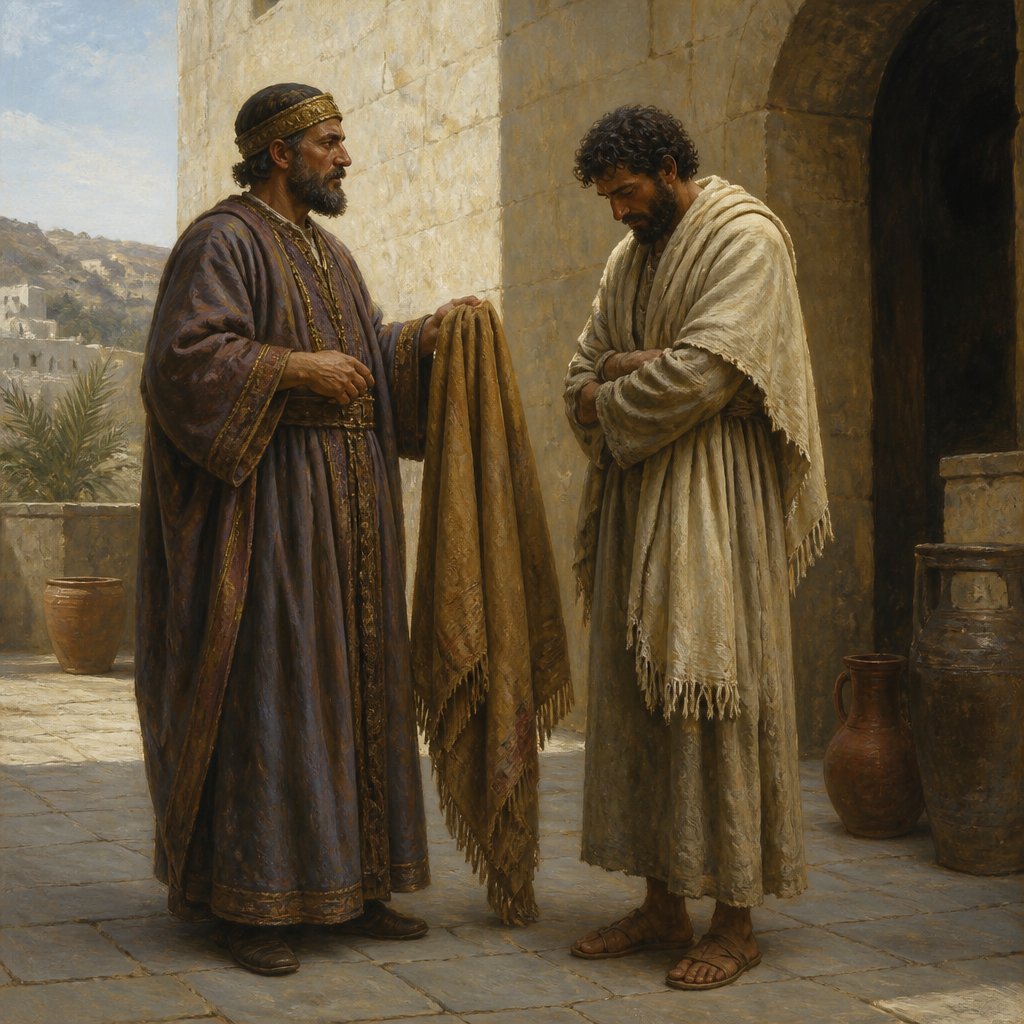
Job 22:6 in the King James Version (KJV) of the Bible states, "For thou hast taken a pledge from thy brother for nought, and stripped the naked of their clothing." This verse is part of the speech of Eliphaz, one of Job's friends, as he accuses Job of various wrongdoings.
To understand the full meaning and significance of this verse, it is important to understand the context in which it appears. The book of Job is a complex and profound exploration of the nature of suffering and theodicy. The central figure, Job, is a righteous man who experiences immense suffering, which leads to deep questions about the nature of God and the problem of evil. Eliphaz, along with two other friends, comes to comfort and counsel Job, but their attempts to explain his suffering ultimately fall short.
In Job 22, Eliphaz accuses Job of various sins and wrongdoings, seeking to justify Job's suffering as a result of his supposed transgressions. In this particular verse, Eliphaz accuses Job of taking a pledge from his brother for nothing and stripping the naked of their clothing. Here, Eliphaz is accusing Job of exploiting the vulnerable and acting unjustly in his dealings with others.
The theme of justice and righteousness is central to this verse, as well as the broader passage in which it appears. Eliphaz is suggesting that Job's suffering is a result of his own moral failures and ethical shortcomings. This raises profound questions about the nature of suffering and the role of personal sin in the midst of adversity. It also highlights the importance of treating others justly and with compassion, especially the most vulnerable members of society.
The mention of taking a pledge from thy brother for nought and stripping the naked of their clothing carries powerful symbolism. In the ancient Near Eastern context in which the book of Job is set, the act of taking a pledge had significant ethical and legal implications. It was a way of ensuring a promise or agreement, and to take a pledge from one's brother for nothing would have been a clear violation of trust and fairness.
Similarly, the image of stripping the naked of their clothing speaks to the vulnerability of the poor and marginalized in society. In the biblical worldview, caring for the poor and protecting the vulnerable was a central ethical and moral imperative. Therefore, Eliphaz's accusation of these actions against Job is a powerful indictment of his supposed moral failings.
Ultimately, this verse serves as a reminder of the importance of justice, compassion, and ethical conduct in our dealings with others. It also raises important questions about the relationship between personal sin and suffering, and the limitations of human understanding when it comes to the mysteries of God's ways. The book of Job as a whole challenges simplistic notions of divine retribution and invites readers to wrestle with the complexities of human experience and the nature of faith.
In conclusion, Job 22:6 in the King James Version offers a potent reflection on the themes of justice, compassion, and theodicy within the broader context of the book of Job. It invites readers to consider the complexities of human suffering and the challenges of understanding the ways of God, while also emphasizing the importance of ethical conduct and care for the vulnerable in society.
Have questions about Job 22:6?
Dive deeper into this scripture with Bible Chat — an AI-powered tool for exploring God's Word through conversation. Ask questions, get context, and grow in your understanding of the Bible.
Get Our Apps


Job 22:6 Artwork

Job 22:6 - "For thou hast taken a pledge from thy brother for nought, and stripped the naked of their clothing."
"For thou hast taken a pledge from thy brother for nought, and stripped the naked of their clothing." - Job 22:6

Job 6:22 - "Did I say, Bring unto me? or, Give a reward for me of your substance?"
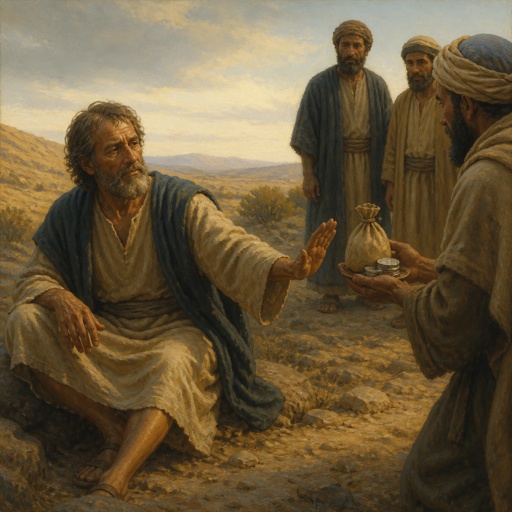
"Did I say, Bring unto me? or, Give a reward for me of your substance?" - Job 6:22

Job 1:22 - "In all this Job sinned not, nor charged God foolishly."

Job 6:1 - "But Job answered and said,"

Job 40:6 - "¶ Then answered the LORD unto Job out of the whirlwind, and said,"

Job 22:1 - "Then Eliphaz the Temanite answered and said,"

Job 22:22 - "Receive, I pray thee, the law from his mouth, and lay up his words in thine heart."

"But Job answered and said," - Job 6:1

"In all this Job sinned not, nor charged God foolishly." - Job 1:22

Job 22:5 - "Is not thy wickedness great? and thine iniquities infinite?"

Job 22:19 - "The righteous see it, and are glad: and the innocent laugh them to scorn."

Job 41:22 - "In his neck remaineth strength, and sorrow is turned into joy before him."

Job 27:6

Job 22:11 - "Or darkness, that thou canst not see; and abundance of waters cover thee."

Job 6:6 - "Can that which is unsavoury be eaten without salt? or is there any taste in the white of an egg?"

Job 37:22 - "Fair weather cometh out of the north: with God is terrible majesty."

Job 22:8 - "But as for the mighty man, he had the earth; and the honourable man dwelt in it."

Job 22:12 - "Is not God in the height of heaven? and behold the height of the stars, how high they are!"

Job 3:22 - "Which rejoice exceedingly, and are glad, when they can find the grave?"

Job 22:30 - "He shall deliver the island of the innocent: and it is delivered by the pureness of thine hands."

Job 19:22 - "Why do ye persecute me as God, and are not satisfied with my flesh?"

Job 22:4 - "Will he reprove thee for fear of thee? will he enter with thee into judgment?"

Job 22:20 - "Whereas our substance is not cut down, but the remnant of them the fire consumeth."

Job 9:22 - "This is one thing, therefore I said it, He destroyeth the perfect and the wicked."

"Then Eliphaz the Temanite answered and said," - Job 22:1

Job 22:10 - "Therefore snares are round about thee, and sudden fear troubleth thee;"

Job 36:22 - "Behold, God exalteth by his power: who teacheth like him?"

Job 40:22 - "The shady trees cover him with their shadow; the willows of the brook compass him about."