What does Job 22:19 mean?
“The righteous see it, and are glad: and the innocent laugh them to scorn.” — Job 22:19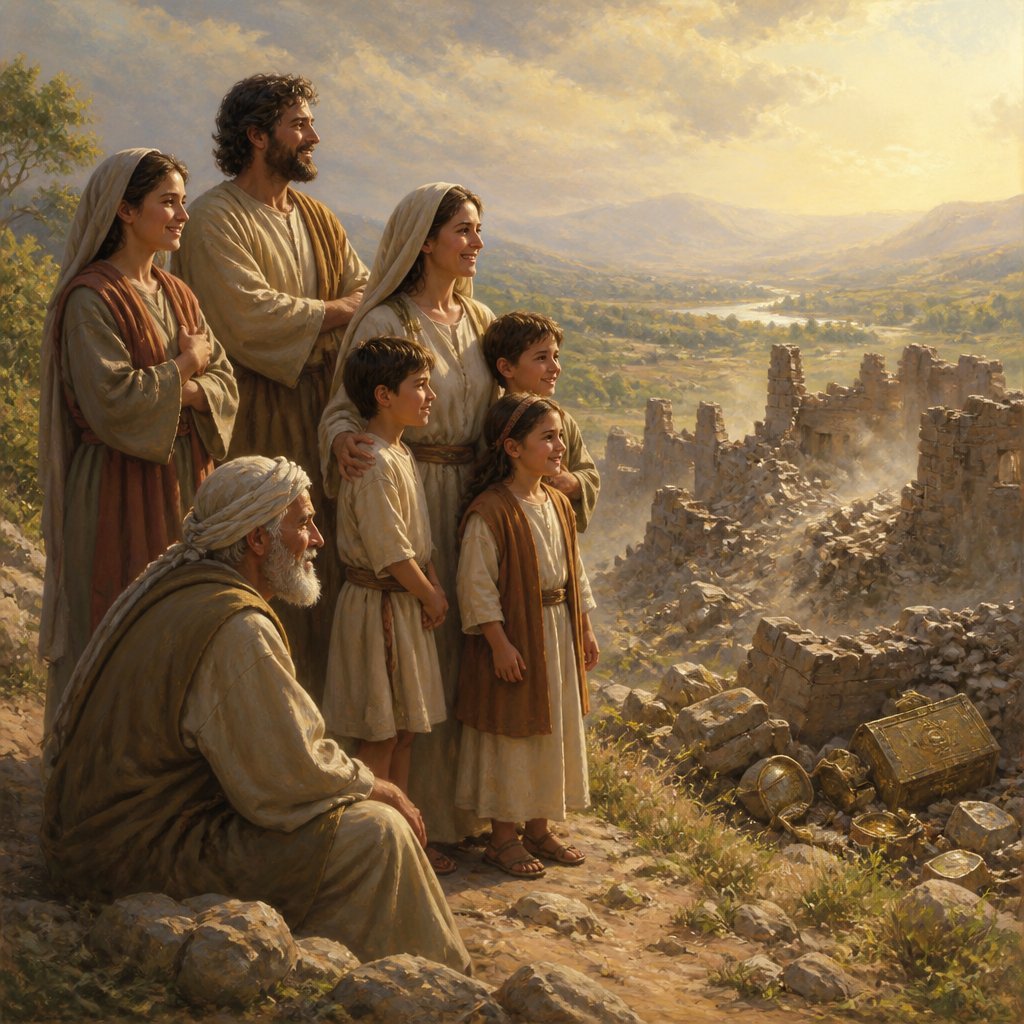
Job 22:19 in the King James Version (KJV) of the Bible reads, "The righteous see it, and are glad: and the innocent laugh them to scorn." This particular verse is found within the Book of Job, which is widely regarded as one of the most profound and complex books in the entire Bible. The Book of Job has been a subject of study and interpretation for centuries, and this verse is no exception. In order to fully understand the meaning and significance of Job 22:19, it is necessary to examine it within the broader context of the Book of Job and the themes and symbolism that are present throughout the entire text.
The Book of Job is a narrative that centers around the character of Job, a righteous and blameless man who undergoes immense suffering and hardship as a result of a wager made between God and Satan. Job experiences the loss of his wealth, his children, and his health, leading him to question the nature of God and the concept of suffering. Throughout the book, Job engages in a series of debates and conversations with his friends, who attempt to explain the reason for his suffering. In Job 22, one of Job's friends, Eliphaz the Temanite, speaks to Job and accuses him of various sins that have led to his suffering. In Job 22:19, Eliphaz refers to the reactions of the righteous and the innocent to highlight what he perceives as Job's incorrect understanding of the relationship between righteousness and suffering.
The verse itself can be interpreted in a variety of ways, but one notable interpretation is that it reflects the idea of divine justice and retribution. The "it" that the righteous see and are glad about may refer to the punishment of the wicked or the vindication of the righteous. The righteous, who uphold moral and ethical standards, would presumably take pleasure in the execution of justice and the defeat of evil. On the other hand, the "innocent" who laugh them to scorn may be those who are falsely accused or unjustly persecuted. Their scorn may indicate a disbelief or rejection of the so-called justice being carried out, as it does not align with their own understanding of righteousness and innocence.
This verse, and the entire Book of Job, raises important questions about the nature of suffering, the presence of evil in the world, and the role of righteousness in the face of adversity. In the context of Job 22:19, the theme of justice and the moral order of the universe is prominent. The verse speaks to the human desire for righteousness and justice, and the hope that such principles will ultimately prevail.
Job 22:19 can also be viewed as a manifestation of the broader theme of divine sovereignty. Throughout the Book of Job, there is a profound exploration of God's omnipotence and omniscience, and the ways in which human beings attempt to grapple with the mysteries of God's intentions and actions. In this verse, the reactions of the righteous and the innocent are presented as responses to the workings of divine justice, and by extension, the will of God. The righteous see it and are glad, suggesting an acceptance and alignment with the divine plan, while the innocent laugh them to scorn, indicating a rejection of the perceived injustice or falsehood.
Additionally, there are elements of symbolism present within Job 22:19. The laughter and scorn mentioned in the verse can be seen as symbolic of the complexity and nuance of human emotion in the face of suffering and injustice. Laughter often connotes joy and mirth, yet in this context, it is linked to scorn, which suggests a bitter or mocking quality. These contrasting emotions may reflect the internal struggles of individuals as they grapple with the challenges of life and the apparent contradictions of divine justice.
In conclusion, Job 22:19 is a thought-provoking and enigmatic verse that encapsulates many of the central themes and motifs present throughout the Book of Job. It delves into questions of righteousness, justice, and divine sovereignty, while also offering rich symbolism and depth of meaning. As with much of the Book of Job, the verse invites us to ponder the complexities of human experience and the nature of God's relationship to the world.
Get our apps


Artwork for Job 22:19

Job 22:19 - "The righteous see it, and are glad: and the innocent laugh them to scorn."
"The righteous see it, and are glad: and the innocent laugh them to scorn." - Job 22:19

Job 19:22 - "Why do ye persecute me as God, and are not satisfied with my flesh?"
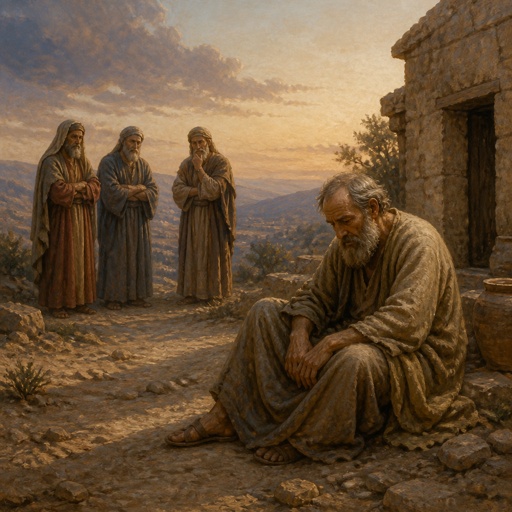
"Why do ye persecute me as God, and are not satisfied with my flesh?" - Job 19:22

Job 19:1 - "Then Job answered and said,"

Job 1:22 - "In all this Job sinned not, nor charged God foolishly."

"Then Job answered and said," - Job 19:1

Job 18-19

Job 22:1 - "Then Eliphaz the Temanite answered and said,"

Job 19:19 - "All my inward friends abhorred me: and they whom I loved are turned against me."

Job 22:22 - "Receive, I pray thee, the law from his mouth, and lay up his words in thine heart."

"In all this Job sinned not, nor charged God foolishly." - Job 1:22

Genesis 22:19

Job 22:5 - "Is not thy wickedness great? and thine iniquities infinite?"

Job 8:19 - "Behold, this is the joy of his way, and out of the earth shall others grow."

Job 41:22 - "In his neck remaineth strength, and sorrow is turned into joy before him."

Genesis 19-22

Job 3:19 - "The small and great are there; and the servant is free from his master."

Job 12:19 - "He leadeth princes away spoiled, and overthroweth the mighty."

Job 19:24 - "That they were graven with an iron pen and lead in the rock for ever!"

Job 22:11 - "Or darkness, that thou canst not see; and abundance of waters cover thee."

Job 6:19 - "The troops of Tema looked, the companies of Sheba waited for them."

Job 37:22 - "Fair weather cometh out of the north: with God is terrible majesty."

Job 22:8 - "But as for the mighty man, he had the earth; and the honourable man dwelt in it."

Job 22:12 - "Is not God in the height of heaven? and behold the height of the stars, how high they are!"

Job 3:22 - "Which rejoice exceedingly, and are glad, when they can find the grave?"

Job 22:30 - "He shall deliver the island of the innocent: and it is delivered by the pureness of thine hands."

Job 22:4 - "Will he reprove thee for fear of thee? will he enter with thee into judgment?"

Job 22:20 - "Whereas our substance is not cut down, but the remnant of them the fire consumeth."

Job 9:22 - "This is one thing, therefore I said it, He destroyeth the perfect and the wicked."