What does Job 22:27 mean?
"Thou shalt make thy prayer unto him, and he shall hear thee, and thou shalt pay thy vows." - Job 22:27

Job 22:27 (KJV) states, "Thou shalt make thy prayer unto him, and he shall hear thee, and thou shalt pay thy vows."
This verse is part of a dialogue between Job and his friends in the book of Job. Job is suffering and his friends are trying to understand why, attributing his suffering to sin. In this context, Job's friends argue that if he prays to God and fulfills his vows, his suffering will end.
The verse speaks to the power of prayer and the promise of God's response. It also underscores the importance of fulfilling one's vows to God. The message is that if one seeks God and honors their commitments to Him, He will hear their prayers and respond.
One theme present in this verse is the concept of prayer. Throughout the Bible, prayer is depicted as a vital means of communication between humans and God. It is a way for individuals to express their deepest thoughts, desires, and needs to God. Prayer is seen as a way to seek God's guidance, ask for forgiveness, and seek His intervention in times of trouble. Job 22:27 emphasizes the belief that God not only hears prayers but also responds to them.
The verse also touches on the theme of faithfulness and vows. In ancient Israelite culture, making vows and fulfilling them was taken very seriously. Vows were promises made to God, and they were considered binding. The Bible includes numerous references to vows and emphasizes the importance of fulfilling them. Job 22:27 reinforces this idea, suggesting that honoring one's commitments to God is crucial in receiving His favor and help.
In the broader context of the book of Job, this verse is part of the speeches made by Job's friends as they try to make sense of his suffering. Job's friends are operating under the traditional belief that suffering is a direct result of sin. Their understanding of divine retribution leads them to believe that if Job repents and prays to God, his suffering will end. However, the book of Job challenges this simplistic understanding of suffering, raising questions about the nature of God and the reasons for human suffering.
The symbolism in this verse lies in the act of prayer itself. Prayer is depicted as a powerful tool for connecting with God and seeking His help. It symbolizes humility, dependence on God, and a desire for His intervention. Additionally, the concept of vows symbolizes commitment and dedication to God. By fulfilling vows, individuals demonstrate their faithfulness and loyalty to God.
Overall, Job 22:27 reflects the biblical understanding of prayer, faithfulness, and the importance of fulfilling vows. It emphasizes the belief that God hears prayers and responds to them, as well as the significance of honoring one's commitments to Him. In the context of the book of Job, this verse adds to the ongoing dialogue about the nature of suffering and the ways in which humans connect with the divine.
Have questions about Job 22:27?
Dive deeper into this scripture with Bible Chat — an AI-powered tool for exploring God's Word through conversation. Ask questions, get context, and grow in your understanding of the Bible.
Get Our Apps


Job 22:27 Artwork

Job 22:27 - "Thou shalt make thy prayer unto him, and he shall hear thee, and thou shalt pay thy vows."

"Thou shalt make thy prayer unto him, and he shall hear thee, and thou shalt pay thy vows." - Job 22:27

Job 27:22 - "For God shall cast upon him, and not spare: he would fain flee out of his hand."

Job 27:1 - "Moreover Job continued his parable, and said,"
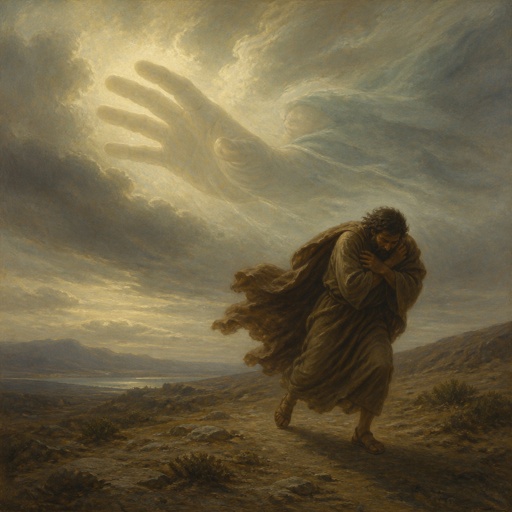
"For God shall cast upon him, and not spare: he would fain flee out of his hand." - Job 27:22

Job 27:6

Job 1:22 - "In all this Job sinned not, nor charged God foolishly."

"Moreover Job continued his parable, and said," - Job 27:1

Job 41:27 - "He esteemeth iron as straw, and brass as rotten wood."

Job 30:27 - "My bowels boiled, and rested not: the days of affliction prevented me."

Job 22:1 - "Then Eliphaz the Temanite answered and said,"

Job 6:27 - "Yea, ye overwhelm the fatherless, and ye dig a pit for your friend."

Job 27:11 - "I will teach you by the hand of God: that which is with the Almighty will I not conceal."

Job 27:3 - "All the while my breath is in me, and the spirit of God is in my nostrils;"

Job 27:18 - "He buildeth his house as a moth, and as a booth that the keeper maketh."

Job 22:22 - "Receive, I pray thee, the law from his mouth, and lay up his words in thine heart."

"In all this Job sinned not, nor charged God foolishly." - Job 1:22

Job 27:7 - "Let mine enemy be as the wicked, and he that riseth up against me as the unrighteous."

Job 27:20 - "Terrors take hold on him as waters, a tempest stealeth him away in the night."

Job 27:17 - "He may prepare it, but the just shall put it on, and the innocent shall divide the silver."

Job 27:9 - "Will God hear his cry when trouble cometh upon him?"

Job 27:10 - "Will he delight himself in the Almighty? will he always call upon God?"

Job 27:16 - "Though he heap up silver as the dust, and prepare raiment as the clay;"

Job 27:14 - "If his children be multiplied, it is for the sword: and his offspring shall not be satisfied with bread."

Job 28:27 - "Then did he see it, and declare it; he prepared it, yea, and searched it out."

Matthew 22:27 - "And last of all the woman died also."

Job 22:5 - "Is not thy wickedness great? and thine iniquities infinite?"

Job 20:27 - "The heaven shall reveal his iniquity; and the earth shall rise up against him."

Job 27:12 - "Behold, all ye yourselves have seen it; why then are ye thus altogether vain?"

Job 27:23 - "Men shall clap their hands at him, and shall hiss him out of his place."