What does Job 23:13 mean?
“But he is in one mind, and who can turn him? and what his soul desireth, even that he doeth.” — Job 23:13
Job 23:13 in the King James Version (KJV) of the Bible reads: "But he is in one mind, and who can turn him? and what his soul desireth, even that he doeth."
This verse is part of a larger passage in the book of Job where Job is expressing his longing for a face-to-face encounter with God. In the midst of his suffering and despair, Job yearns for the opportunity to present his case before God and receive an explanation for the hardships he has endured.
The verse can be understood in two parts. The first part speaks to the unity and steadfastness of God's purpose and will. The second part speaks to the sovereignty and authority of God to do as he pleases.
The first part of the verse, "But he is in one mind, and who can turn him?", emphasizes the unchanging and unwavering nature of God's decisions and plans. It speaks to the fact that God's mind and will are fully unified and cannot be influenced or altered by anyone or anything. This reflects the belief in the omnipotence and omniscience of God, highlighting the idea that he is not subject to human whims or desires, but operates according to his own divine wisdom and purpose.
This idea is found throughout the Bible, emphasizing the sovereignty of God over all creation. In the Old Testament, the prophet Isaiah declares, "I am God, and there is none like me, declaring the end from the beginning, and from ancient times the things that are not yet done, saying, My counsel shall stand, and I will do all my pleasure" (Isaiah 46:9-10). This verse aligns with the sentiment expressed in Job 23:13, emphasizing the unchanging and decisive nature of God's will.
The second part of the verse, "and what his soul desireth, even that he doeth", further emphasizes God's sovereignty and authority. It asserts that whatever God desires or wills, he will bring to pass. This speaks to the unlimited power and ability of God to accomplish his purposes and fulfill his plans without interference or opposition.
This idea is echoed throughout the Bible, particularly in the Psalms and the prophetic books, where God's lordship and control over all things are emphasized. Psalm 135:6 declares, "Whatsoever the Lord pleased, that did he in heaven, and in earth, in the seas, and all deep places". This verse reaffirms God's ability to bring about his will in all spheres of existence, further emphasizing his omnipotence and sovereignty.
In the broader context of the book of Job, this verse holds particular significance. Job, a righteous and devout man, is facing immense suffering and hardship, and he is struggling to make sense of his circumstances. Throughout the book, Job wrestles with questions of suffering, justice, and the nature of God's involvement in human affairs. In this verse, Job acknowledges the incomprehensible nature of God's will and the inability of human beings to alter or question it. This verse underscores the overarching theme of God's sovereignty and the limitations of human understanding in the face of divine mystery.
Symbolically, this verse serves as a reminder of the majesty and power of God. It underscores the belief that God's will is ultimate and unchanging, and that his plans and purposes are beyond the comprehension and influence of human beings. This verse challenges believers to trust in God's wisdom and authority, even in the midst of adversity and uncertainty. It also highlights the need for humility and submission to God's will, recognizing that his ways are higher than our ways and his thoughts higher than our thoughts (Isaiah 55:9).
In conclusion, Job 23:13 in the King James Version encapsulates the unchanging and decisive nature of God's will, emphasizing his sovereignty and authority over all things. This verse holds particular significance in the wider context of the book of Job, serving as a poignant reflection on the mystery and majesty of God's ways. It challenges believers to trust in God's wisdom and authority, even in the face of suffering and uncertainty, and to approach him with humility and reverence.
Get our apps


Artwork for Job 23:13

Job 23:13 - "But he is in one mind, and who can turn him? and what his soul desireth, even that he doeth."

"But he is in one mind, and who can turn him? and what his soul desireth, even that he doeth." - Job 23:13

Job 13:23 - "How many are mine iniquities and sins? make me to know my transgression and my sin."

Job 23:1 - "Then Job answered and said,"

"How many are mine iniquities and sins? make me to know my transgression and my sin." - Job 13:23

"Then Job answered and said," - Job 23:1

Job 39:23 - "The quiver rattleth against him, the glittering spear and the shield."

Job 39:13-25

Job 2:11-13

Job 29:23 - "And they waited for me as for the rain; and they opened their mouth wide as for the latter rain."

Job 23:14 - "For he performeth the thing that is appointed for me: and many such things are with him."

Job 9:23 - "If the scourge slay suddenly, he will laugh at the trial of the innocent."

Job 2:11-13

Job 2:11-13

Job 23:16 - "For God maketh my heart soft, and the Almighty troubleth me:"

Job 28:23 - "God understandeth the way thereof, and he knoweth the place thereof."

Genesis 23-13

Jeremiah 13:23

Job 41:23 - "The flakes of his flesh are joined together: they are firm in themselves; they cannot be moved."

Job 21:23 - "One dieth in his full strength, being wholly at ease and quiet."

Job 13:13 - "Hold your peace, let me alone, that I may speak, and let come on me what will."

Genesis 46:13 - "¶ And the sons of Issachar; Tola, and Phuvah, and Job, and Shimron."

Job 3:23 - "Why is light given to a man whose way is hid, and whom God hath hedged in?"

Job 27:23 - "Men shall clap their hands at him, and shall hiss him out of his place."

Job 5:23 - "For thou shalt be in league with the stones of the field: and the beasts of the field shall be at peace with thee."

Job 23:8 - "Behold, I go forward, but he is not there; and backward, but I cannot perceive him:"

Job 6:23 - "Or, Deliver me from the enemy's hand? or, Redeem me from the hand of the mighty?"

Job 19:23 - "Oh that my words were now written! oh that they were printed in a book!"
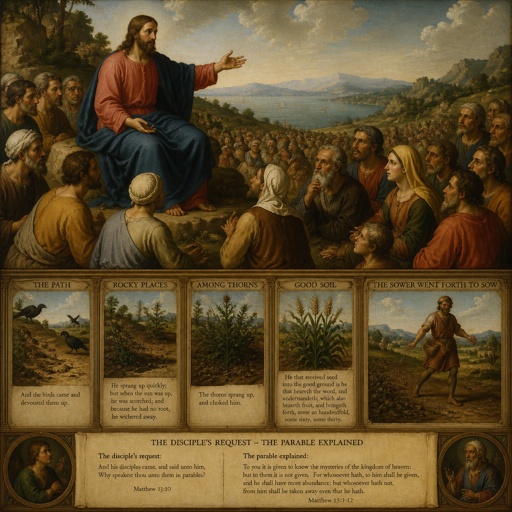
Matthew 13:1-23

Job 42:13 - "He had also seven sons and three daughters."