What does Job 30:25 mean?
“Did not I weep for him that was in trouble? was not my soul grieved for the poor?” — Job 30:25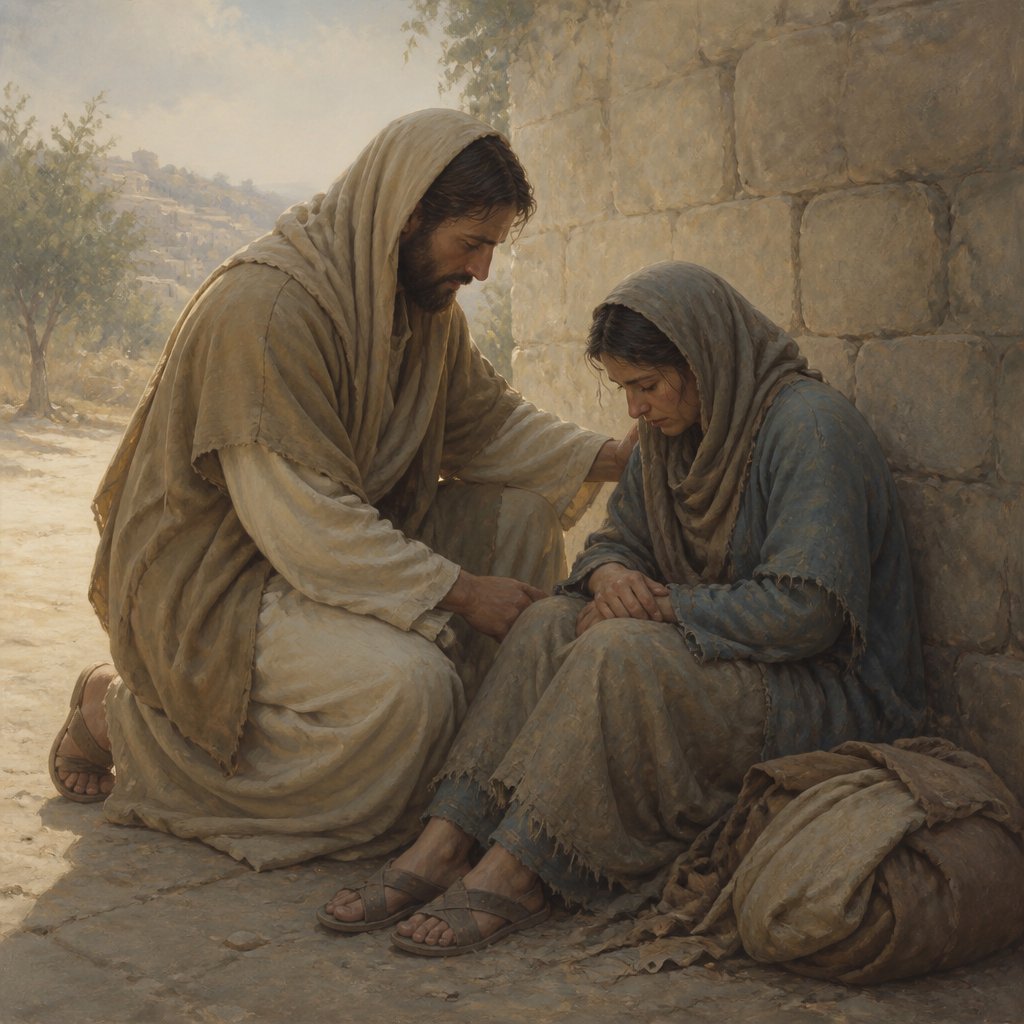
Job 30:25 (KJV) - "Did not I weep for him that was in trouble? was not my soul grieved for the poor?"
This verse is found in the Book of Job, which is a part of the Old Testament. The Book of Job is a unique and complex piece of literature that deals with the problem of suffering and the sovereignty of God. In this particular verse, we find Job expressing his own compassion and empathy for those who are suffering. It is part of a larger passage where Job is bemoaning his current state of suffering and isolation, and it reflects his deep sense of empathy for the troubles of others.
The themes in this verse are numerous and intertwine with the broader themes of the Book of Job. The first and most obvious theme is that of empathy and compassion. Job is expressing his own sense of grief and mourning for those who are going through difficult times. This reflects the human capacity for empathy and the importance of caring for others in their times of need.
Another important theme in this verse is the idea of social justice and care for the poor and marginalized. Job's concern for the poor and those in trouble speaks to the broader Biblical theme of caring for the needy and marginalized in society. This theme is seen throughout the Bible, especially in the teachings of Jesus Christ in the New Testament.
The context of this verse is crucial for understanding its full meaning. Job, a righteous and blameless man, has been stricken with unimaginable suffering and loss. He has lost his wealth, his family, and his health, and he is left to wrestle with the questions of why God would allow such things to happen to him. In this particular passage, Job is lamenting his current state and expressing his deep sense of grief. Despite his own suffering, he still has compassion for others who are in trouble.
The symbolism in this verse is powerful and multi-faceted. Job's tears and grief symbolize the depth of his empathy and compassion. His soul being grieved for the poor represents the deep emotional and spiritual connection he feels with those who are suffering. This symbolism highlights the importance of emotional and spiritual empathy in caring for others.
In a broader sense, this verse can also be seen as a foreshadowing of the compassion and empathy that Jesus Christ would demonstrate during his earthly ministry. Jesus consistently showed concern for the marginalized and the suffering, and He taught His followers to do the same. The Book of Job, and this verse in particular, can be seen as a precursor to the teachings and actions of Jesus in the New Testament.
In conclusion, Job 30:25 is a powerful and poignant verse that speaks to the depths of human empathy and compassion. It reflects the themes of suffering, empathy, social justice, and the importance of caring for others in their times of need. The context of the verse within the Book of Job and its broader symbolism make it a rich and meaningful passage that holds valuable lessons for all who read it.
Get our apps


Artwork for Job 30:25

Job 30:25 - "Did not I weep for him that was in trouble? was not my soul grieved for the poor?"
"Did not I weep for him that was in trouble? was not my soul grieved for the poor?" - Job 30:25

Job 30:30 - "My skin is black upon me, and my bones are burned with heat."

Job 30:28

Job 30:28

Job 30:28

Job 30:28

Job 30:28

Job 34:30 - "That the hypocrite reign not, lest the people be ensnared."

Job 30:6 - "To dwell in the clifts of the valleys, in caves of the earth, and in the rocks."

Job 39:13-25

Job 30:29 - "I am a brother to dragons, and a companion to owls."

Job 38:30 - "The waters are hid as with a stone, and the face of the deep is frozen."

Job 30:9 - "And now am I their song, yea, I am their byword."

Job 25:1 - "Then answered Bildad the Shuhite, and said,"

Job 30:27 - "My bowels boiled, and rested not: the days of affliction prevented me."

Job 30:4 - "Who cut up mallows by the bushes, and juniper roots for their meat."

Job 30:7 - "Among the bushes they brayed; under the nettles they were gathered together."

Proverbs 30:25 - "The ants are a people not strong, yet they prepare their meat in the summer;"

"My skin is black upon me, and my bones are burned with heat." - Job 30:30

Job 22:30 - "He shall deliver the island of the innocent: and it is delivered by the pureness of thine hands."

Job 6:30 - "Is there iniquity in my tongue? cannot my taste discern perverse things?"

Job 33:30 - "To bring back his soul from the pit, to be enlightened with the light of the living."

Job 30:13 - "They mar my path, they set forward my calamity, they have no helper."

Job 36:30 - "Behold, he spreadeth his light upon it, and covereth the bottom of the sea."

Job 21:30 - "That the wicked is reserved to the day of destruction? they shall be brought forth to the day of wrath."

Job 30:3 - "For want and famine they were solitary; fleeing into the wilderness in former time desolate and waste."

Exodus 25:30 - "And thou shalt set upon the table shewbread before me alway."

Job 30:31 - "My harp also is turned to mourning, and my organ into the voice of them that weep."

Job 30:17 - "My bones are pierced in me in the night season: and my sinews take no rest."