What does Job 31:31 mean?
“If the men of my tabernacle said not, Oh that we had of his flesh! we cannot be satisfied.” — Job 31:31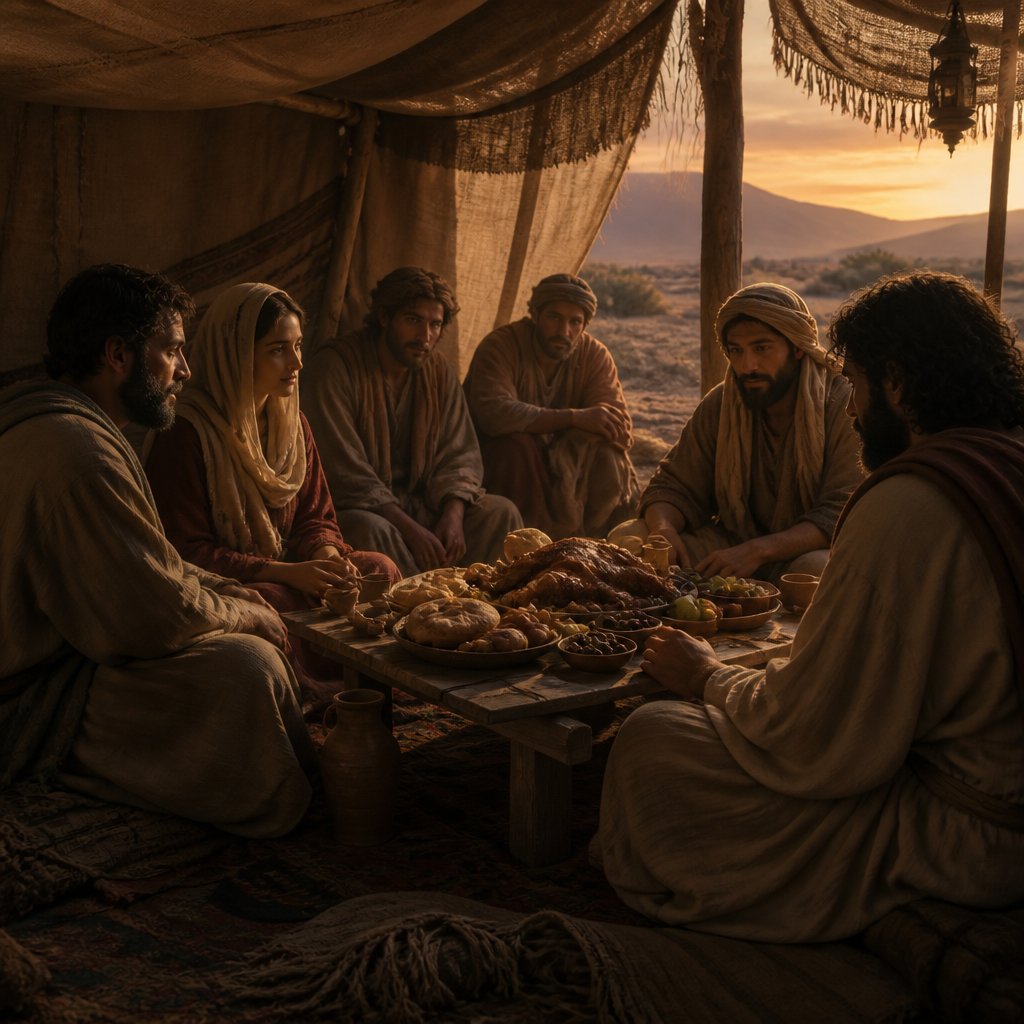
Job 31:31 (KJV) reads: "If the men of my tabernacle said not, Oh that we had of his flesh! we cannot be satisfied."
This verse is part of a larger passage in the Book of Job that explores the righteous conduct of Job, a man who faced immense suffering and loss. In this particular verse, Job is declaring his innocence and uprightness before God, stating that he has not been responsible for any wrongdoing that would justify the suffering he has endured. The verse is also a part of Job's final defense of his integrity, as he addresses his friends' accusations and suspicions about his character.
The language in this verse is somewhat complex and allegorical, requiring further analysis to understand its deeper meaning. Job is using figurative language to convey a powerful message about his innocence and moral standing. The phrase "If the men of my tabernacle said not, Oh that we had of his flesh!" refers to a hypothetical scenario in which those close to Job would covet or desire his flesh. This imagery is meant to illustrate a betrayal by those who should be loyal and supportive. Job is expressing his dismay at the thought of being betrayed by those he trusts, emphasizing the unjust suffering he has experienced.
The latter part of the verse, "we cannot be satisfied," underscores the insatiable nature of desire and the futility of pursuing selfish and sinful cravings. Job is highlighting the lack of contentment and fulfillment that comes from pursuing self-centered desires, and he is seeking to distance himself from such sinful behavior. He is asserting his commitment to God and his rejection of the pursuit of fleshly desires.
In the larger context of the Book of Job, this verse contributes to the overarching theme of suffering, faith, and righteousness. Job is portrayed as a righteous man who faces extreme adversity, yet remains faithful to God despite intense suffering and pressure to renounce his faith. His trials prompt profound philosophical and existential questions about the nature of suffering, the justice of God, and the complexities of human morality. This verse adds to the depth of Job's introspection and marks his steadfast dedication to righteousness, even in the face of overwhelming temptation and opposition.
The themes of loyalty, betrayal, and integrity also emerge from this verse. Job's lament about potential betrayal from those near to him speaks to the profound pain of being forsaken by trusted companions. His longing for loyalty and honesty underscores the importance of these virtues in maintaining personal relationships and fostering a just and harmonious society. Through this verse, Job demonstrates his commitment to these values and his anguish at the possibility of being abandoned.
Symbolism abounds in this verse as well. The mention of "flesh" represents earthly desires and the transient nature of human pursuits. The tabernacle, a metaphor for a dwelling place or community, symbolizes the sphere of divine influence and the moral fabric of society. Job's use of these symbols reflects his deep moral and spiritual concerns, as well as the broader human experience of grappling with temptation and steadfastness in the face of adversity.
Overall, Job 31:31 (KJV) is a profound and thought-provoking verse that contributes to the rich tapestry of themes and symbolism found in the Book of Job. It encapsulates Job's unwavering commitment to righteousness, his anguish at potential betrayal, and his reflection on the nature of suffering and human morality. It serves as a powerful testament to the complexity of the human experience and the timeless questions of faith, justice, and integrity.
Get our apps


Artwork for Job 31:31

Job 31:31 - "If the men of my tabernacle said not, Oh that we had of his flesh! we cannot be satisfied."
"If the men of my tabernacle said not, Oh that we had of his flesh! we cannot be satisfied." - Job 31:31

Job 31:40 - "Let thistles grow instead of wheat, and cockle instead of barley. The words of Job are ended."

Job 33:31 - "Mark well, O Job, hearken unto me: hold thy peace, and I will speak."

Job 31:11 - "For this is an heinous crime; yea, it is an iniquity to be punished by the judges."

Job 31:3 - "Is not destruction to the wicked? and a strange punishment to the workers of iniquity?"

Job 31 take an inventory of his life

Job 31:26 - "If I beheld the sun when it shined, or the moon walking in brightness;"

Job 36:31 - "For by them judgeth he the people; he giveth meat in abundance."

Job 31:32 - "The stranger did not lodge in the street: but I opened my doors to the traveller."

Job 31:4 - "Doth not he see my ways, and count all my steps?"

Job 31:38 - "If my land cry against me, or that the furrows likewise thereof complain;"

Job 15:31 - "Let not him that is deceived trust in vanity: for vanity shall be his recompence."

Job 38:31 - "Canst thou bind the sweet influences of Pleiades, or loose the bands of Orion?"

Job 31:5 - "If I have walked with vanity, or if my foot hath hasted to deceit;"

Job 31:12 - "For it is a fire that consumeth to destruction, and would root out all mine increase."

Job 31:33 - "If I covered my transgressions as Adam, by hiding mine iniquity in my bosom:"

Job 31:6 - "Let me be weighed in an even balance, that God may know mine integrity."

Job 30:31 - "My harp also is turned to mourning, and my organ into the voice of them that weep."

Job 31:17 - "Or have eaten my morsel myself alone, and the fatherless hath not eaten thereof;"

Job 31:2 - "For what portion of God is there from above? and what inheritance of the Almighty from on high?"

Job 31:36 - "Surely I would take it upon my shoulder, and bind it as a crown to me."

Job 31:28 - "This also were an iniquity to be punished by the judge: for I should have denied the God that is above."

Job 31:20 - "If his loins have not blessed me, and if he were not warmed with the fleece of my sheep;"

Job 31:19 - "If I have seen any perish for want of clothing, or any poor without covering;"

Job 31:30 - "Neither have I suffered my mouth to sin by wishing a curse to his soul."

Job 31:16 - "If I have withheld the poor from their desire, or have caused the eyes of the widow to fail;"

Job 31:13 - "If I did despise the cause of my manservant or of my maidservant, when they contended with me;"

Job 31:1 - "I made a covenant with mine eyes; why then should I think upon a maid?"

Job 31:23 - "For destruction from God was a terror to me, and by reason of his highness I could not endure."