What does Job 34:24 mean?
“He shall break in pieces mighty men without number, and set others in their stead.” — Job 34:24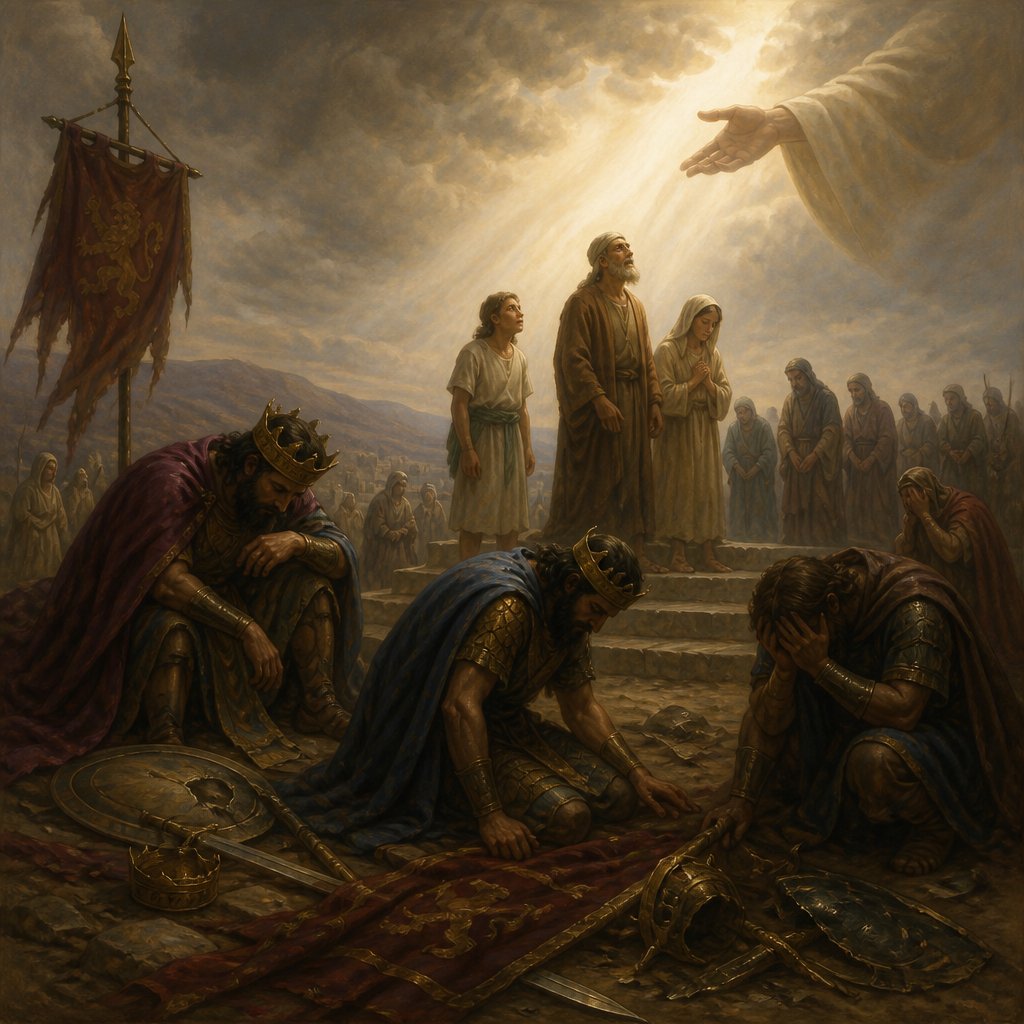
Job 34:24 (KJV) - "He shall break in pieces mighty men without number, and set others in their stead."
The book of Job is a complex and profound exploration of suffering, faith, and divine justice. It tells the story of a righteous man named Job who faces tremendous trials and challenges, including the loss of his wealth, his children, and his health. Throughout the book, Job grapples with the question of why a just and loving God would allow such suffering to befall him. The verse in question, Job 34:24, is part of a larger speech delivered by Elihu, one of Job's friends, in which he attempts to explain the justice and righteousness of God. Let's delve into the meaning and commentary of this verse in the larger context of the book of Job.
The verse begins with the declaration that "He shall break in pieces mighty men without number." This imagery of breaking mighty men in pieces points to the power and sovereignty of God. It emphasizes the idea that no human being, no matter how mighty or powerful, is beyond the reach of God's authority. This is a recurring theme throughout the book of Job, as Job himself struggles with the realization that even the most righteous and blameless individuals are subject to the will of a higher power.
The phrase "without number" further emphasizes the limitless nature of God's power. It conveys the idea that there is no limit to the extent of God's authority, and that no one can escape His judgment. This underscores the overarching theme of divine justice and the inherent power imbalance between humanity and God.
The verse continues with the assertion that God "set others in their stead." This statement suggests that God has the ability to remove mighty men from their positions of power and authority and replace them with others. This reflects the biblical concept of divine providence and the idea that God is ultimately in control of human affairs. It also echoes the recurring motif in the book of Job of the reversal of fortunes, where the proud and mighty are humbled, and the meek and humble are exalted.
In the larger context of the book of Job, this verse serves to underscore the central theme of the sovereignty of God. It speaks to the idea that God is ultimately in control of human destiny and that no one can defy or escape His will. This theme is deeply intertwined with the overarching question of suffering and divine justice that pervades the narrative of Job. The verse serves to remind the reader that, despite the seeming unfairness and randomness of human suffering, there is a higher purpose and order to the world that is ultimately governed by the will of God.
In addition to its thematic significance, the verse is also rich with symbolism and imagery. The imagery of "breaking in pieces" mighty men conveys a sense of violent and absolute power. It evokes the image of God as a force to be reckoned with, capable of shattering the most formidable of human beings. The image of setting "others in their stead" suggests the idea of divine intervention and the reshuffling of human affairs according to God's will.
In conclusion, Job 34:24 is a powerful and evocative verse that encapsulates the themes of divine sovereignty, human suffering, and divine justice that permeate the book of Job. It speaks to the absolute power of God, the insignificance of human beings in the face of divine authority, and the idea of divine providence shaping the course of human events. It serves as a poignant reminder of the overarching message of the book of Job, which is that despite the inscrutable nature of suffering, there is a higher purpose and order to the world that is ultimately governed by the will of God.
Get our apps


Artwork for Job 34:24

Job 34:24 - "He shall break in pieces mighty men without number, and set others in their stead."
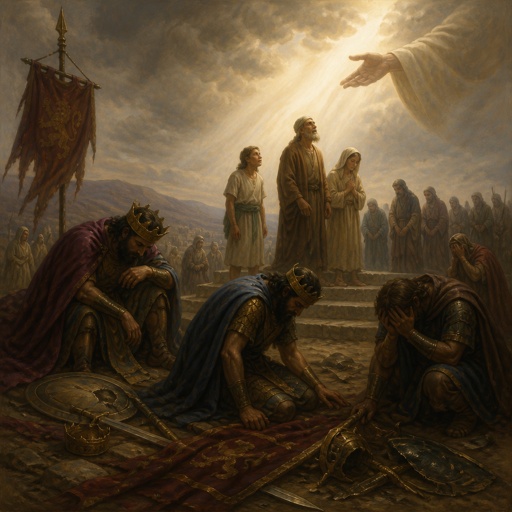
"He shall break in pieces mighty men without number, and set others in their stead." - Job 34:24

Job 34:34 - "Let men of understanding tell me, and let a wise man hearken unto me."

Job 34:35 - "Job hath spoken without knowledge, and his words were without wisdom."

Job 34:7 - "What man is like Job, who drinketh up scorning like water?"

Job 34:36 - "My desire is that Job may be tried unto the end because of his answers for wicked men."

Genesis 24-34

Job 34:5 - "For Job hath said, I am righteous: and God hath taken away my judgment."

Job 34:1 - "Furthermore Elihu answered and said,"

Job 34:3 - "For the ear trieth words, as the mouth tasteth meat."

Job 34:30 - "That the hypocrite reign not, lest the people be ensnared."

Job 15:34 - "For the congregation of hypocrites shall be desolate, and fire shall consume the tabernacles of bribery."

Job 34:16 - "If now thou hast understanding, hear this: hearken to the voice of my words."

Job 34:26 - "He striketh them as wicked men in the open sight of others;"

Genesis 24:34 - "And he said, I am Abraham's servant."

Numbers 34:24 - "And the prince of the tribe of the children of Ephraim, Kemuel the son of Shiphtan."

Luke 24:34 - "Saying, The Lord is risen indeed, and hath appeared to Simon."

Job 34:21 - "For his eyes are upon the ways of man, and he seeth all his goings."

Job 21:34 - "How then comfort ye me in vain, seeing in your answers there remaineth falsehood?"

Job 34:22 - "There is no darkness, nor shadow of death, where the workers of iniquity may hide themselves."

Job 34:25 - "Therefore he knoweth their works, and he overturneth them in the night, so that they are destroyed."

Job 34:12 - "Yea, surely God will not do wickedly, neither will the Almighty pervert judgment."

Job 34:18 - "Is it fit to say to a king, Thou art wicked? and to princes, Ye are ungodly?"

Job 41:34 - "He beholdeth all high things: he is a king over all the children of pride."

Job 34:15 - "All flesh shall perish together, and man shall turn again unto dust."

"Furthermore Elihu answered and said," - Job 34:1

"Job hath spoken without knowledge, and his words were without wisdom." - Job 34:35

Job 34:27 - "Because they turned back from him, and would not consider any of his ways:"

Job 34:13 - "Who hath given him a charge over the earth? or who hath disposed the whole world?"

Job 34:9 - "For he hath said, It profiteth a man nothing that he should delight himself with God."