What does Job 34:26 mean?
“He striketh them as wicked men in the open sight of others;” — Job 34:26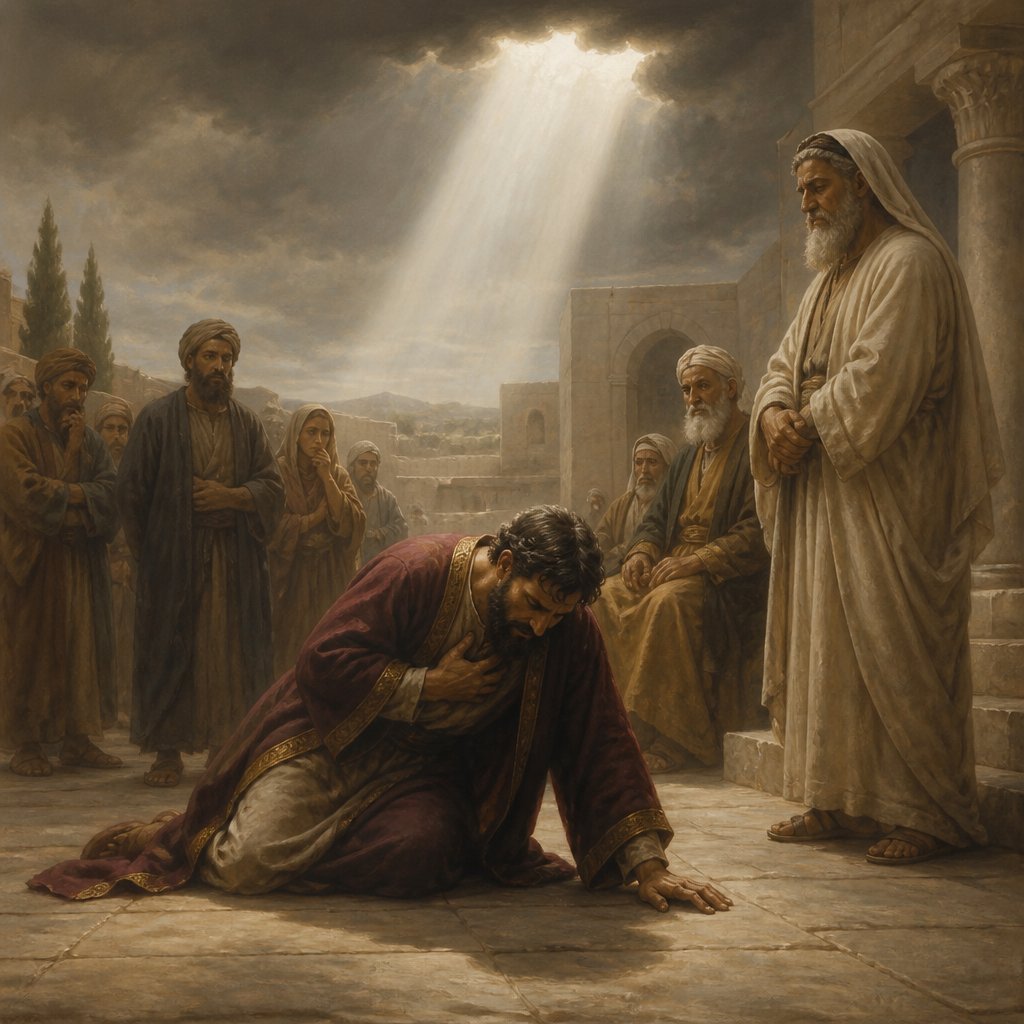
Job 34:26 (KJV) states, "He striketh them as wicked men in the open sight of others." This verse is part of the speech given by Elihu, one of Job's friends, in the book of Job. Throughout the book, Job is in the midst of immense suffering and is trying to make sense of his circumstances. His friends come to offer him advice and comfort, but their words often take on a tone of accusation and judgment. Elihu's speech is particularly significant because it comes before God Himself speaks to Job, highlighting the importance of his words.
The context of this verse is important in understanding its true meaning and significance. Job has been expressing his frustration with his situation, questioning why he is suffering despite his righteousness. In response, Elihu attempts to remind Job of God's righteousness and justice, ultimately seeking to correct Job's perspective and understanding of his suffering.
In Job 34:26, Elihu is describing how God deals with the wicked. He presents the image of God striking them in full view of others. This suggests that God's judgment is both fair and visible to all. It emphasizes the idea that God's justice is not hidden or arbitrary. This would have been a critical point for Job to consider, as he was wrestling with the apparent unfairness of his suffering.
The theme of God's justice and righteousness is central to this verse. Elihu is seeking to remind Job that God's actions are always just and fair. This may seem contradictory to Job's personal experience, but Elihu is trying to reorient Job's thinking about God's character and nature. This theme is present throughout the book of Job and is a fundamental aspect of the larger theological discussion that unfolds in the text.
There is also a theme of visibility and transparency in this verse. Elihu emphasizes that God's actions are not concealed or hidden; they are carried out openly for all to see. This is meant to reassure Job that everything is happening according to God's plan and that his suffering is not in vain.
Furthermore, the symbolism in this verse reinforces the themes of justice and visibility. The image of God striking the wicked in open sight is a powerful metaphor for divine judgment. It underscores the idea that God's justice is certain and unavoidable. It also serves as a warning to those who may be inclined to act wickedly, as their deeds will not go unnoticed or unpunished.
In the broader context of the book of Job, this verse contributes to the ongoing dialogue about suffering and righteousness. It serves as a reminder that God's ways are beyond human understanding and that His justice will ultimately prevail. The book of Job grapples with the age-old question of why the righteous suffer, and this verse is part of the larger theological exploration of that issue.
In conclusion, Job 34:26 (KJV) is a significant verse within the book of Job, addressing the themes of God's justice and righteousness. It serves as a reminder that God's actions are always fair and transparent, even when they may not align with our own understanding. This verse offers comfort and reassurance to those who are struggling with the apparent injustices of life, pointing to the ultimate sovereignty of God and His unwavering commitment to justice.
Get our apps


Artwork for Job 34:26

Job 34:26 - "He striketh them as wicked men in the open sight of others;"
"He striketh them as wicked men in the open sight of others;" - Job 34:26

Job 34:34 - "Let men of understanding tell me, and let a wise man hearken unto me."

Job 34:35 - "Job hath spoken without knowledge, and his words were without wisdom."

Job 26:1 - "But Job answered and said,"

Job 34:7 - "What man is like Job, who drinketh up scorning like water?"

Job 34:36 - "My desire is that Job may be tried unto the end because of his answers for wicked men."

Job 34:5 - "For Job hath said, I am righteous: and God hath taken away my judgment."

Job 34:1 - "Furthermore Elihu answered and said,"

Job 34:3 - "For the ear trieth words, as the mouth tasteth meat."

Job 34:30 - "That the hypocrite reign not, lest the people be ensnared."

"But Job answered and said," - Job 26:1

Numbers 34:26 - "And the prince of the tribe of the children of Issachar, Paltiel the son of Azzan."

Job 15:34 - "For the congregation of hypocrites shall be desolate, and fire shall consume the tabernacles of bribery."

Job 34:16 - "If now thou hast understanding, hear this: hearken to the voice of my words."

Job 21:34 - "How then comfort ye me in vain, seeing in your answers there remaineth falsehood?"

Job 34:21 - "For his eyes are upon the ways of man, and he seeth all his goings."

Job 34:22 - "There is no darkness, nor shadow of death, where the workers of iniquity may hide themselves."

Job 34:25 - "Therefore he knoweth their works, and he overturneth them in the night, so that they are destroyed."

Job 34:12 - "Yea, surely God will not do wickedly, neither will the Almighty pervert judgment."

Job 34:18 - "Is it fit to say to a king, Thou art wicked? and to princes, Ye are ungodly?"

Job 41:34 - "He beholdeth all high things: he is a king over all the children of pride."

Job 34:15 - "All flesh shall perish together, and man shall turn again unto dust."

Job 34:24 - "He shall break in pieces mighty men without number, and set others in their stead."

"Furthermore Elihu answered and said," - Job 34:1

"Job hath spoken without knowledge, and his words were without wisdom." - Job 34:35

Job 34:27 - "Because they turned back from him, and would not consider any of his ways:"

Job 34:13 - "Who hath given him a charge over the earth? or who hath disposed the whole world?"

Exodus 26:34 - "And thou shalt put the mercy seat upon the ark of the testimony in the most holy place."

Job 34:9 - "For he hath said, It profiteth a man nothing that he should delight himself with God."