What does Job 3:21 mean?
“Which long for death, but it cometh not; and dig for it more than for hid treasures;” — Job 3:21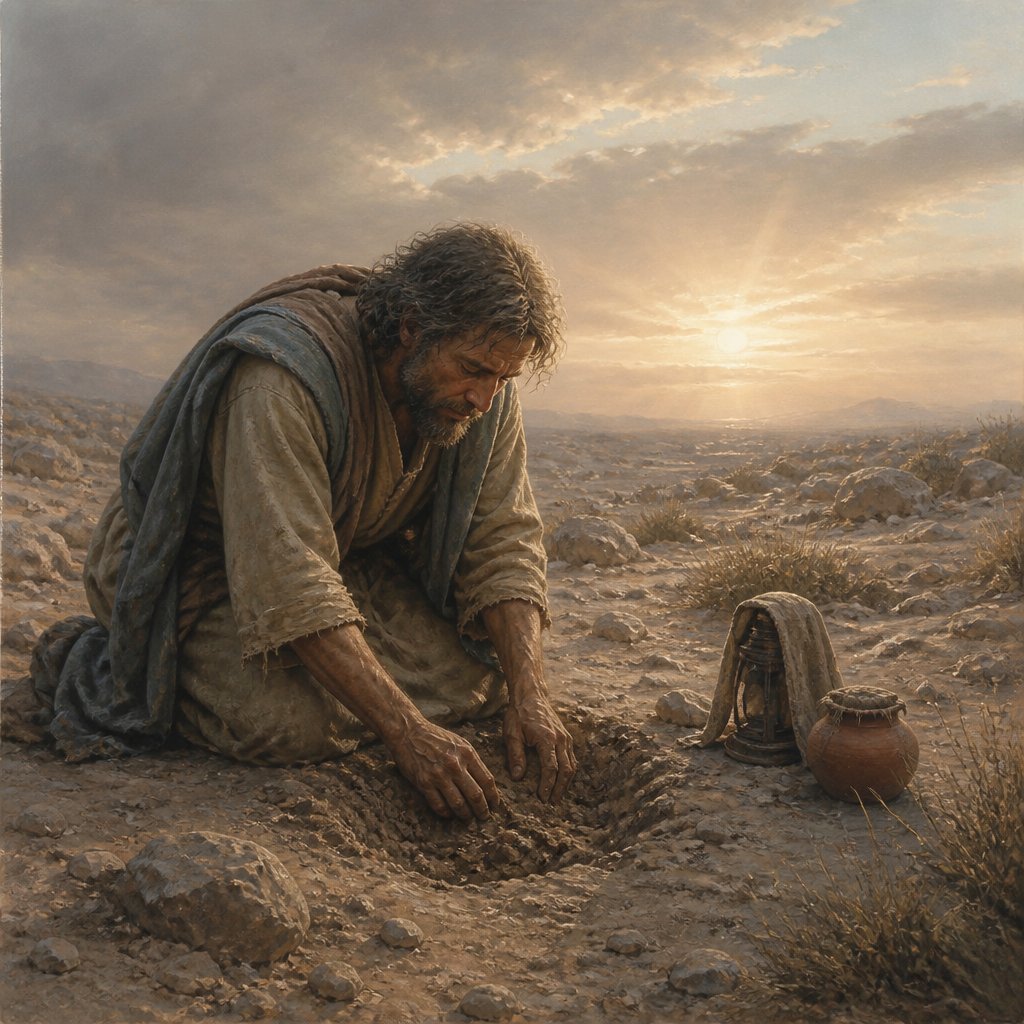
Job 3:21 in the King James Version of the Bible reads, "Which long for death, but it cometh not; and dig for it more than for hid treasures."
This verse comes from the book of Job, which is a part of the Old Testament. Job is a righteous man who faces immense suffering and loss, and struggles to understand why God would allow such pain to befall him. The book of Job is a profound exploration of the problem of suffering and the nature of God's sovereignty. The verse in question comes from Job's lament after he has cursed the day of his birth and expressed his deep despair and longing for death.
The context of this verse is essential for understanding its meaning. Job is feeling completely overwhelmed by his circumstances and is expressing his desire to escape from the unbearable pain he is experiencing. Job has lost all of his wealth, his children, and his health, and his friends have come to offer him their condolences and words of comfort. However, Job is in such a deep state of despair that he no longer finds comfort in anything, and he longs for death to release him from his suffering.
The verse employs vivid imagery to convey the intensity of Job's longing for death. The image of "digging for it more than for hidden treasures" paints a picture of someone frantically seeking something of utmost value, which in this case is death. This desperation is a poignant reflection of the depth of Job's suffering and his profound desire for relief.
The themes present in this verse are numerous and profound. First and foremost is the theme of suffering. Job's anguish is palpable, and his longing for death speaks to the depths of his pain. This verse highlights the human experience of suffering and the desperate desire for relief from that suffering. It also raises important questions about the nature of suffering and the reasons behind it, as well as the complex relationship between life and death.
Another theme is the search for meaning and purpose in the face of suffering. Job's words reveal his struggle to find a reason for his pain and to make sense of the trials he is enduring. This theme speaks to the universal human experience of grappling with the enigma of suffering and seeking to find some greater purpose or understanding within it.
The verse also touches on the theme of the value of life and the fear of death. Job's intense longing for death signifies a profound despair, but it also reflects a fear of continuing to endure his suffering. In this way, the verse raises questions about the significance and worth of life, as well as the complex emotions and fears that surround the concept of death.
Symbolism plays a significant role in this verse, particularly in the imagery of digging for hidden treasures. This image could represent the arduous and relentless pursuit of that which is desired, as well as the perceived value of death as an escape from suffering. The symbolism of hidden treasures may also allude to the elusive nature of solace or relief in the face of intense pain and despair. The digging for treasures could also be seen as a metaphor for the human search for meaning and purpose in the midst of affliction.
In conclusion, Job 3:21 is a poignant and evocative verse that powerfully captures the depth of Job's suffering and his desperate longing for respite. It raises profound questions about the nature of suffering, the search for meaning in the face of adversity, and the complex emotions surrounding life and death. The verse's rich imagery and themes make it a thought-provoking and emotionally resonant passage that continues to invite contemplation and reflection.
Get our apps


Artwork for Job 3:21

Job 3:21 - "Which long for death, but it cometh not; and dig for it more than for hid treasures;"
"Which long for death, but it cometh not; and dig for it more than for hid treasures;" - Job 3:21

Job 3:20-21 - "Job 3:20-21: Why is light given to those in misery, and life to the bitter of soul, to those who long for death that does not come, who search for it more than for hidden treasure?"

Job 21:3 - "Suffer me that I may speak; and after that I have spoken, mock on."

"Job 3:20-21: Why is light given to those in misery, and life to the bitter of soul, to those who long for death that does not come, who search for it more than for hidden treasure?" - Job 3:20-21

Job 21:1 - "But Job answered and said,"
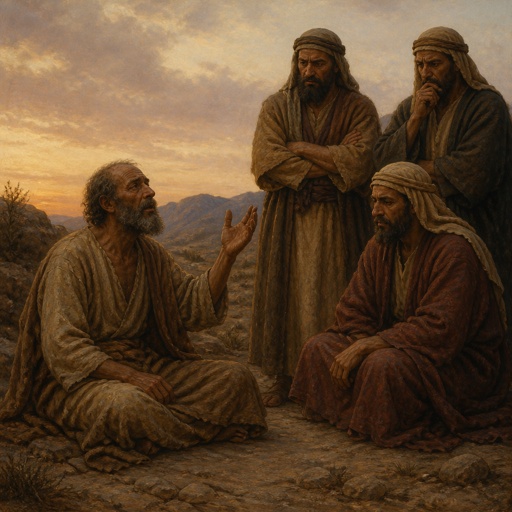
"Suffer me that I may speak; and after that I have spoken, mock on." - Job 21:3

"But Job answered and said," - Job 21:1

Job 1:21

Job 1:21

Job 3:2 - "And Job spake, and said,"

Job 40:3 - "¶ Then Job answered the LORD, and said,"

Job 21:21 - "For what pleasure hath he in his house after him, when the number of his months is cut off in the midst?"

Job 3:1 - "After this opened Job his mouth, and cursed his day."

"And Job spake, and said," - Job 3:2

Job 21:12 - "They take the timbrel and harp, and rejoice at the sound of the organ."

Job 21:8 - "Their seed is established in their sight with them, and their offspring before their eyes."

Job 21:2 - "Hear diligently my speech, and let this be your consolations."

"¶ Then Job answered the LORD, and said," - Job 40:3

Job 21:13 - "They spend their days in wealth, and in a moment go down to the grave."

Job 21:18 - "They are as stubble before the wind, and as chaff that the storm carrieth away."

Job 18:21 - "Surely such are the dwellings of the wicked, and this is the place of him that knoweth not God."

Job 21:24 - "His breasts are full of milk, and his bones are moistened with marrow."

Job 12:21 - "He poureth contempt upon princes, and weakeneth the strength of the mighty."

Job 1:3

Job 28:3

Job 1:3

Job 21:10 - "Their bull gendereth, and faileth not; their cow calveth, and casteth not her calf."

Job 21:11 - "They send forth their little ones like a flock, and their children dance."

Job 21:16 - "Lo, their good is not in their hand: the counsel of the wicked is far from me."