What does Job 3:6 mean?
"As for that night, let darkness seize upon it; let it not be joined unto the days of the year, let it not come into the number of the months." - Job 3:6
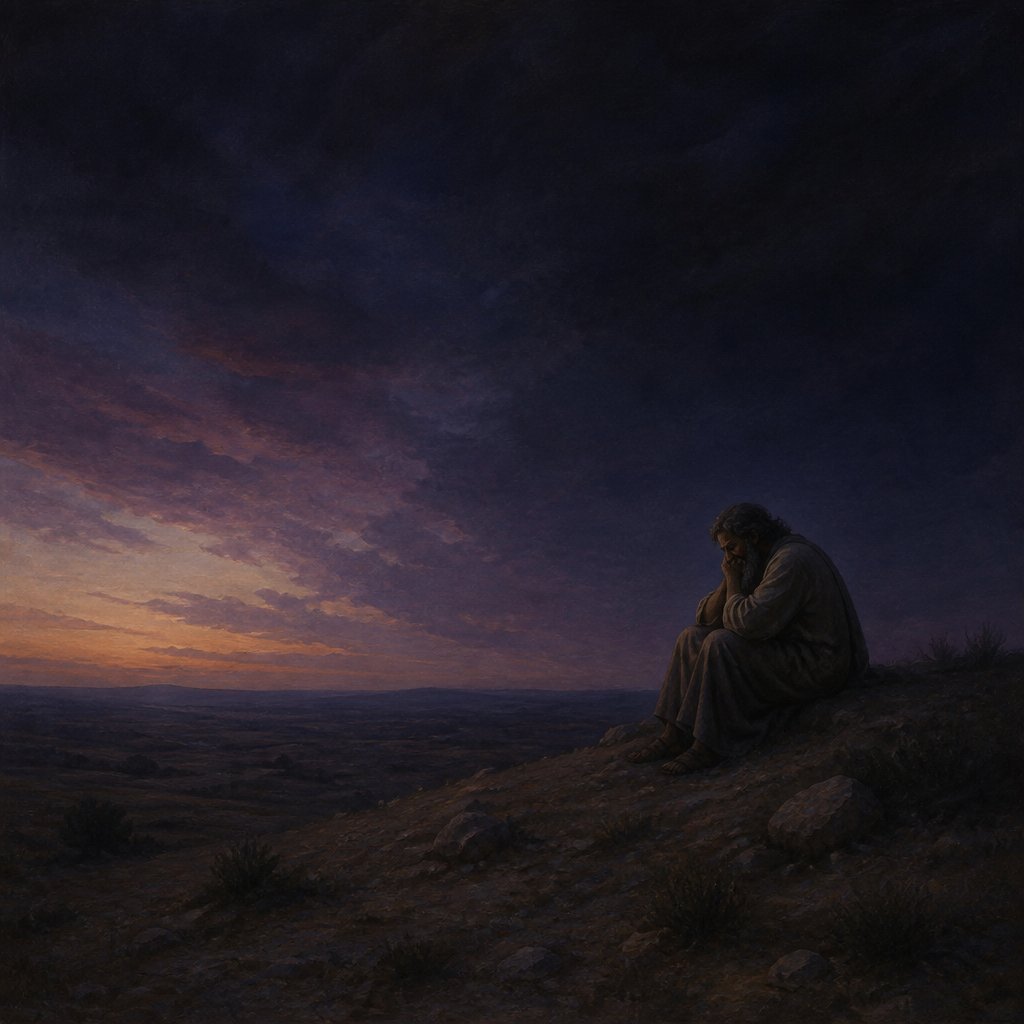
Job 3:6 in the King James Version reads, "As for that night, let darkness seize upon it; let it not be joined unto the days of the year, let it not come into the number of the months." This verse is part of a larger passage in the book of Job, which is known for its exploration of the problem of suffering and the nature of God. In this particular verse, Job is lamenting and expressing his deep despair and anguish following the loss of his possessions, his children, and his health.
The book of Job is a complex and profound work that raises important questions about human suffering and the spiritual dimensions of life. The story revolves around the character of Job, a man who is described as righteous and blameless, yet who undergoes immense suffering at the hands of Satan, who challenges God by claiming that Job's faithfulness is only due to his prosperous circumstances.
The verse in question comes from the section where Job is reflecting on the bitter reality of his existence and expressing his deep sorrow. The language used is poetic and evocative, conveying a sense of profound despair and hopelessness. Job is essentially wishing that the night of his birth, which represents the beginning of his suffering, would be erased from existence. He longs for this night to be detached from the cycle of time and forgotten, so that its darkness and pain would no longer be a part of the world.
The themes present in this verse are numerous and weighty. One of the key themes is the nature of suffering and despair. Job's lamentations are a powerful depiction of the depths of human suffering and the anguish of the soul. This verse captures the intense desire to escape from pain and darkness, to erase the source of anguish and start anew. It resonates with anyone who has experienced deep suffering and longed for relief from their pain.
Another important theme in this verse is the passage of time and the cyclical nature of life. Job's wish for the night of his birth to be forgotten and separated from the calendar speaks to a deep yearning to break free from the relentless march of time and the inevitability of suffering. It reflects a desire for a rupture in the natural order of things, a disruption of the cycle of life and death. This speaks to fundamental human longings for transcendence and liberation from the constraints of mortal existence.
Symbolism also plays a significant role in this verse. Darkness is often used symbolically in the Bible to represent evil, suffering, and spiritual desolation. In this passage, darkness is a potent symbol of Job's inner turmoil and the overwhelming sense of hopelessness that engulfs him. The idea of darkness seizing upon the night and preventing it from being joined to the days of the year conveys a sense of cosmic upheaval and the disruption of the natural order. It symbolizes the chaotic and disordered state of Job's inner world.
In addition to these themes and symbols, the verse can also be understood in its broader context within the book of Job. This verse is part of Job's prolonged and anguished lament, which occupies a significant portion of the book. Job's suffering and his search for meaning in the midst of his afflictions are central to the narrative. The verse captures the raw emotion and existential crisis that Job experiences, setting the stage for the profound theological and philosophical reflections that follow.
In conclusion, Job 3:6 is a poignant and powerful expression of human suffering, despair, and the longing for transcendence. It embodies themes of pain, the passage of time, and the disruption of the natural order, speaking to the universal human experiences of anguish and the search for meaning in the face of suffering. It is a testament to the profound and timeless insights contained in the book of Job, and it continues to resonate with readers as a testament to the human condition.
Have questions about Job 3:6?
Dive deeper into this scripture with Bible Chat — an AI-powered tool for exploring God's Word through conversation. Ask questions, get context, and grow in your understanding of the Bible.
Get Our Apps


Job 3:6 Artwork

Job 3:6 - "As for that night, let darkness seize upon it; let it not be joined unto the days of the year, let it not come into the number of the months."
"As for that night, let darkness seize upon it; let it not be joined unto the days of the year, let it not come into the number of the months." - Job 3:6

Job 6:3 - "For now it would be heavier than the sand of the sea: therefore my words are swallowed up."

Job 6:1 - "But Job answered and said,"

Job 3:2 - "And Job spake, and said,"

Job 40:3 - "¶ Then Job answered the LORD, and said,"

Job 40:6 - "¶ Then answered the LORD unto Job out of the whirlwind, and said,"
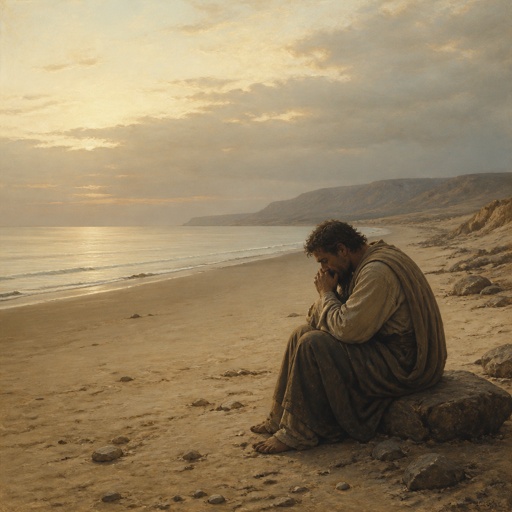
"For now it would be heavier than the sand of the sea: therefore my words are swallowed up." - Job 6:3

"But Job answered and said," - Job 6:1

Job 3:1 - "After this opened Job his mouth, and cursed his day."

"And Job spake, and said," - Job 3:2

Job 27:6

"¶ Then Job answered the LORD, and said," - Job 40:3

Job 6:6 - "Can that which is unsavoury be eaten without salt? or is there any taste in the white of an egg?"

Job 1:3

Job 28:3

Job 1:3

Job 28:3

Job 28:3

Job 1:3

Job 3:20-21 - "Job 3:20-21: Why is light given to those in misery, and life to the bitter of soul, to those who long for death that does not come, who search for it more than for hidden treasure?"

"¶ Then answered the LORD unto Job out of the whirlwind, and said," - Job 40:6

Job 1:3 no words

Job 30:6 - "To dwell in the clifts of the valleys, in caves of the earth, and in the rocks."

Job 32:3 - "Also against his three friends was his wrath kindled, because they had found no answer, and yet had condemned Job."

Job 28:6 - "The stones of it are the place of sapphires: and it hath dust of gold."

Job 3:3 - "Let the day perish wherein I was born, and the night in which it was said, There is a man child conceived."

Job 6:16 - "Which are blackish by reason of the ice, and wherein the snow is hid:"

Job 36:6 - "He preserveth not the life of the wicked: but giveth right to the poor."

Job 42:6 - "Wherefore I abhor myself, and repent in dust and ashes."