What does Job 40:17 mean?
“He moveth his tail like a cedar: the sinews of his stones are wrapped together.” — Job 40:17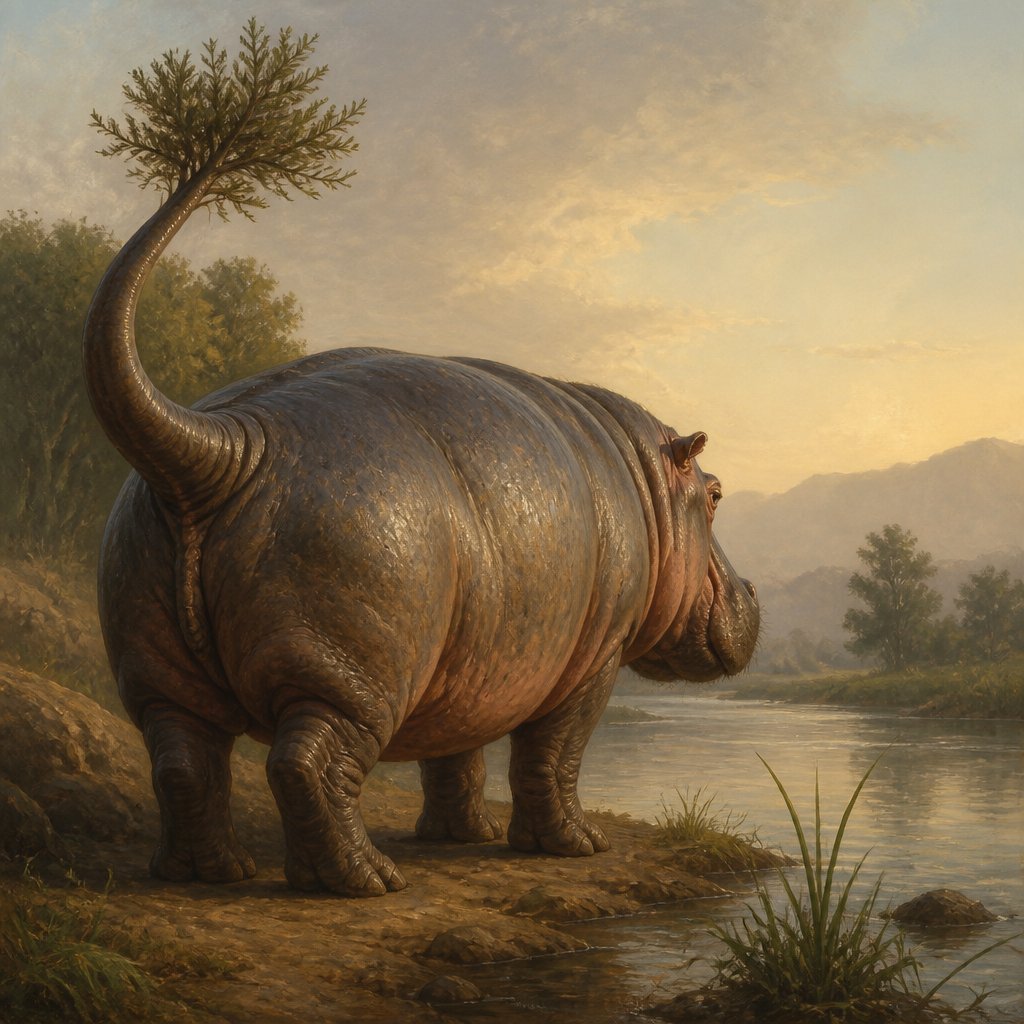
Job 40:17 (KJV) "He moveth his tail like a cedar: the sinews of his stones are wrapped together."
This verse comes from the Book of Job, which is a profound and complex exploration of the themes of suffering, faith, and the nature of God. The verse is part of a longer passage in which God speaks to Job out of the whirlwind, challenging him to consider the vastness and complexity of the natural world and the limitations of human understanding.
In this particular verse, God describes a powerful and majestic creature, using vivid imagery to convey its strength and grandeur. The creature is said to "move his tail like a cedar," suggesting that it is massive and imposing. The image of the cedar tree is significant in biblical literature, often symbolizing strength, endurance, and steadfastness. By comparing the creature's tail to a cedar tree, the verse emphasizes the creature's power and dominance.
The second part of the verse describes the sinews of the creature's stones being wrapped together. This imagery is a bit enigmatic, as it is not entirely clear what the reference to "stones" means. Some interpretations suggest that "stones" here refers to the creature's testicles, while others propose that it may refer to its pelvic bones or some other part of its anatomy. Regardless of the specific interpretation, the imagery is intended to underscore the creature's physical prowess and vitality.
The overall theme of this verse, and indeed the entire passage in which it is found, is the incomprehensible power and wisdom of God as revealed in the natural world. The creature described in the verse is a powerful and awe-inspiring manifestation of the Creator's handiwork, and its portrayal serves to humble Job and remind him of the limits of his own understanding.
Furthermore, the verse also serves as a reminder of God's sovereignty and control over all aspects of creation. The creature described here is a symbol of the untamed and unconquerable forces of nature, and yet God is portrayed as its master and sustainer. This theme resonates throughout the Book of Job, as Job grapples with the apparent injustice of his suffering and ultimately comes to recognize God's supreme authority and wisdom.
Symbolism plays a significant role in this verse as well. The creature described can be seen as a symbol of the natural world and its power. The comparison of its tail to a cedar tree and the reference to its sinews emphasize its strength and vitality, while also pointing to the immensity and complexity of the natural world. Additionally, the creature's untamed nature and its portrayal as a formidable force serve as a reminder of the awesome and unfathomable power of God.
In conclusion, Job 40:17 is a rich and evocative verse that encapsulates some of the central themes of the Book of Job. It speaks to the incomprehensible power and wisdom of God as revealed in the natural world, while also emphasizing His sovereignty and control over all aspects of creation. The vivid imagery and symbolism of the verse serve to underscore these themes, leaving a lasting impression of the majesty and complexity of the natural world and the Creator behind it.
Get our apps


Artwork for Job 40:17

Job 40:17 - "He moveth his tail like a cedar: the sinews of his stones are wrapped together."
"He moveth his tail like a cedar: the sinews of his stones are wrapped together." - Job 40:17

Job 40

Job 40:3 - "¶ Then Job answered the LORD, and said,"

Job 40:1 - "Moreover the LORD answered Job, and said,"

Job 40:6 - "¶ Then answered the LORD unto Job out of the whirlwind, and said,"

"¶ Then Job answered the LORD, and said," - Job 40:3

Job 31:40 - "Let thistles grow instead of wheat, and cockle instead of barley. The words of Job are ended."

"Moreover the LORD answered Job, and said," - Job 40:1

Job 40:13 - "Hide them in the dust together; and bind their faces in secret."

Job 38:40 - "When they couch in their dens, and abide in the covert to lie in wait?"

"¶ Then answered the LORD unto Job out of the whirlwind, and said," - Job 40:6

Job 40:21 - "He lieth under the shady trees, in the covert of the reed, and fens."

Job 40:10 - "Deck thyself now with majesty and excellency; and array thyself with glory and beauty."

Job 40:24 - "He taketh it with his eyes: his nose pierceth through snares."

Job 40:22 - "The shady trees cover him with their shadow; the willows of the brook compass him about."

Job 40:18 - "His bones are as strong pieces of brass; his bones are like bars of iron."

1 Samuel 17:38-40

Job 40:15 - "¶ Behold now behemoth, which I made with thee; he eateth grass as an ox."

Job 40:12 - "Look on every one that is proud, and bring him low; and tread down the wicked in their place."

Job 40:9 - "Hast thou an arm like God? or canst thou thunder with a voice like him?"

Job 40:5 - "Once have I spoken; but I will not answer: yea, twice; but I will proceed no further."

Job 40:11 - "Cast abroad the rage of thy wrath: and behold every one that is proud, and abase him."

Job 40:16 - "Lo now, his strength is in his loins, and his force is in the navel of his belly."

Job 40:20 - "Surely the mountains bring him forth food, where all the beasts of the field play."

Job 40:2 - "Shall he that contendeth with the Almighty instruct him? he that reproveth God, let him answer it."

Job 40:14 - "Then will I also confess unto thee that thine own right hand can save thee."

2 Kings 17:40 - "Howbeit they did not hearken, but they did after their former manner."

Job 42:17 - "So Job died, being old and full of days."

Job 40:8 - "Wilt thou also disannul my judgment? wilt thou condemn me, that thou mayest be righteous?"