What does Job 5:18 mean?
"For he maketh sore, and bindeth up: he woundeth, and his hands make whole." - Job 5:18

Job 5:18 in the King James Version of the Bible says, "For he maketh sore, and bindeth up: he woundeth, and his hands make whole." This verse comes from the book of Job, which is found in the Old Testament. The book of Job tells the story of a man who faces incredible suffering and asks difficult questions about the nature of God and the problem of evil. This particular verse comes from a speech given by one of Job's friends, Eliphaz the Temanite, as he tries to counsel and comfort Job in his time of need.
The verse begins with the statement, "For he maketh sore, and bindeth up." This can be seen as a reflection of the belief that God is both the cause of suffering and the one who ultimately heals and restores. It acknowledges the reality of pain and suffering in the world while also affirming God's sovereignty and ability to bring about healing and restoration. This duality of suffering and restoration is a common theme throughout the Bible, as it reflects the human experience of both joy and sorrow.
The next part of the verse says, "he woundeth, and his hands make whole." This imagery of God's hands inflicting wounds and then healing them speaks to the idea of God being in control of both the trials and triumphs in our lives. It reminds us that even in the midst of suffering, God is still present and working to bring about healing and wholeness.
One of the central themes of the book of Job is the problem of suffering and the question of why bad things happen to good people. In this verse, Eliphaz seems to be trying to offer an explanation for Job's suffering by pointing to the idea that God is ultimately in control and that there is a larger purpose behind the trials and afflictions that Job is experiencing. This is a common theme throughout the Bible, as it grapples with the difficult questions surrounding the existence of suffering and the nature of God.
In the broader context of the book of Job, this verse is part of a larger conversation about the nature of suffering and the ways in which we understand and relate to God in the midst of our pain. Eliphaz's speech to Job reflects the common belief in ancient Israel that suffering was a result of sin and that God would ultimately bring about restoration and healing for the righteous. However, it also raises important questions about the relationship between human suffering and the divine will, and the ways in which we grapple with the apparent injustice of the world.
Symbolically, the imagery of God causing wounds and then healing them can be seen as a reflection of the cyclical nature of human experience. We all face moments of pain and suffering, but we also experience times of healing and restoration. This verse serves as a reminder that God is present in both the moments of suffering and the moments of healing, and that ultimately, God has the power to bring about wholeness and redemption in our lives.
In conclusion, Job 5:18 offers a reflection on the complex and often difficult relationship between suffering and restoration. It acknowledges the reality of pain and affliction in the world while also affirming God's ultimate power to heal and bring about wholeness. This verse is part of a larger conversation in the book of Job about the nature of suffering and the ways in which we understand and relate to God in the midst of our trials. It ultimately points to the enduring hope that even in the midst of suffering, God is present and working to bring about healing and restoration in our lives.
Have questions about Job 5:18?
Dive deeper into this scripture with Bible Chat — an AI-powered tool for exploring God's Word through conversation. Ask questions, get context, and grow in your understanding of the Bible.
Get Our Apps


Job 5:18 Artwork

Job 5:18 - "For he maketh sore, and bindeth up: he woundeth, and his hands make whole."

"For he maketh sore, and bindeth up: he woundeth, and his hands make whole." - Job 5:18

Job 18:5 - "Yea, the light of the wicked shall be put out, and the spark of his fire shall not shine."
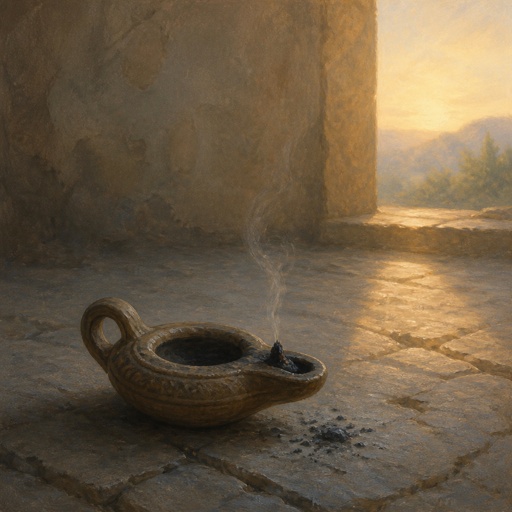
"Yea, the light of the wicked shall be put out, and the spark of his fire shall not shine." - Job 18:5

Job 18:18 - "He shall be driven from light into darkness, and chased out of the world."

Job 18-19

Job 18:1 - "Then answered Bildad the Shuhite, and said,"

job 42:5

Job 3:18 - "There the prisoners rest together; they hear not the voice of the oppressor."

Job 34:5 - "For Job hath said, I am righteous: and God hath taken away my judgment."

Job 18:10 - "The snare is laid for him in the ground, and a trap for him in the way."

Job 1:5 no words

Job 1:5 no words

Job 6:18 - "The paths of their way are turned aside; they go to nothing, and perish."

Job 21:18 - "They are as stubble before the wind, and as chaff that the storm carrieth away."

Job 12:18 - "He looseth the bond of kings, and girdeth their loins with a girdle."

Job 18:21 - "Surely such are the dwellings of the wicked, and this is the place of him that knoweth not God."

Job 18:3 - "Wherefore are we counted as beasts, and reputed vile in your sight?"

Job 20:5 - "That the triumphing of the wicked is short, and the joy of the hypocrite but for a moment?"

Job 1:5 no words

Job 27:18 - "He buildeth his house as a moth, and as a booth that the keeper maketh."

Job 38:18 - "Hast thou perceived the breadth of the earth? declare if thou knowest it all."

Job 9:18 - "He will not suffer me to take my breath, but filleth me with bitterness."

Job 18:12 - "His strength shall be hungerbitten, and destruction shall be ready at his side."

Job 15:18 - "Which wise men have told from their fathers, and have not hid it:"

Job 28:18 - "No mention shall be made of coral, or of pearls: for the price of wisdom is above rubies."

Job 34:18 - "Is it fit to say to a king, Thou art wicked? and to princes, Ye are ungodly?"

Job 32:18 - "For I am full of matter, the spirit within me constraineth me."

Job 18:8 - "For he is cast into a net by his own feet, and he walketh upon a snare."

Job 41:18 - "By his neesings a light doth shine, and his eyes are like the eyelids of the morning."