What does Job 5:25 mean?
“Thou shalt know also that thy seed shall be great, and thine offspring as the grass of the earth.” — Job 5:25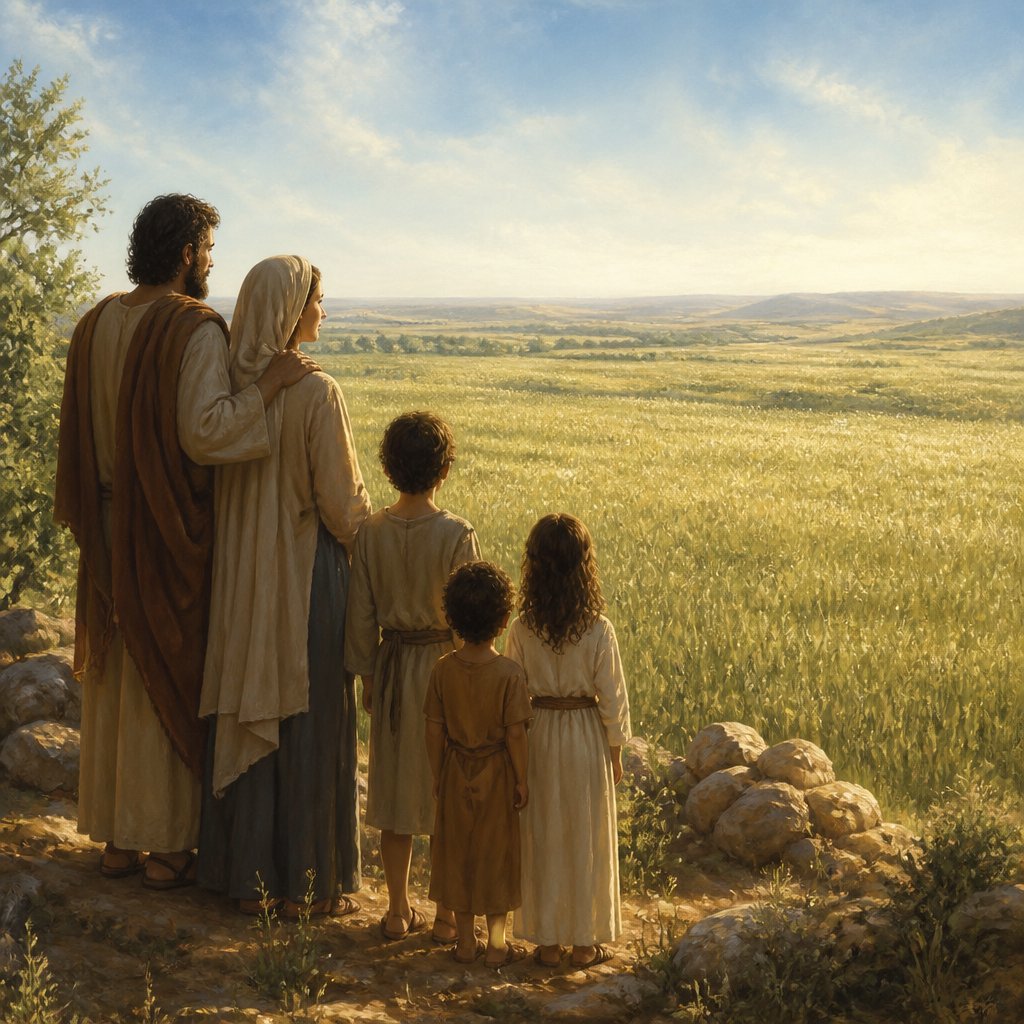
Job 5:25 from the King James Version of the Bible says, "Thou shalt know also that thy seed shall be great, and thine offspring as the grass of the earth." This verse is found in the book of Job, which is a profound and thought-provoking book in the Old Testament that addresses the age-old question of why the righteous suffer. Job is a man who experiences incredible suffering and loss, and this verse is part of a speech given by one of his friends, Eliphaz, as he attempts to provide comfort and understanding to Job.
The verse speaks to the promise of abundance and prosperity for Job's future generations. It is a message of hope and assurance that, in the midst of his suffering, Job can take comfort in the knowledge that his descendants will be numerous and prosperous, much like the grass of the earth. The symbolism of grass in this verse represents fertility, growth, and abundance.
The verse may also be seen as a reflection of the biblical theme of the faithfulness of God to His people. Throughout the Bible, there are countless promises of God's faithfulness to His people and His desire to bless them. This verse is a reminder that even in the midst of suffering and hardship, God has a plan for the future and is faithful to fulfill His promises.
The context of this verse is important to understanding its meaning and significance. Job, throughout the book, is grappling with the issue of why he is suffering despite being a righteous and upright man. His friends, including Eliphaz, attempt to provide explanations and comfort, often attributing Job's suffering to some sin or transgression that he must have committed. In this specific speech, Eliphaz is trying to encourage Job by speaking of the blessings that will come to him and his descendants in the future.
The theme of future generations and the blessings they will receive is prevalent throughout the Bible. In many instances, God promises to bless the descendants of those who are faithful to Him. This verse can be seen as a reflection of this theme, as well as a demonstration of God's faithfulness and provision even in the midst of suffering.
Furthermore, the imagery of the grass of the earth in this verse is significant. Grass is a common and abundant plant, representative of fertility, growth, and life. In comparing Job's descendants to the grass of the earth, the verse conveys the idea of plentiful and flourishing offspring. This imagery provides a sense of hope and promise for the future, despite the current suffering and hardship Job is experiencing.
Overall, Job 5:25 from the King James Version of the Bible offers a message of hope and assurance in the midst of suffering. It speaks to the themes of God's faithfulness, His promises to bless future generations, and the abundance of His provision. The symbolism of the grass of the earth further emphasizes the promise of fertility, growth, and prosperity for Job's descendants. In the context of the book of Job, this verse serves as a source of comfort and encouragement for Job as he grapples with his suffering and seeks understanding.
Get our apps


Artwork for Job 5:25

Job 5:25 - "Thou shalt know also that thy seed shall be great, and thine offspring as the grass of the earth."
"Thou shalt know also that thy seed shall be great, and thine offspring as the grass of the earth." - Job 5:25

Job 25:5 - "Behold even to the moon, and it shineth not; yea, the stars are not pure in his sight."
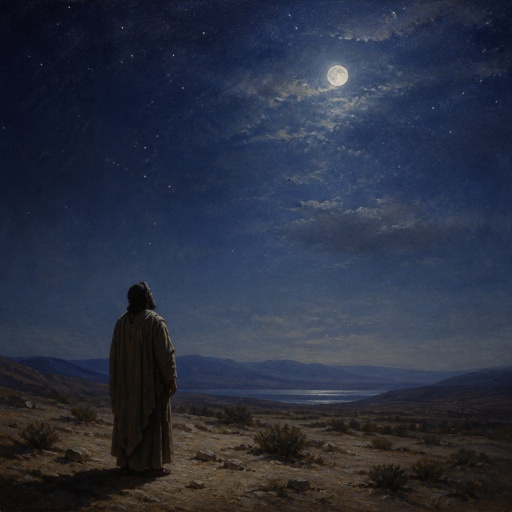
"Behold even to the moon, and it shineth not; yea, the stars are not pure in his sight." - Job 25:5

Job 39:13-25

Job 25:1 - "Then answered Bildad the Shuhite, and said,"

Job 28:25 - "To make the weight for the winds; and he weigheth the waters by measure."

Job 21:25 - "And another dieth in the bitterness of his soul, and never eateth with pleasure."

Job 30:25 - "Did not I weep for him that was in trouble? was not my soul grieved for the poor?"

Job 36:25 - "Every man may see it; man may behold it afar off."

Job 6:25 - "How forcible are right words! but what doth your arguing reprove?"

job 42:5

Job 25:2 - "Dominion and fear are with him, he maketh peace in his high places."

Job 25:6 - "How much less man, that is a worm? and the son of man, which is a worm?"

Job 38:25 - "Who hath divided a watercourse for the overflowing of waters, or a way for the lightning of thunder;"
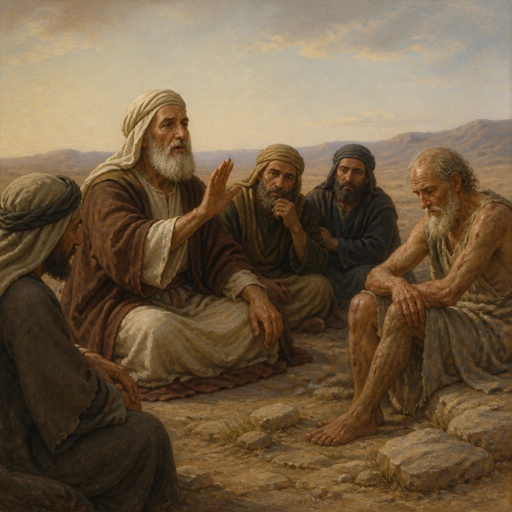
"Then answered Bildad the Shuhite, and said," - Job 25:1

Job 25:3 - "Is there any number of his armies? and upon whom doth not his light arise?"

Job 34:25 - "Therefore he knoweth their works, and he overturneth them in the night, so that they are destroyed."

Job 9:25 - "Now my days are swifter than a post: they flee away, they see no good."

Job 22:25 - "Yea, the Almighty shall be thy defence, and thou shalt have plenty of silver."

Job 15:25 - "For he stretcheth out his hand against God, and strengtheneth himself against the Almighty."

Job 25:4 - "How then can man be justified with God? or how can he be clean that is born of a woman?"

Job 34:5 - "For Job hath said, I am righteous: and God hath taken away my judgment."

Genesis 25:5

Job 13:25 - "Wilt thou break a leaf driven to and fro? and wilt thou pursue the dry stubble?"

Job 41:25 - "When he raiseth up himself, the mighty are afraid: by reason of breakings they purify themselves."

Job 39:19-25 – "Do you give the horse its strength or clothe its neck with a flowing mane?"

Job 24:25 - "And if it be not so now, who will make me a liar, and make my speech nothing worth?"

Job 12:25 - "They grope in the dark without light, and he maketh them to stagger like a drunken man."

Job 1:5 no words