What does Job 7:21 mean?
“And why dost thou not pardon my transgression, and take away mine iniquity? for now shall I sleep in the dust; and thou shalt seek me in the morning, but I shall not be.” — Job 7:21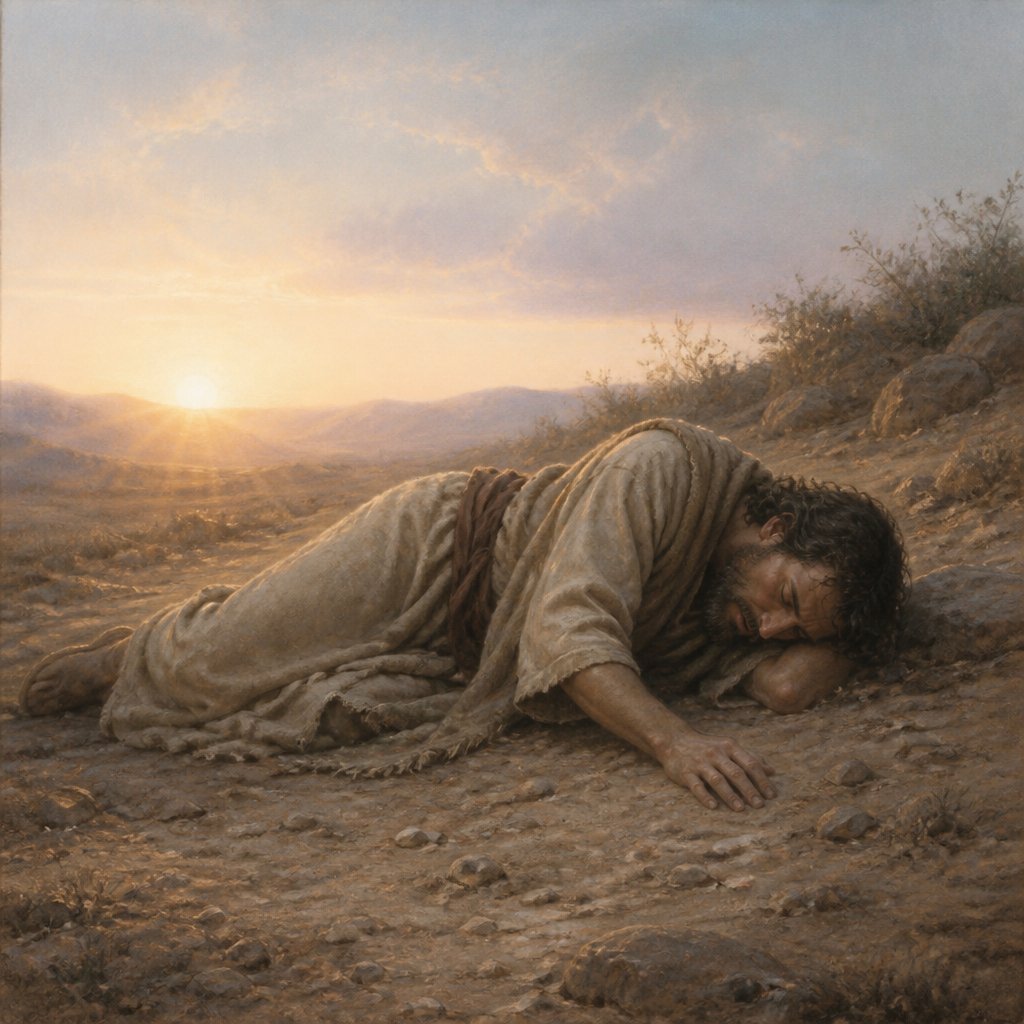
Job 7:21 (KJV) says, "And why dost thou not pardon my transgression, and take away my iniquity? for now shall I sleep in the dust; and thou shalt seek me in the morning, but I shall not be."
This verse, spoken by Job, reflects the deep despair and anguish he feels as he wrestles with the suffering and affliction he is facing. Job, a righteous man, has been thrust into a series of trials that have cost him his wealth, his health, and the lives of his children. In this verse, Job is crying out to God, questioning why he is not being pardoned for his transgressions and why his iniquity has not been taken away.
One of the central themes of this verse is the struggle with suffering and the search for meaning in the face of deep adversity. Job's words reflect the human desire to understand why suffering exists and to seek relief from it. Job's plea to God to take away his iniquity and pardon his transgression also underscores the human longing for forgiveness and redemption, even in the midst of great hardship.
The context of this verse is important to understand its significance. Job, a man of great faith and righteousness, finds himself in a place of deep despair and anguish. He has lost everything and is now suffering from painful boils all over his body. Despite his suffering, Job remains faithful to God, but he is grappling with the weight of his afflictions and the seeming absence of divine relief.
The symbolism in this verse is multifaceted. In asking God to pardon his transgression and take away his iniquity, Job is expressing a desire for spiritual cleansing and restoration. The mention of sleeping in the dust symbolizes the inevitability of death and the transient nature of human life. Job is acknowledging his mortality and the fleeting nature of human existence.
Furthermore, the imagery of God seeking Job in the morning, only to find that he is no longer there, points to the profound reality of life and death. Job recognizes that his time on earth is limited and that he will eventually meet his end. This symbolism serves as a reminder of the fragility of life and the importance of seeking reconciliation and forgiveness while one still has the opportunity.
Job's words in this verse also raise questions about the nature of divine justice and the human experience of suffering. Job is grappling with the apparent injustice of his afflictions and is seeking answers from God. His plea for pardon and relief reflects a fundamental aspect of the human condition, as people often struggle to make sense of their suffering and to find solace in the midst of pain.
Ultimately, Job's words in this verse capture the raw emotion and existential crisis that he is facing. His plea for pardon and his acknowledgment of his mortality and suffering reveal the depth of his anguish and the intensity of his search for meaning and relief. This verse offers a poignant reflection on the human experience of suffering, the quest for forgiveness, and the transient nature of life.
Get our apps


Artwork for Job 7:21

Job 7:21 - "And why dost thou not pardon my transgression, and take away mine iniquity? for now shall I sleep in the dust; and thou shalt seek me in the morning, but I shall not be."
"And why dost thou not pardon my transgression, and take away mine iniquity? for now shall I sleep in the dust; and thou shalt seek me in the morning, but I shall not be." - Job 7:21

Job 21:7 - "Wherefore do the wicked live, become old, yea, are mighty in power?"
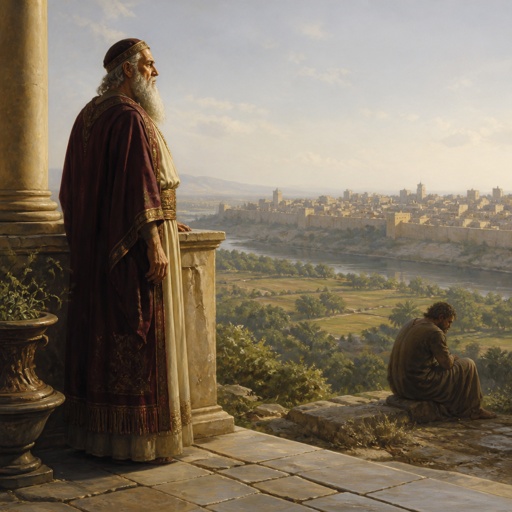
"Wherefore do the wicked live, become old, yea, are mighty in power?" - Job 21:7

Job 21:1 - "But Job answered and said,"

"But Job answered and said," - Job 21:1

Job 1:21

Job 1:21

Job 3:20-21 - "Job 3:20-21: Why is light given to those in misery, and life to the bitter of soul, to those who long for death that does not come, who search for it more than for hidden treasure?"

Job 21:21 - "For what pleasure hath he in his house after him, when the number of his months is cut off in the midst?"

Job 34:7 - "What man is like Job, who drinketh up scorning like water?"

Job 21:12 - "They take the timbrel and harp, and rejoice at the sound of the organ."

Job 21:8 - "Their seed is established in their sight with them, and their offspring before their eyes."

Job 21:2 - "Hear diligently my speech, and let this be your consolations."

Job 1:7

Job 1:7

Job 1:7

Job 21:13 - "They spend their days in wealth, and in a moment go down to the grave."

Job 21:18 - "They are as stubble before the wind, and as chaff that the storm carrieth away."

Job 18:21 - "Surely such are the dwellings of the wicked, and this is the place of him that knoweth not God."

Job 21:24 - "His breasts are full of milk, and his bones are moistened with marrow."

Job 12:21 - "He poureth contempt upon princes, and weakeneth the strength of the mighty."

Job 21:11 - "They send forth their little ones like a flock, and their children dance."

Job 21:10 - "Their bull gendereth, and faileth not; their cow calveth, and casteth not her calf."

Job 21:16 - "Lo, their good is not in their hand: the counsel of the wicked is far from me."

Job 40:21 - "He lieth under the shady trees, in the covert of the reed, and fens."

Job 21:25 - "And another dieth in the bitterness of his soul, and never eateth with pleasure."

Job 21:32 - "Yet shall he be brought to the grave, and shall remain in the tomb."

Job 24:21 - "He evil entreateth the barren that beareth not: and doeth not good to the widow."

Job 3:21 - "Which long for death, but it cometh not; and dig for it more than for hid treasures;"