What does Job 8:19 mean?
“Behold, this is the joy of his way, and out of the earth shall others grow.” — Job 8:19
Job 8:19 (KJV) states, "Behold, this is the joy of his way, and out of the earth shall others grow." This verse, found in the book of Job, is part of a larger discourse between Job and his friends. In this particular passage, Bildad the Shuhite is responding to Job, offering his own perspective on the way of the wicked and the fate that awaits them.
To fully understand the meaning and commentary of Job 8:19, it is important to consider the surrounding context. In the book of Job, the central figure is a man named Job who experiences immense suffering. Despite being a righteous man, Job loses his wealth, his children, and his health, all while his friends attempt to explain his suffering as the result of sin. Bildad, one of Job's friends, claims that the fate of the wicked is destruction and that they will ultimately fail to produce anything of worth. In his argument, Bildad is asserting that the prosperity of the wicked is short-lived and will ultimately result in a barren and unfruitful existence.
The opening phrase, "Behold, this is the joy of his way," suggests that the joy and prosperity enjoyed by the wicked are fleeting and ultimately empty. Bildad is making the case that the perceived success of the wicked is not true joy but a temporary pleasure that will not last. This sentiment is consistent with the broader biblical theme that righteousness and obedience to God lead to true and lasting joy, while wickedness and disobedience lead to emptiness and destruction.
The second part of the verse, "and out of the earth shall others grow," underscores the temporal nature of the wicked's prosperity. Bildad is expressing the idea that the possessions and achievements of the wicked will not endure, and they will not leave a lasting legacy. Instead, there will be others who come after them, seemingly implying that their efforts will be overshadowed or surpassed by those who come after them.
In terms of symbolism, the earth can be seen as a symbol of life and growth. The idea of others growing out of the earth suggests that new life and new opportunities will arise, even after the wicked have passed away or fallen from their position of prosperity. This is a powerful reminder of the cyclical nature of life and the resilience of the natural world, which continues to thrive despite adversity.
Furthermore, the verse can also be interpreted as a call to righteousness and a warning against the pursuit of wealth and power at the expense of moral integrity. The fleeting nature of the wicked's joy serves as a cautionary tale, reminding readers of the importance of living a life guided by principles of justice and compassion.
Overall, Job 8:19 offers a profound reflection on the transience of worldly success and the enduring value of righteousness. It is a reminder that true joy and fulfillment come from living a life of integrity and seeking God's will, rather than pursuing temporary pleasures or material gain. In the wider context of the book of Job, the verse contributes to the ongoing exploration of suffering, faith, and the nature of God's justice, challenging readers to reflect on the complexities of human experience and the ultimate meaning of righteousness.
Get our apps


Artwork for Job 8:19

Job 8:19 - "Behold, this is the joy of his way, and out of the earth shall others grow."

"Behold, this is the joy of his way, and out of the earth shall others grow." - Job 8:19

Job 19:8 - "He hath fenced up my way that I cannot pass, and he hath set darkness in my paths."

Job 19:1 - "Then Job answered and said,"

"Then Job answered and said," - Job 19:1

Job 18-19

Job 19:19 - "All my inward friends abhorred me: and they whom I loved are turned against me."
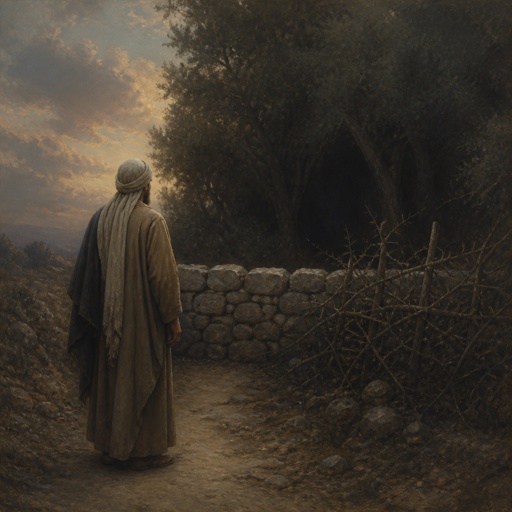
"He hath fenced up my way that I cannot pass, and he hath set darkness in my paths." - Job 19:8

Job 1:8

Job 3:19 - "The small and great are there; and the servant is free from his master."

Job 12:19 - "He leadeth princes away spoiled, and overthroweth the mighty."

Job 22:19 - "The righteous see it, and are glad: and the innocent laugh them to scorn."

Job 19:24 - "That they were graven with an iron pen and lead in the rock for ever!"

Job 8:8 - "For enquire, I pray thee, of the former age, and prepare thyself to the search of their fathers:"

Job 6:19 - "The troops of Tema looked, the companies of Sheba waited for them."

Job 8:1 - "Then answered Bildad the Shuhite, and said,"

Job 19:22 - "Why do ye persecute me as God, and are not satisfied with my flesh?"

Job 28:19 - "The topaz of Ethiopia shall not equal it, neither shall it be valued with pure gold."

Job 36:19 - "Will he esteem thy riches? no, not gold, nor all the forces of strength."

Job 19:4 - "And be it indeed that I have erred, mine error remaineth with myself."

Job 37:8 - "Then the beasts go into dens, and remain in their places."

Job 36:8 - "And if they be bound in fetters, and be holden in cords of affliction;"

Job 19:14 - "My kinsfolk have failed, and my familiar friends have forgotten me."

Job 19:2 - "How long will ye vex my soul, and break me in pieces with words?"

Job 41:19 - "Out of his mouth go burning lamps, and sparks of fire leap out."

Job 15:19 - "Unto whom alone the earth was given, and no stranger passed among them."

Job 38:19 - "Where is the way where light dwelleth? and as for darkness, where is the place thereof,"

Job 16:19 - "Also now, behold, my witness is in heaven, and my record is on high."

Job 19:5 - "If indeed ye will magnify yourselves against me, and plead against me my reproach:"

Job 31:19 - "If I have seen any perish for want of clothing, or any poor without covering;"