What does Joel 1:7 mean?
“He hath laid my vine waste, and barked my fig tree: he hath made it clean bare, and cast it away; the branches thereof are made white.” — Joel 1:7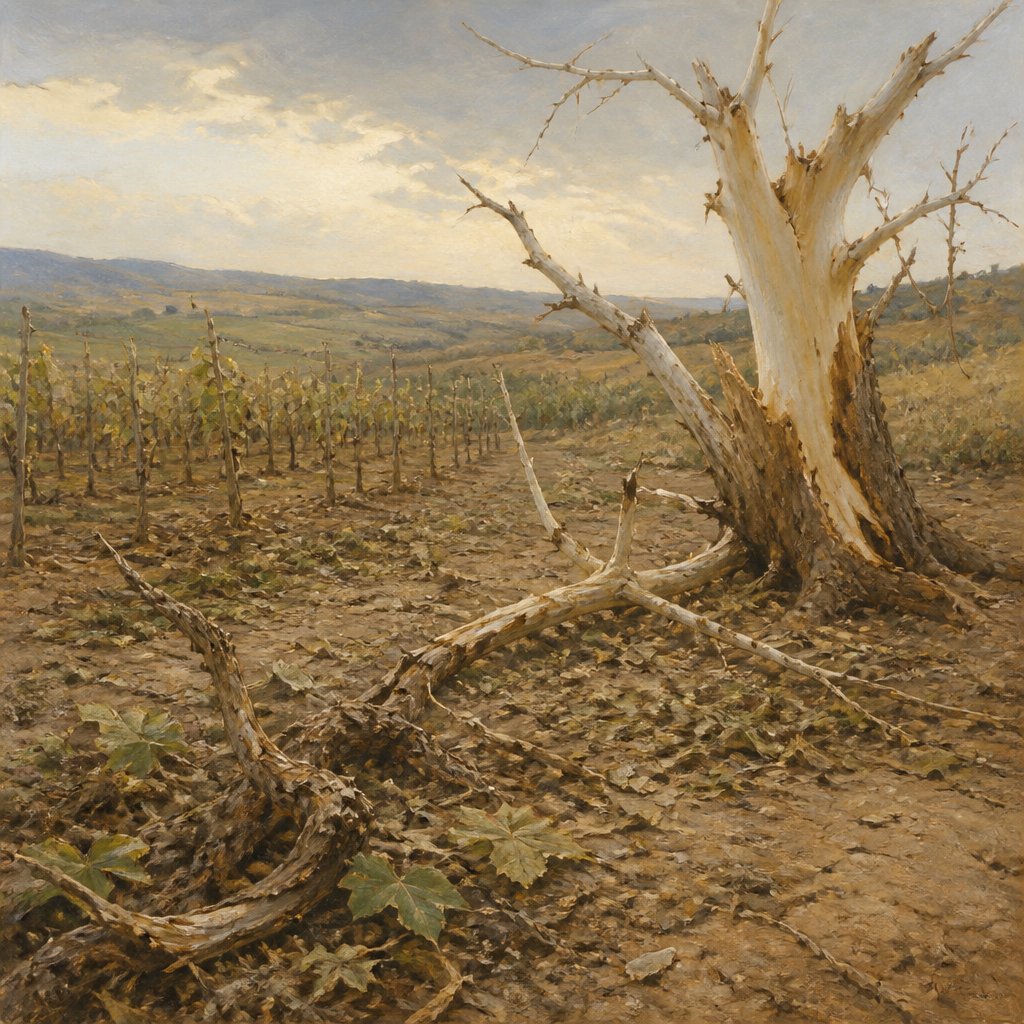
Joel 1:7 (KJV) says, "He hath laid my vine waste, and barked my fig tree: he hath made it clean bare, and cast it away; the branches thereof are made white."
The book of Joel is one of the minor prophets in the Old Testament, and is attributed to the prophet Joel, the son of Pethuel. The book is set in a time of great distress for the kingdom of Judah, as it was experiencing a severe locust plague. The locusts had devastated the land, consuming the vineyards, fig trees, and other crops, and leaving the people in a state of despair.
In Joel 1:7, the prophet laments the destruction caused by the locusts, using vivid imagery to depict the devastation. The laying waste of the vine and the barking of the fig tree symbolize the complete destruction of the agricultural resources of the land. The barrenness and whiteness of the branches further emphasize the desolation brought upon the once fruitful and abundant fields.
The verse can be interpreted on a literal level, as a description of the physical destruction caused by the locust plague. However, it also carries a deeper symbolic meaning that resonates with timeless themes of loss, despair, and the consequences of sin.
On a thematic level, Joel 1:7 addresses the theme of divine judgment and the consequences of disobedience. The locust plague is seen as a manifestation of God's judgment against the people of Judah for their disobedience and sin. The devastation caused by the locusts serves as a warning to the people to repent and turn back to God, seeking His mercy and forgiveness.
The imagery in the verse also speaks to the theme of despair and hopelessness. The once flourishing vine and fig tree have been reduced to barrenness and emptiness, reflecting the desolate state of the land and the people's sense of loss and hopelessness. This theme of despair is a reminder of the consequences of turning away from God and the need for spiritual renewal and restoration.
In terms of context, Joel 1:7 should be understood within the broader context of the book of Joel and the historical context of the time. The book of Joel is a call to repentance and a proclamation of God's impending judgment, urging the people to turn back to God and seek His mercy. The locust plague serves as a wake-up call to the people, challenging them to reevaluate their relationship with God and to seek reconciliation with Him.
The symbolism in Joel 1:7 also resonates with the broader biblical theme of restoration and renewal. Despite the desolation described in the verse, there is hope for renewal and restoration. Throughout the book of Joel, there are promises of God's restoration and the coming of a new era of blessing and abundance for those who turn to Him.
In conclusion, Joel 1:7 is a poignant portrayal of the devastation caused by the locust plague, with rich symbolism that speaks to timeless themes of judgment, despair, and the need for spiritual renewal. The verse serves as a reminder of the consequences of turning away from God, but also holds out the hope of renewal and restoration for those who seek God's mercy and forgiveness.
Get our apps


Artwork for Joel 1:7

Joel 1:7 - "He hath laid my vine waste, and barked my fig tree: he hath made it clean bare, and cast it away; the branches thereof are made white."
"He hath laid my vine waste, and barked my fig tree: he hath made it clean bare, and cast it away; the branches thereof are made white." - Joel 1:7

1 Chronicles 15:7 - "Of the sons of Gershom; Joel the chief, and his brethren an hundred and thirty:"

Joel 1:1 - "The word of the LORD that came to Joel the son of Pethuel."

1 Chronicles 7:3 - "And the sons of Uzzi; Izrahiah: and the sons of Izrahiah; Michael, and Obadiah, and Joel, Ishiah, five: all of them chief men."
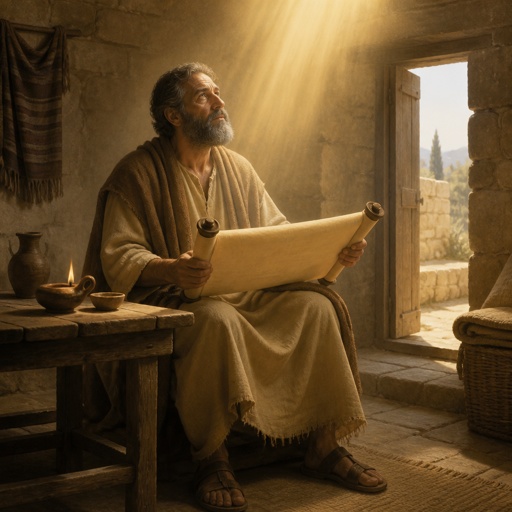
"The word of the LORD that came to Joel the son of Pethuel." - Joel 1:1

"Of the sons of Gershom; Joel the chief, and his brethren an hundred and thirty:" - 1 Chronicles 15:7

Joel 1 natural disaster

1 Chronicles 11:38 - "Joel the brother of Nathan, Mibhar the son of Haggeri,"
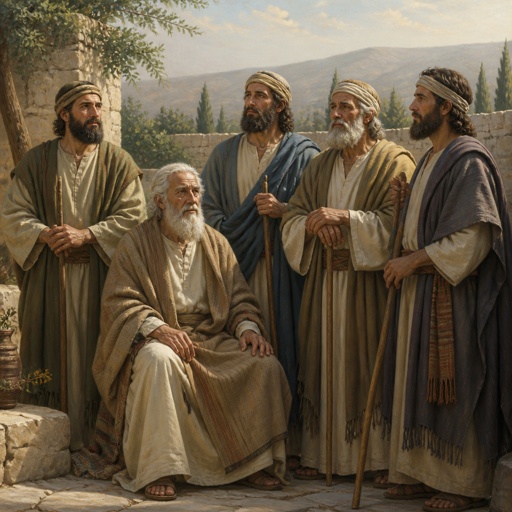
"And the sons of Uzzi; Izrahiah: and the sons of Izrahiah; Michael, and Obadiah, and Joel, Ishiah, five: all of them chief men." - 1 Chronicles 7:3

Joel 1:2-4, 13-20

1 Chronicles 23:8 - "The sons of Laadan; the chief was Jehiel, and Zetham, and Joel, three."

Joel 1:8 - "¶ Lament like a virgin girded with sackcloth for the husband of her youth."

1 Chronicles 5:12 - "Joel the chief, and Shapham the next, and Jaanai, and Shaphat in Bashan."

Joel 3:7 - "Behold, I will raise them out of the place whither ye have sold them, and will return your recompence upon your own head:"

1 Chronicles 4:35 - "And Joel, and Jehu the son of Josibiah, the son of Seraiah, the son of Asiel,"

1 Chronicles 6:36 - "The son of Elkanah, the son of Joel, the son of Azariah, the son of Zephaniah,"

Joel 1:15 - "Alas for the day! for the day of the LORD is at hand, and as a destruction from the Almighty shall it come."

Joel 2:7 - "They shall run like mighty men; they shall climb the wall like men of war; and they shall march every one on his ways, and they shall not break their ranks:"
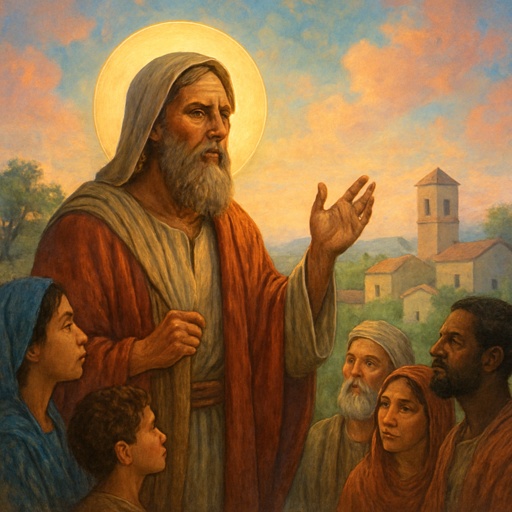
Prophet Joel in a small village surrounded by a small diverse group of listeners. Joel has an aura about his head. The background sky and cloud are seen in soft pastels pinks, yellows, and blues.

Prophet Joel in a small village surrounded by a small diverse group of listeners. Joel has an aura about his head. The background sky and cloud are seen in soft pastels pinks, yellows, and blues.

1 Chronicles 6:33 - "And these are they that waited with their children. Of the sons of the Kohathites: Heman a singer, the son of Joel, the son of Shemuel,"

Joel 1:10 - "The field is wasted, the land mourneth; for the corn is wasted: the new wine is dried up, the oil languisheth."

Joel 1:3 - "Tell ye your children of it, and let your children tell their children, and their children another generation."

1 Chronicles 5:4 - "The sons of Joel; Shemaiah his son, Gog his son, Shimei his son,"

Joel 1:17 - "The seed is rotten under their clods, the garners are laid desolate, the barns are broken down; for the corn is withered."

Joel 3:1 - "For, behold, in those days, and in that time, when I shall bring again the captivity of Judah and Jerusalem,"

1 Chronicles 27:20 - "Of the children of Ephraim, Hoshea the son of Azaziah: of the half tribe of Manasseh, Joel the son of Pedaiah:"

Joel 1:16 - "Is not the meat cut off before our eyes, yea, joy and gladness from the house of our God?"

1 Chronicles 15:11 - "And David called for Zadok and Abiathar the priests, and for the Levites, for Uriel, Asaiah, and Joel, Shemaiah, and Eliel, and Amminadab,"