What does Joel 1:9 mean?
“The meat offering and the drink offering is cut off from the house of the LORD; the priests, the LORD’s ministers, mourn.” — Joel 1:9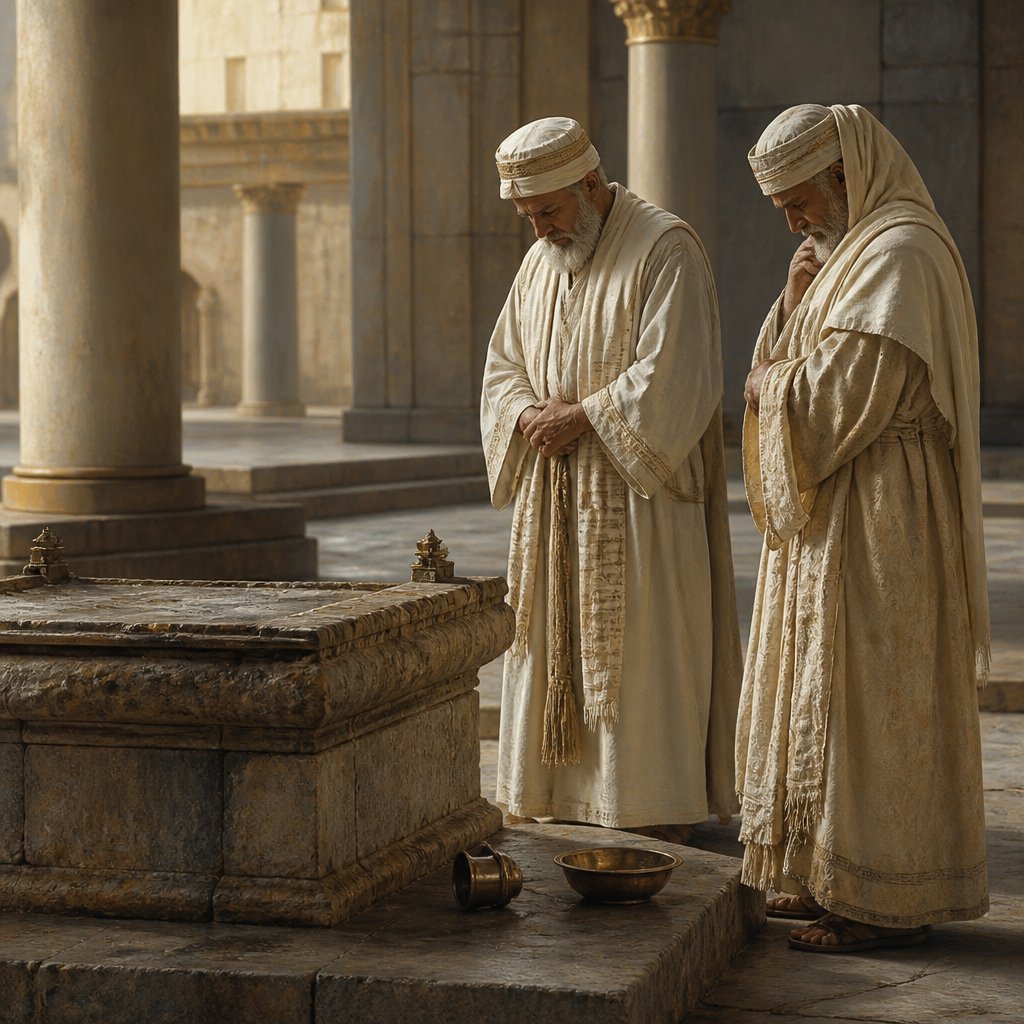
The verse Joel 1:9 in the King James Version of the Bible reads, "The meat offering and the drink offering is cut off from the house of the LORD; the priests, the LORD's ministers, mourn." This verse is part of the larger book of Joel, which is one of the twelve Minor Prophets in the Hebrew Bible. The book is attributed to the prophet Joel and is believed to have been written in the 9th century BC. The overall theme of the book of Joel is judgment and restoration, with a particular emphasis on the Day of the Lord.
In Joel 1:9, the prophet laments the loss of essential elements of worship in the temple. The "meat offering and the drink offering" were crucial components of the Israelite sacrificial system. The meat offering consisted of a portion of flour and oil, while the drink offering was made of wine. These offerings were prescribed by the Mosaic Law as a way for the people of Israel to express their gratitude and devotion to God. However, due to the devastation caused by a locust plague (as described in the preceding verses), there was a shortage of food and drink, which meant that the people could no longer make their customary offerings in the temple.
The significance of the loss of the meat and drink offerings goes beyond the physical scarcity of these items. In the context of the ancient Israelite religion, the offerings were symbolic of the people's relationship with God. The act of offering these items was an acknowledgment of God as the provider of all things. By cutting off these offerings, the people were unable to express their dependence on God and their commitment to their covenant relationship with Him. The absence of the offerings also disrupted the established order of worship and brought mourning upon the priests, who could no longer fulfill their duties.
The verse can be interpreted metaphorically as well. The loss of the meat and drink offerings symbolizes the spiritual desolation and disconnect between the people of Israel and God. The disruption in the sacrificial system reflects a deeper problem of unfaithfulness and disobedience among the people. The mourning of the priests and ministers of the Lord signifies the sorrow and anguish over the spiritual state of the nation. The prophet Joel uses this imagery to highlight the severity of the people's plight and to call them to repentance and a return to God.
The broader message of Joel 1:9 is applicable to contemporary readers as well. The verse serves as a reminder of the importance of genuine worship and dedication to God. It prompts reflection on the state of one's own spiritual practices and the sincerity of one's relationship with God. Furthermore, it underscores the consequences of straying from God and the necessity of returning to Him with a contrite heart.
In conclusion, Joel 1:9 conveys a poignant message through its depiction of the loss of the meat and drink offerings in the temple. It serves as a powerful symbol of the spiritual and moral condition of the people of Israel, prompting them to recognize their failings and turn back to God. The verse also carries timeless relevance, challenging readers to assess their own devotion and commitment to God. Overall, Joel 1:9 is a call to sincerity in worship and a call to repentance, emphasizing the enduring importance of the covenant relationship between God and His people.
Get our apps


Artwork for Joel 1:9

Joel 1:9 - "The meat offering and the drink offering is cut off from the house of the LORD; the priests, the LORD'S ministers, mourn."
"The meat offering and the drink offering is cut off from the house of the LORD; the priests, the LORD'S ministers, mourn." - Joel 1:9

Joel 1:1 - "The word of the LORD that came to Joel the son of Pethuel."
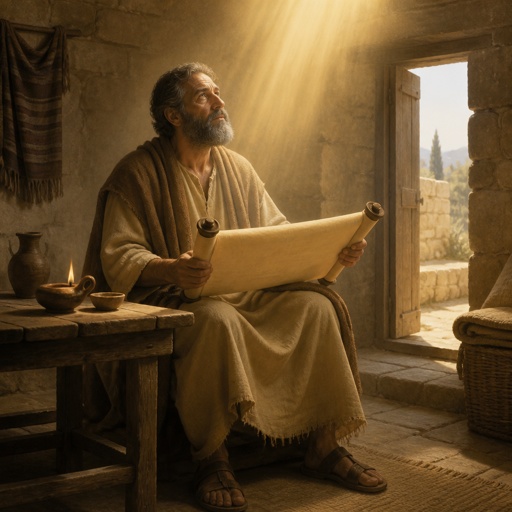
"The word of the LORD that came to Joel the son of Pethuel." - Joel 1:1

Nehemiah 11:9 - "And Joel the son of Zichri was their overseer: and Judah the son of Senuah was second over the city."

Joel 1 natural disaster

1 Chronicles 11:38 - "Joel the brother of Nathan, Mibhar the son of Haggeri,"

Joel 1:2-4, 13-20

Joel 2:9 - "They shall run to and fro in the city; they shall run upon the wall, they shall climb up upon the houses; they shall enter in at the windows like a thief."

Joel 1:8 - "¶ Lament like a virgin girded with sackcloth for the husband of her youth."

1 Chronicles 23:8 - "The sons of Laadan; the chief was Jehiel, and Zetham, and Joel, three."

1 Chronicles 5:12 - "Joel the chief, and Shapham the next, and Jaanai, and Shaphat in Bashan."

1 Chronicles 4:35 - "And Joel, and Jehu the son of Josibiah, the son of Seraiah, the son of Asiel,"

1 Chronicles 6:36 - "The son of Elkanah, the son of Joel, the son of Azariah, the son of Zephaniah,"

1 Chronicles 15:7 - "Of the sons of Gershom; Joel the chief, and his brethren an hundred and thirty:"

Joel 3:9 - "¶ Proclaim ye this among the Gentiles; Prepare war, wake up the mighty men, let all the men of war draw near; let them come up:"

Joel 1:15 - "Alas for the day! for the day of the LORD is at hand, and as a destruction from the Almighty shall it come."
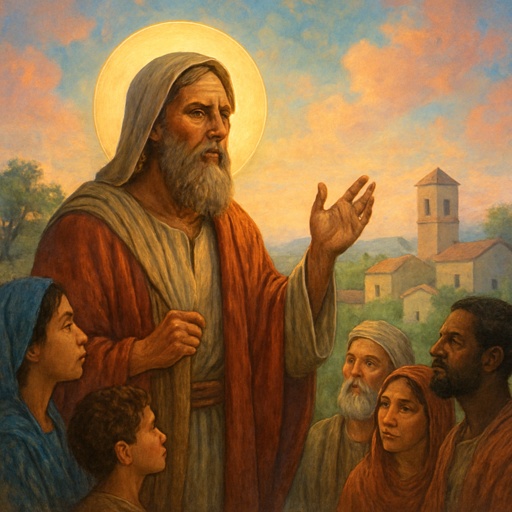
Prophet Joel in a small village surrounded by a small diverse group of listeners. Joel has an aura about his head. The background sky and cloud are seen in soft pastels pinks, yellows, and blues.

Prophet Joel in a small village surrounded by a small diverse group of listeners. Joel has an aura about his head. The background sky and cloud are seen in soft pastels pinks, yellows, and blues.

1 Chronicles 6:33 - "And these are they that waited with their children. Of the sons of the Kohathites: Heman a singer, the son of Joel, the son of Shemuel,"
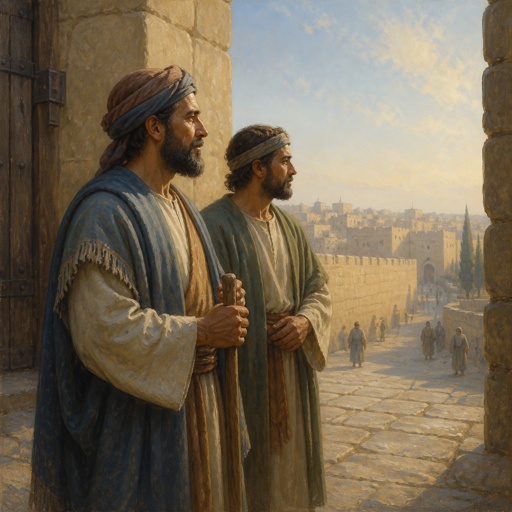
"And Joel the son of Zichri was their overseer: and Judah the son of Senuah was second over the city." - Nehemiah 11:9

Joel 1:10 - "The field is wasted, the land mourneth; for the corn is wasted: the new wine is dried up, the oil languisheth."

Joel 1:3 - "Tell ye your children of it, and let your children tell their children, and their children another generation."

1 Chronicles 5:4 - "The sons of Joel; Shemaiah his son, Gog his son, Shimei his son,"

Joel 1:17 - "The seed is rotten under their clods, the garners are laid desolate, the barns are broken down; for the corn is withered."

Joel 3:1 - "For, behold, in those days, and in that time, when I shall bring again the captivity of Judah and Jerusalem,"

1 Chronicles 27:20 - "Of the children of Ephraim, Hoshea the son of Azaziah: of the half tribe of Manasseh, Joel the son of Pedaiah:"

Joel 1:16 - "Is not the meat cut off before our eyes, yea, joy and gladness from the house of our God?"

1 Chronicles 15:11 - "And David called for Zadok and Abiathar the priests, and for the Levites, for Uriel, Asaiah, and Joel, Shemaiah, and Eliel, and Amminadab,"

1 Chronicles 26:22 - "The sons of Jehieli; Zetham, and Joel his brother, which were over the treasures of the house of the LORD."