What does Joel 2:1 mean?
“Blow ye the trumpet in Zion, and sound an alarm in my holy mountain: let all the inhabitants of the land tremble: for the day of the LORD cometh, for it is nigh at hand;” — Joel 2:1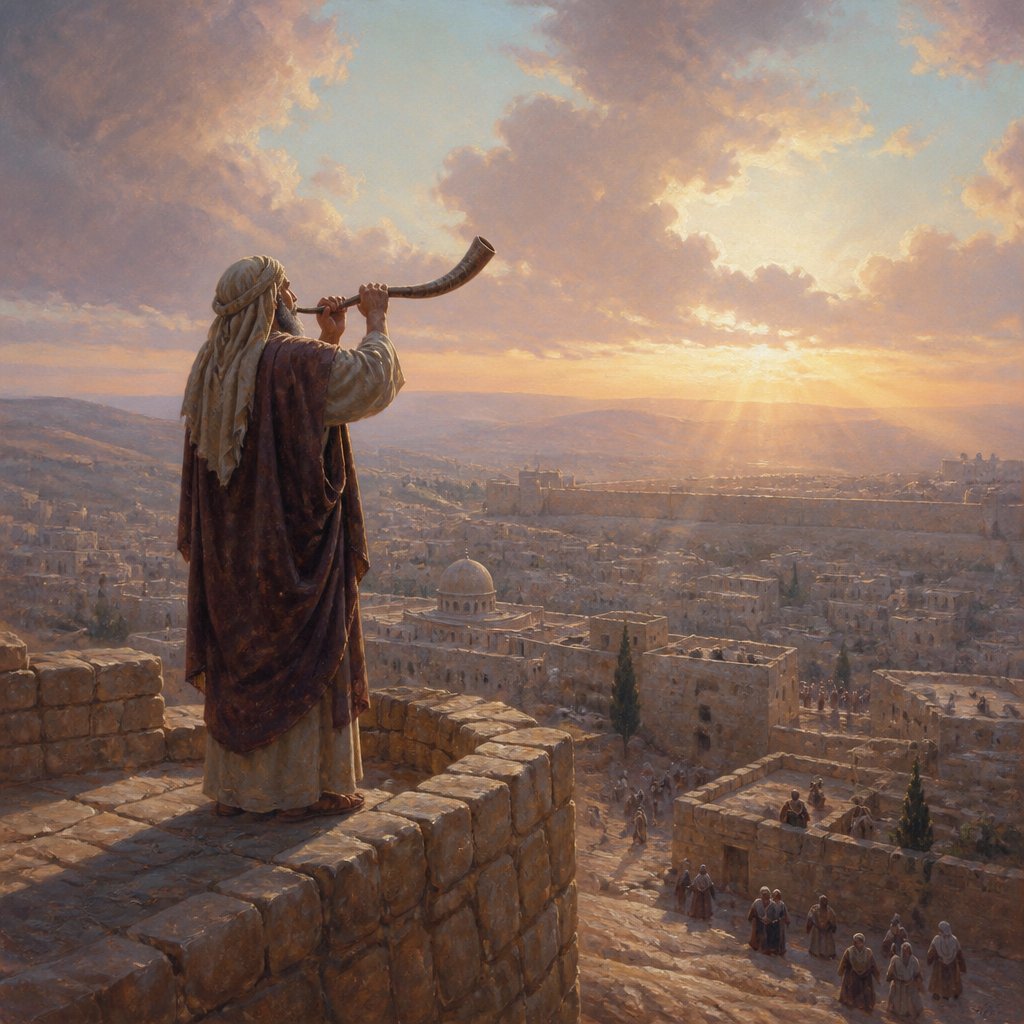
Joel 2:1 (KJV) reads, "Blow ye the trumpet in Zion, and sound an alarm in my holy mountain: let all the inhabitants of the land tremble: for the day of the Lord cometh, for it is nigh at hand."
The book of Joel is one of the twelve minor prophets in the Old Testament and is generally attributed to the prophet Joel, although there is little known about his life. The book is concerned with the impending judgment of God on the nation of Judah. Joel 2 begins with a call to repentance and a warning of the impending judgment.
In this verse, the trumpet is to be blown in Zion, the city that symbolizes the presence of God and his chosen people. The blowing of the trumpet was an ancient means of communicating important messages to the people, and it also served as an alarm to warn of approaching danger. Here, the blowing of the trumpet is a call to attention, a warning to the people that they need to prepare themselves for what is coming.
The "day of the Lord" is a common theme in the Old Testament, referring to a time of divine judgment and intervention. It is a time when God reveals his power and justice, often through events that are frightening and catastrophic. The day of the Lord is always associated with God's sovereignty and righteousness, and it serves as a reminder that humanity is ultimately accountable to a higher power.
The phrase "for it is nigh at hand" emphasizes the imminence and urgency of the coming judgment. The people are being told that they cannot afford to ignore the warning; they must take immediate action to change their ways and turn back to God. The use of the word "tremble" conveys the fear and awe that the people should feel in the face of the impending judgment. It is a call for humility and a recognition of their own sinfulness and need for repentance.
The themes of repentance, judgment, and the day of the Lord are central to the book of Joel. Throughout the book, there is an emphasis on the need for the people to turn back to God and seek his forgiveness. The impending judgment is intended to serve as a wake-up call, a catalyst for change and renewal. The book of Joel ultimately offers the hope of restoration and redemption for those who heed the warning and turn back to God.
The imagery of the trumpet and the alarm carries a symbolic significance that extends beyond the immediate context of the book of Joel. In the Bible, the blowing of the trumpet is often associated with God's voice and his communication with his people. It is a call to attention, a summons to gather or to take action. In the New Testament, the imagery of the trumpet is used to depict the second coming of Christ and the final judgment.
The idea of the day of the Lord has echoes in the New Testament as well, with references to the coming of Christ as a time of judgment and the establishment of God's kingdom. Just as in Joel, the New Testament also emphasizes the need for repentance and readiness for the coming of the Lord.
In conclusion, Joel 2:1 contains a powerful and urgent message that is relevant to all time periods. It is a call to attention, a warning of the impending judgment, and an invitation to repentance and renewal. The imagery of the trumpet and the day of the Lord convey the idea of God's sovereignty, justice, and the ultimate accountability of humanity. The verse serves as a reminder to all people to heed the call to repentance and be prepared for the day of the Lord.
Get our apps


Artwork for Joel 2:1

Joel 2:1 - "Blow ye the trumpet in Zion, and sound an alarm in my holy mountain: let all the inhabitants of the land tremble: for the day of the LORD cometh, for it is nigh at hand;"
"Blow ye the trumpet in Zion, and sound an alarm in my holy mountain: let all the inhabitants of the land tremble: for the day of the LORD cometh, for it is nigh at hand;" - Joel 2:1

Joel 1:2-4, 13-20

Joel 1:1 - "The word of the LORD that came to Joel the son of Pethuel."
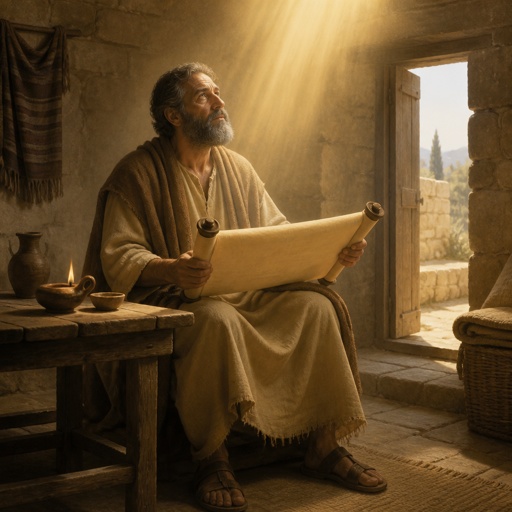
"The word of the LORD that came to Joel the son of Pethuel." - Joel 1:1

Joel 2:28

Joel 2:28

Joel 2

Joel 2:28

1 Samuel 8:2 - "Now the name of his firstborn was Joel; and the name of his second, Abiah: they were judges in Beer-sheba."

Joel 2:22

Joel 1:2 - "Hear this, ye old men, and give ear, all ye inhabitants of the land. Hath this been in your days, or even in the days of your fathers?"

Joel 2:28-29

Joel 2:28-29

Joel 2:28-29

Joel 2:16-20

Acts 2:16 - "But this is that which was spoken by the prophet Joel;"

Joel 1 natural disaster

Joel 2:18 - "¶ Then will the LORD be jealous for his land, and pity his people."

Joel 2:28 – "And afterward, I will pour out my Spirit on all people."

Joel 2:28 – "And afterward, I will pour out my Spirit on all people."

Joel 2:4 - "The appearance of them is as the appearance of horses; and as horsemen, so shall they run."

Joel 2:15 - "¶ Blow the trumpet in Zion, sanctify a fast, call a solemn assembly:"

Joel 2:28 – "And afterward, I will pour out my Spirit on all people."

1 Chronicles 11:38 - "Joel the brother of Nathan, Mibhar the son of Haggeri,"

Joel 2:21 - "¶ Fear not, O land; be glad and rejoice: for the LORD will do great things."

Joel 2:24 - "And the floors shall be full of wheat, and the fats shall overflow with wine and oil."

Joel 2:30 - "And I will shew wonders in the heavens and in the earth, blood, and fire, and pillars of smoke."

"But this is that which was spoken by the prophet Joel;" - Acts 2:16

Joel 1:8 - "¶ Lament like a virgin girded with sackcloth for the husband of her youth."